
Personal Info
Known For
Gender
Birthday
Place of Birth
Marcio De Luca
Known for

Os Imigrantes
In Europe, at the end of the 19th century, social policies sent thousands of immigrants out of their countries. A Spaniard, a Portuguese, and an Italian seek new opportunities in the new country, without imagining the difficulties along the way.

O Julgamento

Dona Xepa
A hardworking market vendor, Mrs. Xepa faces many sacrifices to raise her children alone. However, as they achieve social advancement, they begin to feel ashamed of their mother.

Feijão Maravilha
Romantic and dreamy, Eliana works at a five-star hotel and becomes involved with unrequited love, a bumbling gang, and a complex police story.
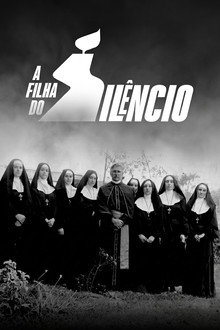
A Filha do Silêncio
Late 19th century, shortly before the Abolition of Slavery. On the Santa Júlia Farm, located in the municipality of Rio Verde, in the interior of São Paulo state, lives Colonel Agenor Dias de Souza with his wife Cândida and their two daughters, Leonor and Luíza, in a mysterious environment haunted by ghosts of the past. A tragedy hides a great mystery, because of which the only witness, Cândida, became paralyzed and mute. Always doubting his wife, Agenor doesn't believe that Luíza is, in fact, his daughter. Therefore, he maintains a morbid relationship with Cândida, without caring about increasing her suffering. The colonel's doubt will be clarified when the secret, contained in the diary hidden in the clock case, is revealed. In this whole plot, a third person is fundamental: Laura, who pretends to be Cândida's friend, but is not.

Sinhazinha Flô
In love since childhood, Flô and Arnaldo join forces in the fight for the abolition of slavery. They will have to face challenges and prejudices to be able to live their love.

Pecado de Amor
O Grupo

Uma Mulher do Outro Mundo

The Adventures of Mario Fofoca

Balzaquianas
Based on interviews with married women, aged 20 to 40, from different social classes, the film portrays with a certain irony the hardships and the petty side of marriage. An actress plays five different women who, living in banal situations, reproduce multiple facets of subordination to the role of a good wife.