Personal Info
Known For
Gender
Birthday
Place of Birth
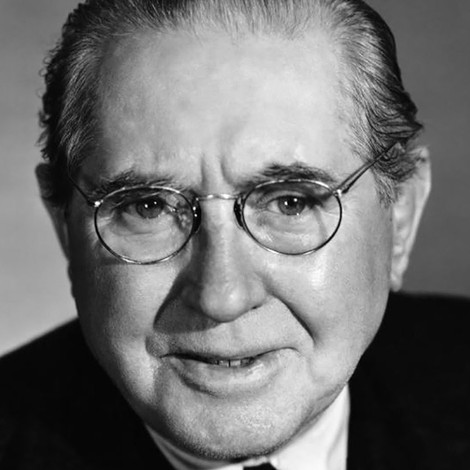
J.M. Kerrigan
Biography
Known for

Matinee Theater
Matinee Theater is an American anthology series that aired on NBC during the Golden Age of Television, from 1955 to 1958. The series, which ran daily in the afternoon, was frequently live. It was produced by Albert McCleery, Darrell Ross, George Cahan and Frank Price with executive producer George Lowther. McCleery had previously produced the live series Cameo Theatre which introduced to television the concept of theater-in-the-round, TV plays staged with minimal sets. Jim Buckley of the Pewter Plough Playhouse recalled: When Al McCleery got back to the States, he originated a most ambitious theatrical TV series for NBC called Matinee Theater: to televise five different stage plays per week live, airing around noon in order to promote color TV to the American housewife as she labored over her ironing. Al was the producer. He hired five directors and five art directors. Richard Bennett, one of our first early presidents of the Pewter Plough Corporation, was one of the directors and I was one of the art directors and, as soon as we were through televising one play, we had lunch and then met to plan next week’s show. That was over 50 years ago, and I’m trying to think; I believe the TV art director is his own set decorator —yes, of course! It had to be, since one of McCleery’s chief claims to favor with the producers was his elimination of the setting per se and simply decorating the scene with a minimum of props. It took a bit of ingenuity.

Studio One
An American radio–television anthology series, created in 1947 by Canadian director Fletcher Markle, who came to CBS from the CBC. Studio One, presented by Westinghouse, was one of the first of the anthology TV programs. The episodes were often abridged remakes of movies from years gone by and many future well-known television and movie actors appeared in the productions.

Gone with the Wind
The spoiled daughter of a Georgia plantation owner conducts a tumultuous romance with a cynical profiteer during the American Civil War and Reconstruction Era.

Shirley Temple's Storybook
Shirley Temple's Storybook is an American children's anthology series hosted and narrated by actress Shirley Temple. The series features adaptations of fairy tales like Mother Goose and other family-oriented stories performed by well-known actors, although one episode, an adaptation of The House of the Seven Gables, was meant for older youngsters. Temple's three children made their acting debuts in the last episode of the first season, "Mother Goose".
Lux Video Theatre
Lux Video Theatre is an American anthology series that was produced from 1950 until 1959. The series presented both comedy and drama in original teleplays, as well as abridged adaptations of films and plays.

Frontier
Frontier is an American Western anthology series that aired on NBC from September 1955, to September 1956. The series de-emphasizes gunplay and focuses on the hazards of the settlement of the American West. It was only the second anthology Western series in television history, having been preceded by Death Valley Days. Frontier aired premiered on September 25, 1955, and ran sporadically in its last five months. Walter Coy narrated the series and starred in occasional episodes, which are dramatizations based on actual events. The program was produced by Worthington Miner.

The Barrier
Gale, a store owner, lives in an Alaskan village with his grown ward, Necia, whom he had rescued years before from her murderer father, Captain Bennett. Now Bennett, disguised as Ben Stark, has arrived in the village seeking vengeance and his daughter.

20,000 Leagues Under the Sea
A ship sent to investigate a wave of mysterious sinkings encounters the advanced submarine, the Nautilus, commanded by Captain Nemo.

Letter to Loretta
Letter to Loretta is an American anthology drama series telecast on NBC from September 1953 to June 1961 for a total of 165 episodes. The filmed show was hosted by Loretta Young who also played the lead in various episodes. Letter to Loretta was sponsored by Procter & Gamble from 1953 through 1960. The final season's sponsor was Warner-Lambert's Listerine.

Motor Madness
After winning a qualifying trial for a big speed-boat race in Santa Monica, California, Joe Dunn is offered a bribe, by gamblers, not to take part in the race and is so incensed that he starts a fight which lands him in jail. The girl he loves, Peggy McNeil, takes his place, but crashes into a buoy and is seriously injured---and Joe goes to desperate lengths to raise money for the services of a famous surgeon.

Careless Lady
Innocent Sally Brown thinks men are only attracted to experienced women, so she poses as the wife of an unmarried businessman on a trip to Paris.

The Wolf Man
After his brother's death, Larry Talbot returns home to his father and the family estate. Events soon take a turn for the worse when Larry is bitten by a werewolf.

Mr. Lucky
A conman poses as a war relief fundraiser, but when he falls for a charity worker, his conscience begins to trouble him.


The Fighting Seabees
Construction workers in World War II in the Pacific are needed to build military sites, but the work is dangerous and they doubt the ability of the Navy to protect them. After a series of attacks by the Japanese, something new is tried, Construction Battalions (CBs=Seabees). The new CBs have to both build and be ready to fight.