Personal Info
Known For
Gender
Birthday
Place of Birth
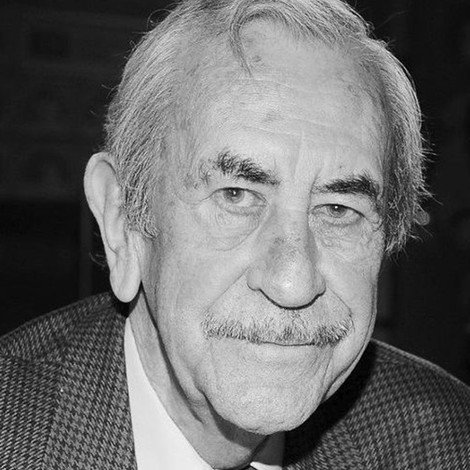
Jan Kobuszewski
Known for

4 Alternative Street
4 Alternative Street was a Polish comedy TV show that was finished in 1983 and aired in 1986 due to censorship. Many famous Polish actors appeared in the series. The filming location used in the mini series was a residential complex which is still in existence at 3 Grzegorzewska Street in Warsaw, Poland. The series was a satire to the communist rule in Poland, spoken in a way that it passed through communist censorship office.

Życie na gorąco
Richie
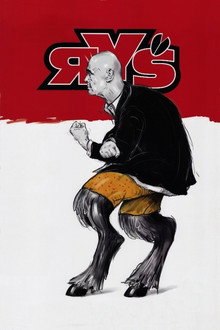
Chased by mafia boss Kreda over a mistaken €2 million debt, club president Ryszard Ochódzki follows consigliere Maria Wafel’s advice to sell land to Father Pudło, only to hatch an even bigger bank fraud with banker Koziczek to raise the cash. Flush with stolen funds and briefly enjoying political office, he hides the money in the Molibdenów home, but just as he and coach Jarząbek plan to retrieve it, contract killer Dukan closes in.

Miłość ci wszystko wybaczy
Hanka Ordonówna is a star of pre-war Polish cabarets. The film begins in 1942 in the Middle East, in a British military camp located near the front line. Hanka runs a shelter for homeless Polish children. In her moments of respite, the singer, who is suffering from tuberculosis, recalls the various stages of her career.

Brunet Will Call
Modest editor, has shipped his wife and kids for the weekend, and is trying to relax in his house at the outskirts of Warsaw. His quiet evening is only disturbed by the accidental forecast made by a Gypsy woman, that at evening time he will murder a mysterious brunet.

The Attempt
Set in the occupied Warsaw, the film tells the story of the mission carried out by the student underground resistance group to execute the hated SS General Franz Kutchera.

Klub kawalerów
A group of chauvinistic men start a Bachelors' Club, but soon they start falling in love with women, threatening the continued existence of the club.

5 dni z życia emeryta
An adaptation of Jerzy Stefan Stawiński’s novel "13 Days in the Life of a Retiree: The Diary of Adam Bzowski", depicting the exemplary life of a Polish intellectual (born well before the war) and his ancestors.

Naprawdę wczoraj
The story concerns a succesful writer at the height of his career. He is in a state of crisis, unable to forget the girl he had a brief affair in the 40's. At the promotion of his new book he meets her after the years and reminisces about the past, when he was on a government mission to recover a missing art treasure, a triptych. After the years the girl, now married, barely remembers the whole thing, while he re-examines the affair which he has so much romanticized.

Przygody dobrego wojaka Szwejka
This film is based on Hasek's unfinished novel about a good-humored, simple-minded, middle-aged man who pretends to be enthusiastic to serve Austria-Hungary in World War I.

Rozmowy przy wycinaniu lasu
TV staging of Polish contemporary drama. Stanislaw Tym returned to the text, which is preceded by a special dedication: "To all the carps in Poland I dedicate - the author." The story of lumberjacks leading a life in a forest glade gives the essence of both the reality in which the play was written and relates to today. Conversations about fish, this and that fill the time of the woodcutters, whose main occupation is waiting. Every day they wait for the Axe Man to come and distribute their work tools, only to collect them again after the day's work is done.

Barbara i Jan

Właśnie leci kabarecik

What is Dudek?
The "Dudek" cabaret group, Edward Dziewoński’s lifetime achievement, one of the greatest post-war cabaret groups recorded by a documentary filmmaker during rehearsals. The stars of Polish acting could be seen on stage, accompanied by excellent songs by Wojciech Młynarski.

Miłość z listy przebojów
Peter and Eliza are vacationing in the Mazury region. After an argument with her boyfriend, the girl leaves him and goes away. Meanwhile, Eliza's father Jul, a sculptor, organizes a reunion of former members of the student theater in which he performed years ago.