
Personal Info
Known For
Gender
Birthday
Place of Birth
Edna Purviance
Biography
Known for

The Kid
A tramp cares for a boy after he's abandoned as a newborn by his mother. Later the mother has a change of heart and aches to be reunited with her son.
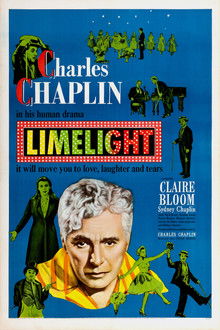
Limelight
A fading music hall comedian tries to help a despondent ballet dancer learn to walk and to again feel confident about life.
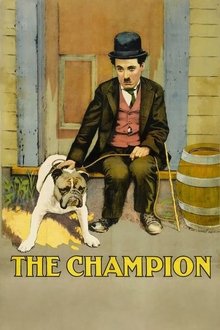
The Champion
Walking along with his bulldog, Charlie finds a "good luck" horseshoe just as he passes a training camp advertising for a boxing partner "who can take a beating." After watching others lose, Charlie puts the horseshoe in his glove and wins. The trainer prepares Charlie to fight the world champion. A gambler wants Charlie to throw the fight. He and the trainer's daughter fall in love.
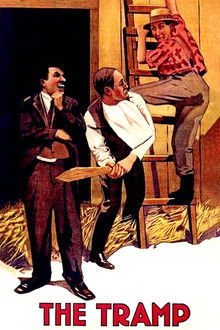
The Tramp
The Little Fellow finds the girl of his dreams and work on a family farm. He helps defend the farm against criminals, and all seems well, until he discovers the girl of his dreams already has someone in her life. Unwilling to be a problem in their lives, he takes to the road, though he is seen skipping and swinging his cane as if happy to be back on the road where he knows he belongs.
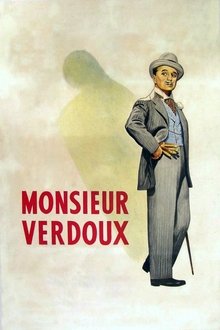
Monsieur Verdoux
The film is about an unemployed banker, Henri Verdoux, and his sociopathic methods of attaining income. While being both loyal and competent in his work, Verdoux has been laid-off. To make money for his wife and child, he marries wealthy widows and then murders them. His crime spree eventually works against him when two particular widows break his normal routine.
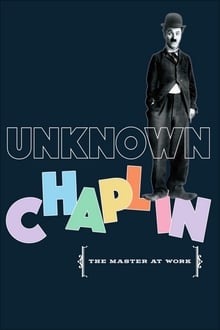
Unknown Chaplin
A documentary series examining the film making methods and techniques of Charles Chaplin. Featuring previously unseen footage from Chaplin's private film archive.
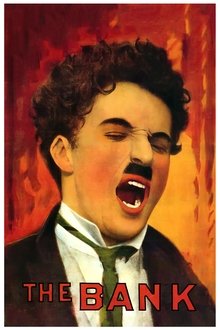
The Bank
A janitor at a bank is in love with a secretary and dreams that she has fallen in love with him too.
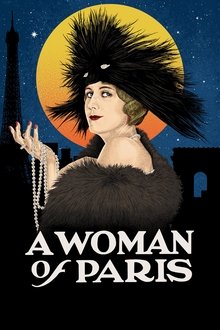
A Woman of Paris: A Drama of Fate
When Marie St. Clair believes she has been jilted by her artist fiance Jean, she decides to leave for Paris on her own. After spending a year in the city as a mistress of the wealthy Pierre Revel, she is reunited with Jean by chance. This leaves her with the choice between a glamorous life in Paris, and the true love she left behind.
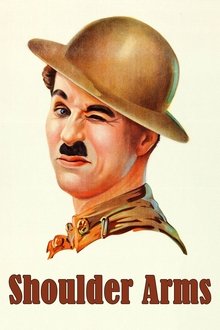
Shoulder Arms
An American doughboy, stationed in France during the Great War, goes on a daring mission behind enemy lines and becomes a hero.
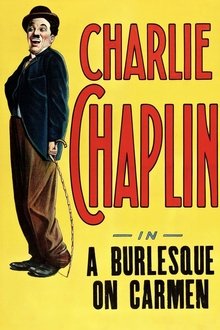
A Burlesque on Carmen
A gypsy seductress is sent to sway a goofy officer to allow a smuggling run.
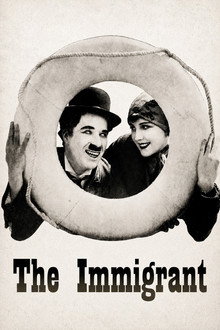
The Immigrant
A European immigrant endures a challenging voyage only to get into trouble as soon as he arrives in New York.
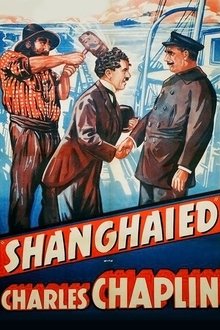
Shanghaied
A shipowner intends to scuttle his ship on its last voyage to get the insurance money. Charlie, a tramp in love with the owner's daughter, is grabbed by the captain and promises to help him shanghai some seamen. The daughter stows away to follow Charlie. Charlie assists in the galley and attempts to serve food during a gale.
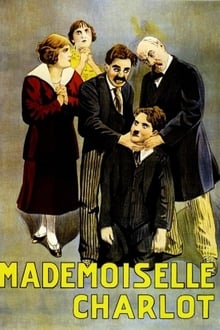
A Woman
Mother, father and daughter go to the park. The women doze off on a bench while the father plays a hide-and-seek game with a girl, blindfolded. Charlie leads him into a lake. Both dozing ladies on the bench fall for Charlie and invite him for dinner. The father returns home with a friend. Charlie rushes upstairs and dresses like a woman, shaving his mustache. Both men fall for Charlie.
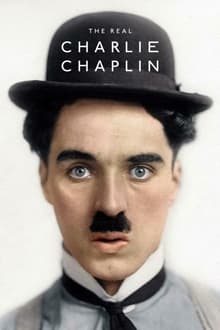
The Real Charlie Chaplin
A look at the life and work of Charlie Chaplin in his own words featuring an in-depth interview he gave to Life magazine in 1966.