Personal Info
Known For
Gender
Birthday
Place of Birth
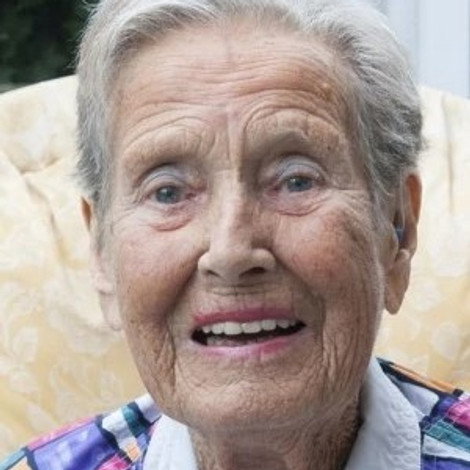
Margery Mason
Biography
Known for

The Bill
The daily lives of the men and women at Sun Hill Police Station as they fight crime on the streets of London. From bomb threats to armed robbery and drug raids to the routine demands of policing this ground-breaking series focuses as much on crime as it does on the personal lives of its characters.

Coronation Street
The residents of Coronation Street are ordinary, working-class people, and the show follows them through regular social and family interactions at home, in the workplace, and in their local pub, the Rovers Return Inn. Britain's longest-running soap.

Midsomer Murders
The peacefulness of the Midsomer community is shattered by violent crimes, suspects are placed under suspicion, and it is up to a veteran DCI and his young sergeant to calmly and diligently eliminate the innocent and ruthlessly pursue the guilty.

Agatha Christie's Poirot
From England to Egypt, accompanied by his elegant and trustworthy sidekicks, the intelligent yet eccentrically-refined Belgian detective Hercule Poirot pits his wits against a collection of first class deceptions.

Play for Today
Play for Today is a British television anthology drama series, produced by the BBC and transmitted on BBC1 from 1970 to 1984. During the run, more than three hundred programmes, featuring original television plays, and adaptations of stage plays and novels, were transmitted. The individual episodes were between fifty and a hundred minutes in duration.

Heartbeat
Set during the 1960s in the fictional North Yorkshire village of Aidensfield, this enduringly popular series interweaves crime and medical storylines.

Peak Practice
Peak Practice is a British drama series about a GP surgery in Cardale — a small fictional town in the Derbyshire Peak District — and the doctors who worked there. It ran on ITV from 10 May 1993 to 30 January 2002 and was one of their most successful series at the time. It originally starred Kevin Whately as Dr Jack Kerruish, Amanda Burton as Dr Beth Glover and Simon Shepherd as Dr Will Preston, though the roster of doctors would change many times over the course of the series. Cardale was based on the Staffordshire village of Longnor for the final series, but was previously based in the Derbyshire village of Crich, although certain scenes were filmed at other nearby Derbyshire towns and villages, most notably Matlock, Belper and Ashover.

The Wednesday Play
An anthology series of television plays which aired on BBC1 from October 1964 to May 1970. The plays were usually written for television, although adaptations from other sources also featured.


Harry Potter and the Goblet of Fire
After his name emerges from the Goblet of Fire, Harry Potter becomes a competitor in a grueling battle for glory among three wizarding schools in the Triwizard Tournament. But if Harry never submitted his name for the Tournament, then who did? Nevertheless, Harry must confront a deadly dragon, fierce water monsters, and an enchanted maze—only to find himself in the cruel grasp of He Who Must Not Be Named.

A Touch of Frost
Jack Frost is a gritty, dogged and unconventional detective with sympathy for the underdog and an instinct for moral justice who attracts trouble like a magnet. Despite some animosity with his superintendent, Norman “Horn-rimmed Harry” Mullett, Frost and his ever-changing roster of assistants manage to solve cases via his clever mind, good heart, and cool touch.

Tales of the Unexpected
A British television anthology of stories, often with sinister and wryly comedic undertones, and a twist at the end. With early episodes written and presented by Roald Dahl, the series featured a plethora of big name guest stars.

Theatre 625
Theatre 625 is a British television drama anthology series, produced by the BBC and transmitted on BBC2 from 1964 to 1968. It was one of the first regular programmes in the line-up of the channel, and the title referred to its production and transmission being in the higher-definition 625-line format, which only BBC2 used at the time.