Personal Info
Known For
Gender
Birthday
Place of Birth
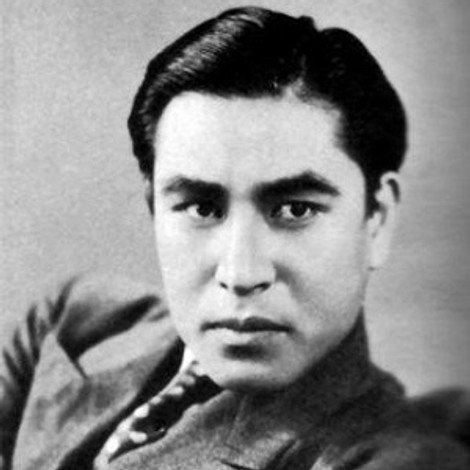
Shin Saburi
Biography
Known for

Ashita Koso
The 8th NHK Asadora. Starring Yumiko Fujita in a family drama. The first Asadora filmed in color.

Akatsuki
The 3rd NHK Asadora. Starring Shin Saburi as a professor who quits the university to become a painter.

Ashura no Gotoku
Kuniko Mukōda's masterpiece, a poignant and subtle portrait of the jealousy and suspicion that secretly swirl behind seemingly peaceful family relationships.

The Castle of Sand
Two detectives are tasked to investigate the murder of an old man, found bludgeoned to death in a Tokyo rail yard.

The Flavor of Green Tea Over Rice
The arranged marriage between a capricious woman from Tokyo high society and a quiet rustic man is tested by a marital crisis.

Late Autumn
A woman and her daughter are each forced to contend with an increasing pressure to marry, particularly from three men who knew her late husband.

Fossil
An industrialist is diagnosed with terminal cancer. He is abroad in Europe at the time, and a glimpse of a Japanese woman in that setting causes him to imagine her as the personification of his impending fate. As his dialogue with his imagined mortality continues, he meets the living woman, the template for his fantasy, and together, they tour rural churches. Gradually, he comes to some kind of peace about the diagnosis. When he returns to Japan, he is met with a series of challenges that profoundly test the lessons he has learned.
Jigoku no fue
While conducting a crackdown on contraband cigarettes at Ueno Station, inspector Tetsuro Shibuya came across an envelope addressed to Misa Makihara inside an unattended backpack filled with loose tobacco. Misa was ostensibly an employee of Yamagishi Shokai, a real estate firm, but in reality she was the mistress of Yuzo Yamagishi, a cigarette bootlegger. Yamagishi’s contraband cigarettes were made from loose tobacco sourced from Misa’s uncle, Kisaku, in Ibaraki.

Hunting Rifle
Story of a woman, Saiko, who divorces her doctor husband when she is given a baby by a stranger who claims it is the husband's child. Saiko embarks on an affair with her cousin's husband, but a crisis threatens when she discovers that her ex-husband is about to remarry.

Equinox Flower
Wataru's outwardly liberal views on marriage are severely tested when his daughter declares her love for a coworker and is adamant to live her own way, instead of agreeing to an arranged marriage. Outwitted by his female relatives, Hirayama stubbornly refuses to admit defeat.

The Actress and the Detective
A private detective chases a female pickpocket into a film studio and dashes through the sets. With special appearances by a star-studded cast.

Japan's Don
A yakuza leader must balance his violent tactics necessary for the rough streets of 1960s Tokyo with the domestic needs of his daughters.

Island of Hell
A scruffy detective investigates the murders of three sisters on a small Japanese island in 1946.