Personal Info
Known For
Gender
Birthday
Place of Birth
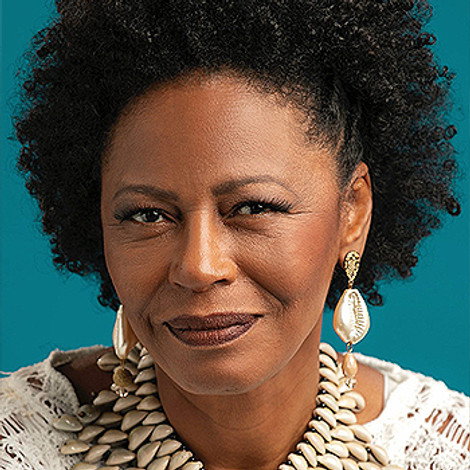
Edvana Carvalho
Biography
Known for

Young Hearts
Malhação is a Brazilian television series for the teenage audience. The soap started in 1995, and was set in a fictional Gym Club called Malhação on Barra da Tijuca, Rio de Janeiro. Through the years the location varied slightly. Although the name of the soap remains the same, it is now set in the Múltipla Escolha High School.

Que História é Essa, Porchat?
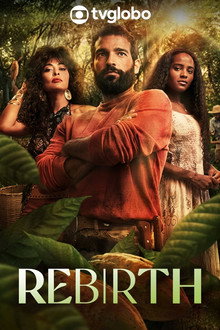
Rebirth
After making a pact with Jequitibá, José Inocêncio becomes a mythical figure, known as the most successful cocoa farmer in the region. While still young, he wins the heart of Maria Santa. Their intense passion results in four children: José Augusto, José Bento, José Venâncio, and the youngest, João Pedro, who never had the opportunity to know his mother, as she dies while giving birth to him. This tragedy fuels José Inocêncio’s anger, blaming João Pedro for the loss of his great love. Throughout their lives, indifference and resentment mark the relationship between the father and his youngest son. As if the past weren’t enough, years later, the arrival of the mysterious Mariana puts all these emotions to the test when both father and son fall in love with the same woman. This situation reawakens feelings that were either dormant or previously unknown to them.

Anything Goes
The story of a mother and daughter with opposing views on the path to success in life takes the audience on a contemporary journey about character, ethics and honesty.

The Big Catch
In this romantic police comedy, after a luxury hotel is robbed by four of its employees, the lives of all people involved are turned upside down. With different motivations, they will do all they can not to be discovered, bringing all sorts of conflicts into the hotel. The confusion escalates when the detective trying to solve the case falls in love with one of the robbers, unaware he is one.

Noah's Ark
A pair of mice attempt to board Noah's Ark: Vini, a charismatic poet with terrible stage fright, and Tito, a talented and charming guitarist. When the rains come, only one male and one female of each species is allowed on Noah's Ark. With the help of an ingenious cockroach and fate's good luck, Vini and Tito sneak their way onto the Ark and together avert a showdown among the ships carnivores and plant eaters. All the while, the animals perform a series of classic songs inspired by world renowned poet, Vinicius de Moraes. Can these talented stowaways use music to break the tension and help these cooped up creatures survive the 40 days and 40 nights together?

Ó Paí, Ó: A Série

The Freitas Brothers
In the mid 90s, Luís Cláudio Freitas is forecast as the great promise of the Brazilian boxing. His younger brother, Acelino "Popó" Freitas is new in the career so nobody takes him seriously.

The Two Deaths of Quincas Wateryell
Friends of the recently deceased Quincas take their pal's body on one last tour of his favorite spots in Brazil's Bahia.

Booyah!
Amadeu needs money, he and Gina are in trouble.Fate smiles on him when he finds a bag stuffed with a small fortune, which he ends up hiding. Now Gina has to find out where Amadeu kept the bag. But she's not the only one on the hunt for this fortune.

Bando, um Filme de
The 28-year history of the Olodum Theater Band, Latin America's longest-running black theater company. Created in Salvador in 1990, in partnership with the Olodum Cultural Group, the company was responsible for launching names such as Lázaro Ramos and Érico Brás. Gathering archive images and interviews with Bando members, collaborators and other guests, the group's trajectory is built.

Ó Paí, Ó: Look at This
During the Carnival in the historical site of Pelourinho, Salvador da Bahia, we follow the lives of the tenants of a falling-to-pieces tenement house who try to get by using creativity, irony, humor, and music.
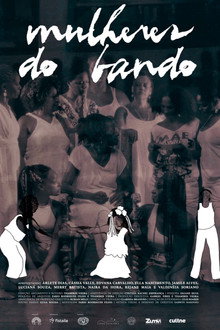
Women from the Pack
The documentary investigates the first steps of artistic resistance by the black actresses from Bahia of the Bando de Teatro Olodum group, which emerged in the 90's, and redefines, through documentary and fictional procedures, the contrast between official discourses and oral discourses from the perspective of these women.
