Personal Info
Known For
Gender
Birthday
Place of Birth
Robert Mikluš
Known for
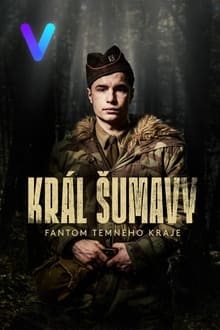
King of Shumava: Phantom of the Dark Region
It is the spring of 1948. The joy of peace has not yet faded, and both East and West are already afraid of World War III. Both worlds are separated from each other by the deep forests of Šumava. Twenty-four-year-old cook Josef Hasil serves in the kitchen of the National Security Corps in Zvonková. Wild boy. He had already experienced the war in a German labor camp and as a link between partisans. Now he longs above all for fun, adventure, freedom. The last thing he cares about is politics.
Polabí
Polabí
Odznak Vysočina
Odznak Vysočina
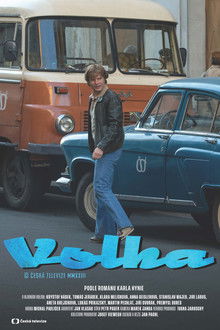
Volga
Standa Pekárek has three wishes in life: to drive a volga, to drive for the Humour and Folk Entertainment editorial office and to drive Got'ák. The five-part miniseries Volha is an adaptation of the novel of the same name by Karel Hynia, written in an extraordinary, bizarre and precisely echoed language. It can be perceived as a peculiar history of Czechoslovak television with a number of incredible, albeit real, "stories from the set". At the same time, however, it is a portrait of its main character - a limited egocentric who excels in inventing small tricks and deceptions - how to steal petrol, fake mileage, cheat his wife, get rid of the competition. Logically, he then also becomes a StB collaborator (with the code name Volha) who informs on all his co-workers and passengers without any remorse.

I, Mattoni

Iveta
Iveta wants to be a famous singer. The journey leads from the children's choir through singing competitions, recording the first hit and record to nationwide fame. Iveta has to convince parents, jurors, producers, spectators. The only one who believes in her from the beginning is Petr Sepéši. Her first love. What is the price of a dream come true? The beginning of Iveta Bartošová's life story.

Svět pod hlavou
Škoda lásky
Taxikář

Devadesátky