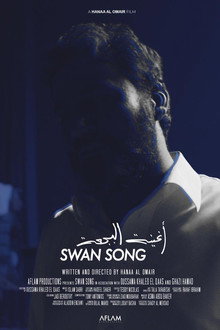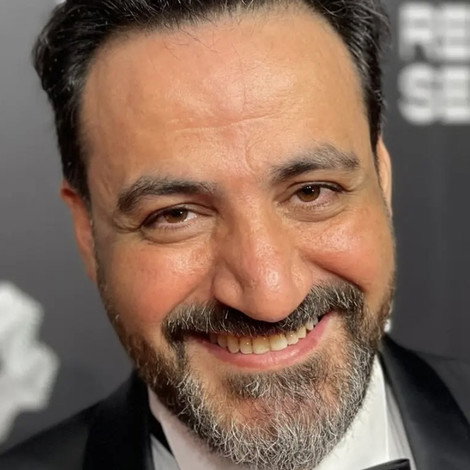
Personal Info
Known For
Gender
Birthday
Place of Birth
Osama Al-Qass
Known for

A Matter of Life and Death
Haya's convinced she's going to die before thirty, so she's living like it — loud, reckless, completely unfiltered, no brakes. Then one of her stunts goes wrong and lands her in the ER... right into Youssef. A heart surgeon. Calm, controlled, lives by a schedule. The human opposite of her in every way. Naturally, she decides he's her destiny. What follows is chaotic, funny, and a little bit ridiculous — neon nights, strange rituals, the kind of moments you can't plan for. Her countdown keeps ticking. His walls keep cracking. And somewhere in between, they both start remembering what it actually feels like to be alive. A love story for anyone who's ever felt like too much.

Jameel Jeddan
After five years in a coma, a young girl wakes up to find that everything about her life has changed, but she must return to school and finish her final year.

Saify
At 40 years old, Saify Muhammed is a washed-up confidence trickster who owes money to everyone, including his ex-wife. Now he is trying his hand at blackmail. The year is 2000; Saify has a dilapidated music shop selling cassette tapes, including recordings of banned Islamic sermons he mistakenly thinks will turn an illicit profit. His sermon supplier is Al-Mahdi, shady religious advisor to the local bigwig Sheikh Asaad Aman, who has a name as a philanthropist. When Saify finds one tape containing a scandalous recording of the influential Sheikh Asaad, he thinks he’s finally in the money.
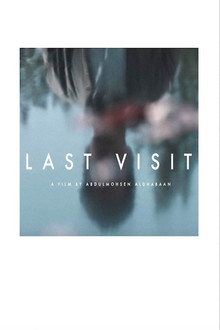
Last Visit
Not long after Nasser sets out with his adolescent son to attend a wedding he finds out that his father is dying. Unfavourable circumstances not only affect the original purpose of their trip but also begin to impact the relationship between Nasser and his son, Waleed. Indeed, the interaction with their relatives exposes a serious underlying problem: much to his father’s disapproval, Waleed doesn’t identify with the strong traditions that have been upheld for generations. Through its story of a family encounter the film adopts a realistic approach to gradually uncover the divide between the rural community and the more liberal-minded inhabitants of Riyadh. In so doing the work presents a critique of deeply rooted Islamic customs and seeks to establish the extent to which patriarchy determines paternal love.