
Personal Info
Known For
Gender
Birthday
Place of Birth
Luiz Orioni
Known for

Coração Alado

Pai Herói
After his grandfather's death, André Cajarana goes to Rio de Janeiro to understand the death of his father—whom he had always believed to be a hero—and to try to prove his innocence.

Chega Mais

Estúpido Cupido
The story is set in the fictional city of Albuquerque, in the interior of São Paulo, in the early 1960s – a time marked by changing behaviors in much of the world. There, young people enjoy the sounds of rock and twist on the dance floors, follow the fashion of jeans and leather jackets, and show off on Lambrettas and motorcycles through the city streets. In this context, Maria Tereza, a student teacher, dreams of living in the capital and being elected Miss Brazil, but clashes with her boyfriend, João. An idealistic young man who intends to pursue a career in journalism, he is consumed by jealousy of his beloved.

Os Gigantes

Sinal de Alerta

Gabriela

Sem Lenço, Sem Documento
Sisters Cotinha, Das Graças, Rosário, and Dorzinha work as domestic servants in Rio de Janeiro and face difficulties in their struggle for a better life.

O Sheik de Agadir

A Moreninha
On Paquetá Island, Carolina dreams of reuniting with a childhood sweetheart, unaware that it's Augusto, her brother's friend. After adventures and misunderstandings, the couple struggles to stay together.

Vejo a Lua no Céu
Fernando, a confirmed romantic, will do anything for his beloved Suzana. However, to live out their romance, he will have to go against his father, who rejects Suzana because of her economic status.
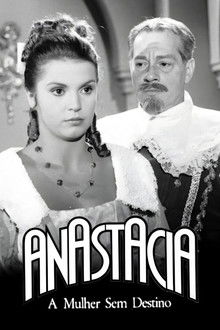
Anastácia, a Mulher sem Destino

Gina
Gina attracts attention and envy. Years later, her life is shaken by the return of an old love and she discovers some schemes orchestrated by her best friend.

Eu Compro Essa Mulher

Memórias de Amor
On the eve of the Republic, the clash between the monarchist Aristarco and his son Jorge, a defender of the republican cause, enlivened the Ateneu College and sparked passions and persecutions.