
Personal Info
Known For
Gender
Birthday
Place of Birth
Arlete Salles
Biography
Known for
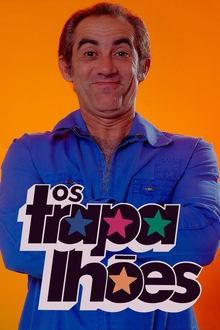
The Trapalhões
Os Trapalhões was a Brazilian comedy group and also a Brazilian television series created by Wilton Franco. Its members were Dedé Santana, Zacarias, Mussum and their leader Didi Mocó, that was played by Renato Aragão. The name Trapalhões is derived from the Portuguese verb atrapalhar, which means the opposite of helping, to do something the wrong way or to Those that confuse. The name is translated "Tramps" in English DVD subtitles. It was aired by Rede Globo from 1977 to 1999. On March 18, 1990, Zacarias died due to respiratory failure, but the group and the series didn't come to an end until July 29, 1994, when Mussum died due to an unsuccessful heart transplant.

Three Graces
Gerluce became pregnant as a teenager and, just like her mother, Lígia, she raised her child alone. Now, Gerluce watches her daughter Joélly become the third generation of the family to go through the same situation. Besides the impact that teenage pregnancy brings to the whole family, the three Marias das Graças must deal with Lígia’s worsening health.

Fera Ferida
Marked by tragedy, Feliciano Júnior returns to Tubiacanga as Raimundo Flamel, driven by the desire to avenge the death of his parents.

Chico Anysio Show
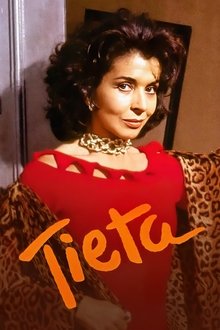
Tieta
Inspired on Jorge Amado's romance "Tieta do Agreste", the plot is set on the fictional city of Santana do Agreste, at Brazil's northwest, and has as main theme Tieta's life turnarounds. Twenty-five years after being chased out of town by her father Zé Esteves, she returns to her home town seeking revenge against everyone who mistreated her and laugh at her face in the past.

Looks & Essence
Griselda is a tough, hard-working handywoman who managed to raise her three children on her own. She struggles to make ends meet but after winning the lottery tensions rise as people inevitably show their true value. With plenty of romance and intrigue this incredibly rich and fun telenovela brings together the true values of friendship, love, and family.
O Homem Que Deve Morrer
Power Play
Eloá and Osmar's marriage is thrown into crisis when a mysterious man crosses their path. With a thirst for prestige and power, Eloá will face the consequences of her ambition.
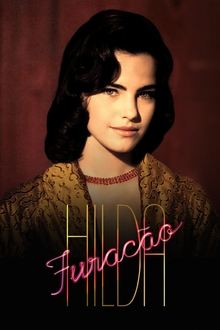
Hilda Hurricane
After breaking off her engagement on her wedding day and going directly to a prostitution house, a young model becomes the city's most famous harlot, known as "Hilda Hurricane", in the 50's Brazil. She could do fine if it wasn't for Malthus, a young novice said to be a saint, for whom she falls in love. However, the boy is kept under the strict, severe doctrine of Father Nelson, a conservative priest intolerant even to every minor sin. Things start getting harder when Roberto, Malthus' old friend and a communist reporter (the actual author of the story), tries to interview Hilda and disclosure the real reasons behind her radical change of mind. In the meantime, the middle-classes are terrified by the "leftist threat" in Brazilian politics.

Sétimo Sentido

Selva de Pedra
Amidst an unresolved crime, Simone protects Cristiano and falls in love with him. However, the couple faces ambition and betrayals that tear them apart. Presumed dead, she returns under a new identity seeking revenge.

Ambitious Women
In Ambitious Women, all levels of ambition are revealed in a plot full of greed, revenge and struggle for power, through the conflicts of three strong women with very different personalities.
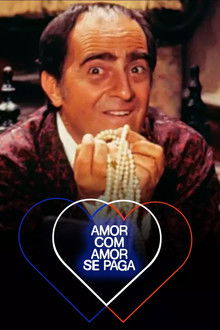
Amor com Amor Se Paga
Nonô Corrêa, a character inspired by Molière's "The Miser", is the story's protagonist. The orphan Zezinho crosses paths with Nonô and wins the neurotic gentleman's heart.
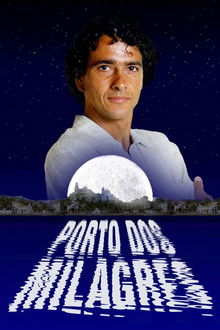
Port of Miracles
Fisherman Guma confronts Félix's corruption amidst passions, social struggles, and the power of Iemanjá, in a city divided between the docks and the elite.
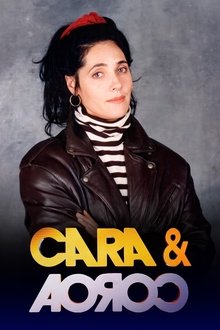
Cara & Coroa
Fernanda and Vivi are identical, but from different worlds. A cruel plan swaps their identities and transforms their lives into a game of lies and ambition.