
Personal Info
Known For
Gender
Birthday
Place of Birth
Sérgio Mamberti
Biography
Known for

Algemas de Ouro

The Trapalhões
Os Trapalhões was a Brazilian comedy group and also a Brazilian television series created by Wilton Franco. Its members were Dedé Santana, Zacarias, Mussum and their leader Didi Mocó, that was played by Renato Aragão. The name Trapalhões is derived from the Portuguese verb atrapalhar, which means the opposite of helping, to do something the wrong way or to Those that confuse. The name is translated "Tramps" in English DVD subtitles. It was aired by Rede Globo from 1977 to 1999. On March 18, 1990, Zacarias died due to respiratory failure, but the group and the series didn't come to an end until July 29, 1994, when Mussum died due to an unsuccessful heart transplant.

A Grande Família
The daily lives of a typical Brazilian middle-class family, that are always very close and tries, in their way, to survive the financial and relationship difficulties.
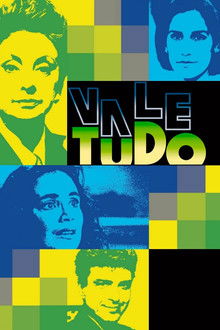
Vale Tudo
Fátima Accioly is a young, callous woman who wants to be rich and successful at any price. After selling her family's house in the country, she heads to Rio and gets to know dress man César who is unscrupulous himself. Meanwhile, her mother Raquel stays behind without home and money, but finally tries to find her daughter in the big city. Both women come in contact with the rich Roitman family which changes their lives forever.
As Pupilas do Senhor Reitor
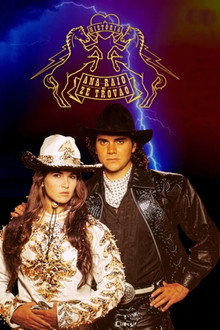
A História de Ana Raio e Zé Trovão

Shades of Sin
A Maranhense young woman and a carioca tourist photographer fall for each other and get separated by destiny and a woman obsessed with his family's fortune.

Pantanal

Cortina de Vidro
Dead Gods
In 1889, a conflict arose between the decadent and ruined rural aristocracy following the liberation of slaves and a new class of wealthy individuals, comprised of entrepreneurs emerging from the republican industrial class, interested in free labor. In the city of Ouro Negro, in the interior of São Paulo state, the conservative, aristocratic, and monarchist Almeida Santos family, which traditionally dominated the region, began to lose ground to the Lobo Ferraz family, representing the nascent progressive and republican bourgeoisie.

Forbidden Desire
In the 1930s, in Passaperto, the powerful Cândida controls the family until the arrival of Laura, considered a miracle, who awakens passions and rivalries that will change everyone's destinies.

Evil Angel
Ambitious Nice seeks social advancement through Rodrigo Medeiros, but ends up truly falling in love with him. This is the second version of the telenovela, originally aired in 1976.
Evil Angel
Ambitious Nice seeks social advancement through Rodrigo Medeiros, but ends up truly falling in love with him. This is the second version of the telenovela, originally aired in 1976.
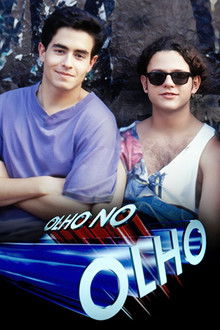
Olho no Olho
In Rome, Armando confesses to Father Guido Bellini that he is being hunted by a criminal organization led by a young man with paranormal powers. Some time later, Guido discovers that Armando has died and, feeling guilty for not having tried to prevent the man's murder, decides to leave the priesthood and return to Brazil. In the city of São Paulo, Guido dedicates himself to the study of paranormal phenomena in order to combat the organization led by César Zapata and his son Fred, the powerful young man to whom Armando referred. To confront the Zapatas, Guido relies on the help of Alef, also a paranormal young man who does not yet have full control of his powers. Alongside his fight against the criminal organization, Guido has a romance with Débora, Alef's mother. His main opponent, César, also likes Débora and does everything to separate her from Guido. He wages a veritable war against the former priest, using Fred's evil powers.

Transas e Caretas
The telenovela tells the story of Francisca Moura Imperial, a wealthy businesswoman, and her two sons: Jordão and Tiago, who show little interest in the family business. Jordão is the product of a whirlwind romance in Francisca's youth, while Tiago was born from her marriage to Roberto, a seductive man who moves in high society but is penniless. Francisca is preoccupied with her sons but cannot interfere in their lives as much as she would like. Eccentric and full of outlandish ideas, she decides to undergo plastic surgery, which makes her look 20 years younger, believing that this will bring her closer to Jordão and Tiago. Francisca's greatest concern is that at least one of her sons will marry and give her a grandchild, thus ensuring the continuation of the family name.