Personal Info
Known For
Gender
Birthday
Place of Birth
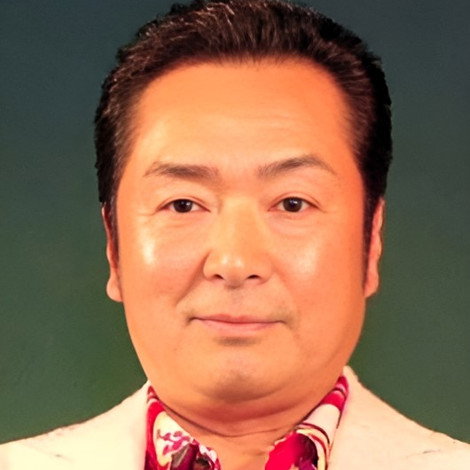
Teruhiko Aoi
Biography
Known for

Tomorrow's Joe
A young drifter named Joe Yabuki wanders through the slums of Tokyo, but when the local ruffians try to give him a hard time he teaches them a rough lesson with his fists. The spectacle sparks a gleam in the eye of an old drunk who happens to be watching—Danpei Tange, a failed boxer and former coach who sees something special in the boy. He pleads with Joe to train with him off, but the cocky young fighter brushes him. Later, though, when Joe is arrested and put in a juvenile detention facility, he realizes that he’s going to need to hone his raw fighting skills if he wants to survive. Thus is born a partnership that might just take Joe all the way to the top…
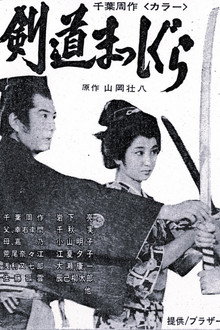
Chiba Shusaku: Kendo Masshigura
Chiba Shusaku: Kendo Masshigura is a Japanese period drama that aired on the TBS network from November 2, 1970 to August 30, 1971 in the "Brother Gekijo" slot. It ran for 44 colour episodes of 30 minutes each. Based on Sohachi Yamaoka's novel "Chiba Shusaku", it depicts the youth of Chiba Shusaku, founder of the Hokushin Itto-ryu school of swordsmanship. A hot-blooded young man who calls himself Shusaku enters the dojo of Asari Matashichiro and, through encounters with all kinds of people, grows rapidly both in swordsmanship and in character. Produced by TBS and Shochiku. Rerun on the Japanese CS channel Jidaigeki Senmon Channel from March 17, 2025.

Oyaji Daiko
The Tsuru family is a family of nine, headed by Kamejiro. Kamejiro is the president of a construction company that has made a fortune in its first generation, but he is a one-man family. His wife, Aiko, is a typical good wife and wise mother type. Kamejiro gets angry and thunders down every week, and the children are afraid of him, calling him "Oyaji Daiko", but he also takes advantage of this.


Family of Three
The drama features two families, the all-male Shibata family and the all-female Inaba family, and depicts the interactions between the two families with many amusing and heartwarming episodes.

The Water Margin
The Water Margin is a Japanese television series based on Water Margin, one of the Four Great Classical Novels of Chinese literature. The novel details the trials and tribulations of 108 outlaws during the Song Dynasty. This adaptation follows Lin Chung and his clashes with the local government official Kao Chiu. The Water Margin is famous for its, sometimes obscure, but memorable philosophical quotes, such as "Do not despise the snake for having no horns,for who is to say it will not become a dragon?""

World of Two
One night, Jiro and Reiko fell in love at first sight, and on the seventh day he proposed to her, and three months later they were married. However, the difference in upbringing between Jiro, who was born and raised in a farmhouse in Shinshu, and Reiko, who is a city girl by nature, sometimes causes small ripples in their sweet newlywed life.

Tomorrow's Joe 2: The Movie
It has been six months since the tragic accident in Joe and Rikiishi's fight. Joe believes he has overcome Rikiishi's death and decides to make a comeback. Joe does make a successful comeback by scoring 5 KO's by body blows. Joe is then given a shot at the national title as a means by the boxing commission to put him down. The champion, Tiger Ozaki makes use of Joe's habits and ends up making Joe's corner throw in the towel. Joe is afraid to throw punches at the face because of what happened to Rikiishi. Youko, Joe's love interest and the owner of the gym where Rikiishi trained at recruits a world ranked boxer from Venezuela, Carlos Rivera, to get Joe back on his feet and pursue his boxing career to the regional and world ranks.

Ashita Kara no Koi
Set in a neighborhood near a private railway station in the suburbs of Tokyo, this cheerful home drama depicts various events that occur in the homes of merchants and businessmen, as well as love affairs between men and women of all ages. It is a story of people of goodwill and kindness.

Yuki-hime Onmitsu Dōchūki
The story begins with Kiyomasa Kato's granddaughter, Princess Yuki, on her way from Kumamoto to Edo to appeal directly to the Shogun.

Brother
The drama depicts the lives and loves of people living in three different environments: a family consisting of two brothers and their parents; a family with a father and a daughter who are not well organized; and a girl who has moved from the countryside to Tokyo to live alone in the whirlwind of the big city, desperately trying to survive.

The Drumstick Detective
Ginji (Teruhiko Aoi), together with Yasugoro, a bathhouse owner, Toshiro, a ronin, Kojiro, a samurai retainer's son, and Omitsu, a kimono shop owner's daughter .... use drumsticks as a weapon against the evil that lurks in the city of Edo.

The Diary of Chuji's Travels
A historical drama about the days of youth of the famous yakuza boss, the protector of ordinary people Chuji Kunisada. The film was made to commemorate the 35th anniversary of Kinya Kitaoji's acting career.
