
Personal Info
Known For
Gender
Birthday
Place of Birth
Junko Miyashita
Biography
Known for

Furuya Ikkou's Great Detective Kindaichi Kousuke Series
Furuya Ikkou's Great Detective Kindaichi Kousuke Series
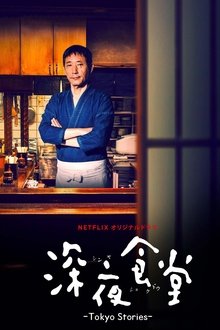
Midnight Diner: Tokyo Stories
In an otherwise mundane diner open from midnight to 7 a.m., there is no menu – but the chef cooks anything his customers want. Each episode is about different a different customer, as they find simple yet profound connections with one another based on their shared love of a particular dish.

Edogawa Rampo no bijo shirīzu

Kamome

A Woman Called Sada Abe
A true-life tale of a broken woman whose hedonistic tryst with a high-class restaurateur resulted in a horrific crime of passion that littered Tokyo headlines in 1936.

白昼の死角(TV)




Shinran: Path to Purity
In the 12th century, Buddhism was still a relatively new religion in Japan. At that time, one school (Shingon) offered extensive training in complex and very demanding practices which might eventually bring about spiritual purification and realization. Various Zen schools offered students a lengthy path, literally composed of a blank wall and unceasing meditation. Yet another school (Tendai) emphasized complex metaphysics and the study of philosophical systems. Basically, all of them were designed to cater to the few who were able to give up everything else in their lives and focus on liberation, such as scholars and noblemen. In this historical and biographical drama, this is the situation that the young Shinran (1173-1263) discovered when he began exploring Buddhism as an alternative to the violence and ceaseless civil wars that racked Japan at the time.
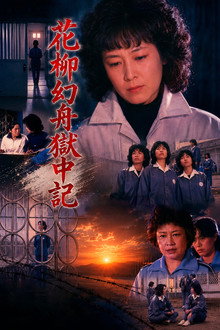
Genshu Hanayagi: Prison Diary
This drama attracted significant attention as an adaptation in which actress and dancer Genshu Hanayanagi recounts her real-life experiences in prison. On October 29, 1980, Hanayanagi (playing herself) began serving a prison sentence after being convicted of assaulting the head of a traditional dance school. Inside, she met women from diverse backgrounds, including a woman who allowed birds to devour her own child and a member of the Red Army Faction. Although initially met with a cold reception, Hanayanagi gradually became a central figure among them, thanks to her naturally cheerful personality.
妻の復讐
花ふぶき女スリ三姉妹