Personal Info
Known For
Gender
Birthday
Place of Birth
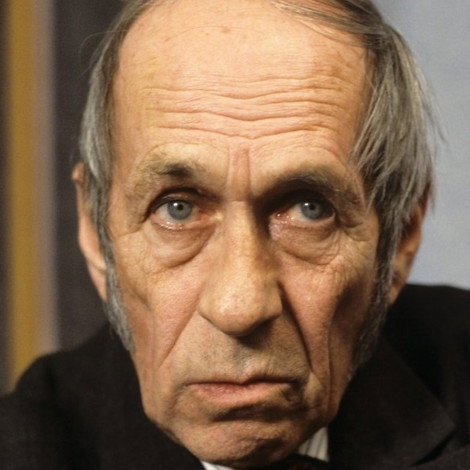
Bolesław Płotnicki
Known for
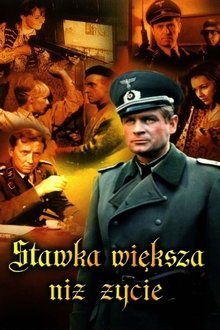
More Than Life At Stake
A series about the adventures of a Polish secret agent, Hans Kloss, who acts as a double agent in the Abwehr during Second World War in occupied Poland.
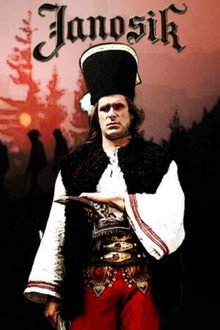
Janosik
Janosik was a television series that aired in Poland in 1974. It is about a famous Polish highlander outlaw who in folk legends steals money and goods from the rich and helps out the poor. The series was directed by Jerzy Passendorfer. There are 13 1-hour episodes.
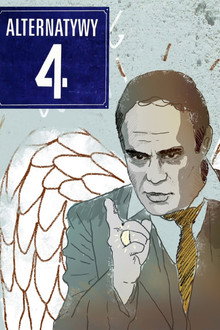
4 Alternative Street
4 Alternative Street was a Polish comedy TV show that was finished in 1983 and aired in 1986 due to censorship. Many famous Polish actors appeared in the series. The filming location used in the mini series was a residential complex which is still in existence at 3 Grzegorzewska Street in Warsaw, Poland. The series was a satire to the communist rule in Poland, spoken in a way that it passed through communist censorship office.
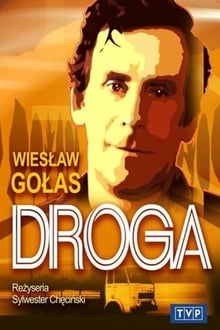
Droga
Marianek is an unlucky man and not successful in his affairs. At the same time, he is a dove-hearted man, sensitive to other people’s misfortunes and harm, willing to help, even at his own expense. He is always ready to solve the problems of others, although he is usually not very good at it. His favorite saying is “absolutely”.

Clouds of War
Polish Fanfan, the first Polish series from the "cloak and dagger" - written about the "black cloud" in the press of the 70's. Axis of the plot became a dramatic episodes of the struggle for the maintenance of the Polish Prussia. They remained in feudal depending on the Republic from 1525, when Albrecht Hohenzollern secularized religious state and filed in Krakow tribute to the Polish king.
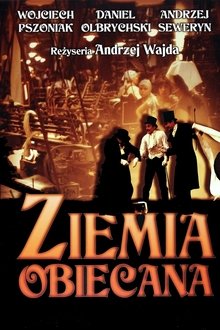
Ziemia obiecana
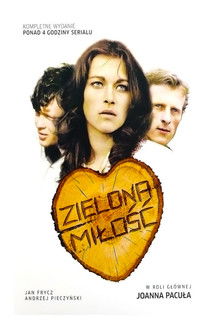
Puppy Love
A drama series about young people on the threshold of maturity. The heroes are young people who have recently graduated from high school. Before them, the first life decisions await, the first "adult" love, as well as the first disappointments and dramas.
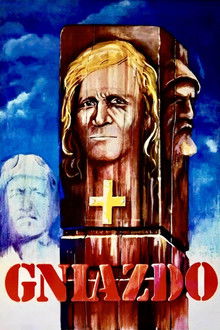
The Nest
Told in flashback as Mieszko lies feverish in his bed just before the Battle of Cedynia, Gniazdo recounts how the revered leader extended Poland's borders, formed an alliance with Emperor Otto I, and ultimately strengthened his country's autonomy by achieving victory during that crucial battle in the year 972.
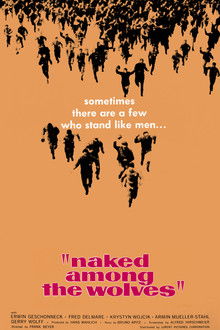
Naked Among Wolves
Based on a true story of inmates at KZ Buchenwald that risked their lives to hide a small Jewish boy shortly before the liberation of the camp.
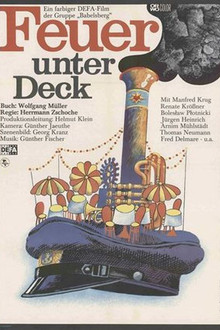
Fire Below Deck
Otto Scheidel (Manfred Krug) has been captain of the Elbe steamer Jenissei for over twenty years, but his ship, the last of its kind, is going to be converted into a floating restaurant. Otto, whose his strong attachment to the ship has already cost him his relationship with his girlfriend Caramba (Renate Krößner), refuses to take another job and instead joins a railway construction brigade.
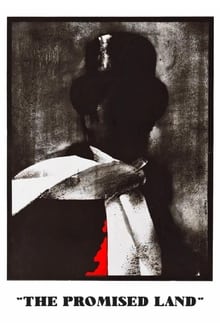
The Promised Land
At the turn of the century, Lodz, Poland, was a quick-paced manufacturing center for textiles, replete with cutthroat industrialists and unsafe working conditions. Three young friends, a Pole, a Jew, and a German, pool their money together to build a factory.
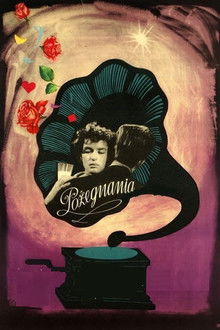
Farewells
The story takes place before World War II and centers on Pawel, a member of a conservative, middle-class family, and his love for Lidka, a taxi dancer. Social conventions and the lovers' inability to defy those forces Pawel and Lidka benefit. Times change, war breaks out, leading to Pawel sent to Auschwitz while Lidka marry his cousin. Their love has survived and conventions are no longer the issue.

Wielki podryw
A film consisting of two short stories. The protagonist of the first one is a polytechnic graduate who works in a factory. The second short story is about a shy boy who doesn't have a girlfriend.