Personal Info
Known For
Gender
Birthday
Place of Birth
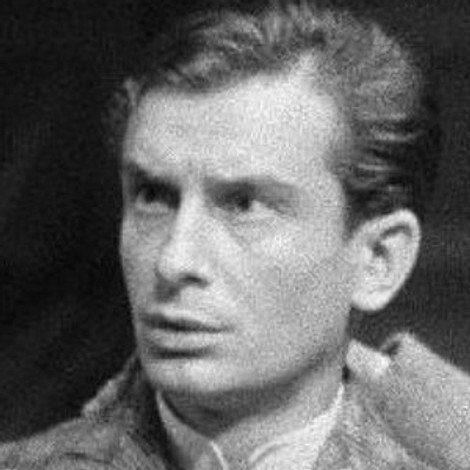
Peter Sturm
Known for
Der Staatsanwalt hat das Wort
Der Staatsanwalt hat das Wort was an East German television series.
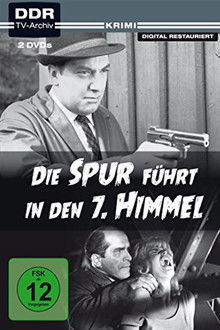
Die Spur führt in den 7. Himmel
Viennese nightlife in "7th Heaven" This very exclusive club is frequented by the elegant social elite: rich snobs, dandies, pimps from bourgeois society. And mysterious things happen here that attract the attention of the criminal investigation department. Are they connected to a series of serious crimes? The interest of the criminal investigation department is directed toward a certain group of people who are regulars at "7th Heaven." All suspects can be assumed to have a motive: they need money...
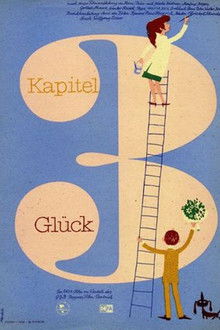
Drei Kapitel Glück
Ev and Peter fall in love at first sight. Peter studies dentistry in Leipzig and is eager to work in the country. There is an unfilled dentist vacancy in his home village. Ev, on the other hand, is drawn to the city. Being a commercial artist, she sees no chance to find a job in the country. This conflict becomes the first real test for their relationship.
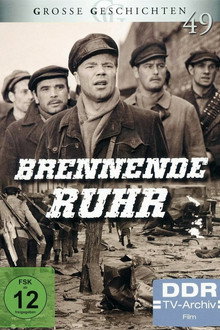
Brennende Ruhr
The events during the Kapp-Putsch 1920 in a small German town in the Ruhr district. The main protagonist is Ernst Sukrow, a student who sympathises first with the bourgeois forces but finally decided to join the communists in their fight.
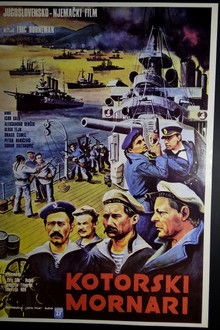
Cattaro Mutiny
In February of 1918, in Boka Kotorska, the greatest uprising of Austrian sailors broke out. Forty warships, with 6.000 sailors, rebelled against the Austrian Monarchy. The uprising was bloodily crushed after two days, and it's leaders shot.
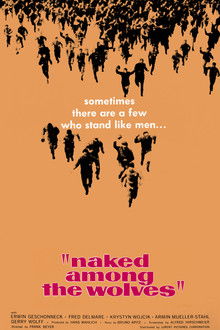
Naked Among Wolves
Based on a true story of inmates at KZ Buchenwald that risked their lives to hide a small Jewish boy shortly before the liberation of the camp.
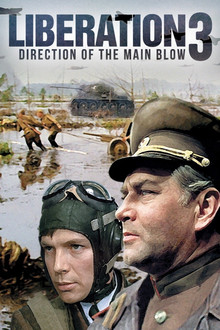
Liberation - Part 3 : Direction of the Main Blow
This five part epic war drama gives a dramatized detailed account of Soviet Union's war against Nazi Germany during world war two. Each of the five parts represents a separate major eastern front campaign.
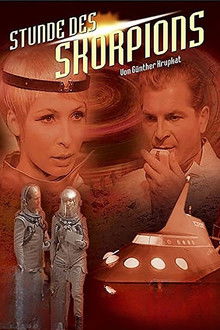
Scorpion Hour
In the 21st century, a global socialist security organization is concerned over a new energy source, of possible alien origin, falling into the hands of one of the last remaining capitalist countries and turned into a super-weapon.
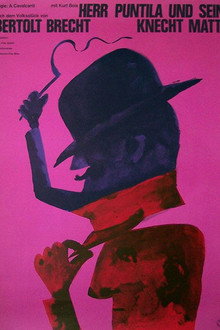
Herr Puntila and His Servant Matti
This first film adaptation of Bertolt Brecht’s play about class distinctions was made in 1955 in the Vienna Rosenhügel studios, but it was only premiered five years later. Curt Bois plays the rich capitalist Puntila who only becomes somewhat agreeable when he is drunk (which he is most of the time in this film). In his inebriated state, Puntila not only gets amorously involved with three different ladies but also suggests that his daughter Eva marries his chauffeur Matti. The chauffeur, however, doesn’t really agree…
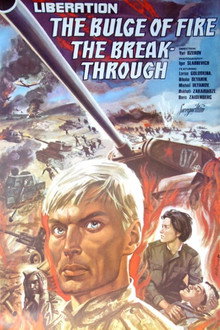
Liberation - Part 1 : The Fire Bulge
The "Fiery Arc" tells of a grandiose battle on the Kursk Bulge in the summer of 1943. Here was the largest tank battle in the history of World War II. Along with the personal fate of the heroes, the film shows battle scenes, the activities of headquarters and intelligence, those who worked at the front and in the rear.
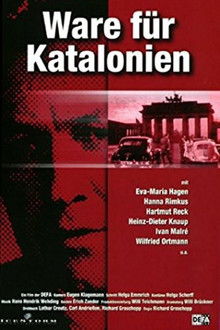
Ware für Katalonien
At the end of the 1950s, the production of optics in the German Democratic Republic has reached top quality and instigates interest in the West. When national demand rises strongly and at the same time the export to South America heavily decreases, the Volkspolizei - the GDR police force - starts to look into the case. Two seemingly unrelated cases are the starting point for the investigation by second lieutenant Schellenberg of the department for optics racketeering: An old woman who was arrested in the Berlin city railway for trying to smuggle a pair of binoculars to West Berlin, and a dead person in an area of allotments who was involved in obscure dealings with optical devices.
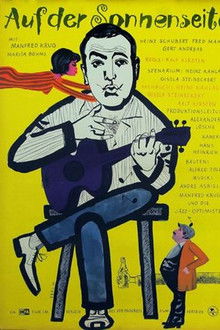
On the Sunny Side
The story of the steel melter Martin Hoff, whose factory delegates him to a drama school, corresponds to the real life of the actor Manfred Krug. Like his (film) hero, Krug works as a steel melter, does artwork, sings and acts, and is sent to drama school. Like his hero, who behaves anarchically and conspicuously, Krug is soon expelled from school.
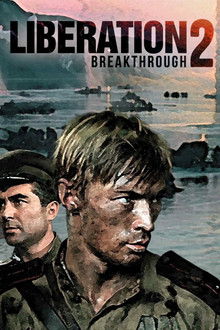
Liberation - Part 2 : Breakthrough
Fascist Italy's prime-minister Mussolini is arrested following the Allies landing in Sicily. Meanwhile, Soviet troops plan their offense towards Kyiv. Lt. Col. Lukin's regiment crosses the Dnieper river as the division's vanguard. Unbeknownst to them, they're merely a ploy to mislead the Germans so the rest of the army can catch them off guard.
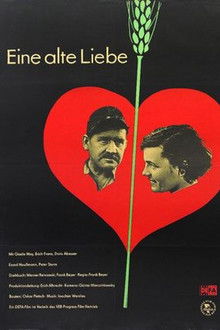
An Old Love
Frieda and August Walkowiak celebrate their 30th wedding anniversary. However, the marriage has been in crisis for some time. August wants to spend his old age in peace, while Frieda has no intention of giving up her position as LPG chairman. The problems in the countryside are huge, collectivization is not progressing fast enough, even comrade Heinrich Rantsch is clinging to his individual farm. Frieda fights for progress, even in her private life, because not only her burden but also her higher position is a thorn in her husband's side. During the wedding anniversary celebrations, Frieda is called to the LPG. This is the cause of the family quarrel that has been in the air for a long time. August demands her resignation. In vain - and so he moves in with Rantsch. Their daughter Helga also leaves the house because of the tensions. Frieda collapses. When she is in hospital, August comes to his senses.

Naked Among Wolves
1945: Buchenwald concentration camp shortly before liberation: Polish inmate Janowski rescues a small child hidden in a suitcase. A child in the world of death means hope and danger at the same time. When his fellow inmates and members of the secret resistance group discover the boy, they are faced with a difficult decision. But in the end, humanity prevails. The original and first German feature film about life and death in a concentration camp based on an authentic story.