Personal Info
Known For
Gender
Birthday
Place of Birth
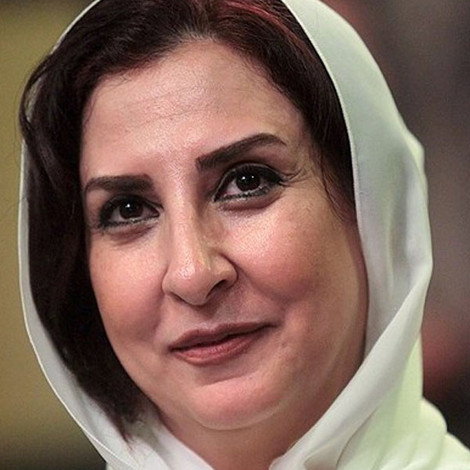
Marjaneh Golchin
Biography
Known for

Drunkard Morning
The story is about a daughter of a noble family in old Tehran named "Mahboobeh" who falls in love with a carpenter's apprentice from their neighborhood. She rejects his suitors and stands up to her family so that they will recognize this love and consent to her marriage to Rahim. Unaware that the wheel of time sometimes does not turn according to the will.
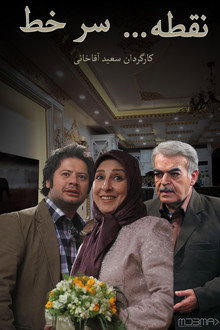
Noghteh Sare Khat
The series is about an employee whose loan application is approved after a long time, but at the same time, his retirement order is issued, and this creates adventures for the characters in the story.

Ahangi Night
Ahangi Night is a Iranian Comedy Reality Talk show. A program with the color of excitement and laughter performed by Hamed Ahangi, and the presence of popular guests that you will enjoy watching.

The Heartless
It shows the lives of people facing different challenges and events in society.

Bezangah
In the summary of Bezengah series, it is stated that Nader is an addicted man who lives in Karaj with his daughter Darsa and has divorced his wife Maryam. On the other hand, after the death of his father Aus Ahmed, he and his brother Saber, his sister Behjat and her husband are divided over the inheritance and Paternal heritage has been disputed and...

Khosh Neshinha
A family go on a trip without the father of the family but when they come back the father is missing.


Zirzamin
Three friends, Farajian, Kalani, and Asadi, sell a piece of land to a wealthy man named Korani using a fake document and defraud him, but Asadi takes the money and plans to take the shares of the other two for himself. He hides the money in the basement of an old house in Pamnar and tries to escape to Canada on the way to the airport.Anf getting to an accident. Now two more people are competing to find the money.

Mochin

Bootimar
The story of this series is about a family called the Golabi family, who bought 4 cars from a leasing company before the spread of the corona virus in order to sell them and buy a big house for the mother of the family, but the cars are not delivered until the father of the family, Parviz Golabi (played by Hamid Lolaei) finds out that this company is a fraud and goes to the North to find the gold of his wife, Maryam (played by Marjaneh Golchin), who had given it to one of the leasing employees.
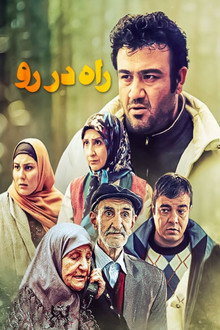
Rah dar ro
The story is about a man named Masoud who lives in a rented house with his wife Samira and his sister Golrokh. Masoud's financial problems, which arise after a fraud, put him in a predicament and create the knots of the story.


3 Dong 3 Dong
"Nosrat Eshghi" has owned and operated a bakery in one of Tehran's old neighborhoods for many years, along with his three sons. But only three dongs of the shop are in his name, and the other three dongs belong to his old partner and friend "Parviz," who emigrated from Iran 10 years ago and now lives in Italy. Parviz comes to Iran after many years to sell his three dongs of his share. Nosrat, who has suffered a lot for this bakery, is trying to raise money and buy Parviz's three dongs himself, but in the meantime, events occur that affect him and his family's lives, and they also decide to emigrate abroad; until...
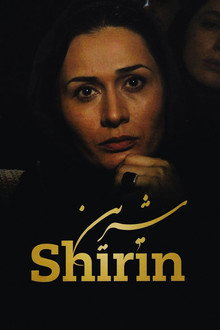
Shirin
A hundred and fourteen famous Iranian theater and cinema actresses and a French star: mute spectators at a theatrical representation of Khosrow and Shirin, a Persian poem from the twelfth century, put on stage by Kiarostami. The development of the text -- long a favorite in Persia and the Middle East -- remains invisible to the viewer of the film, the whole story is told by the faces of the women watching the show.