
Personal Info
Known For
Gender
Birthday
Place of Birth
Miguel Falabella
Biography
Known for
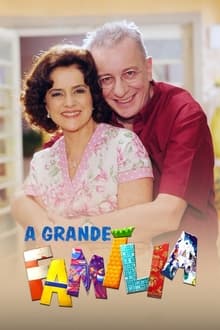
A Grande Família
The daily lives of a typical Brazilian middle-class family, that are always very close and tries, in their way, to survive the financial and relationship difficulties.

Chico Anysio Show

Que História é Essa, Porchat?
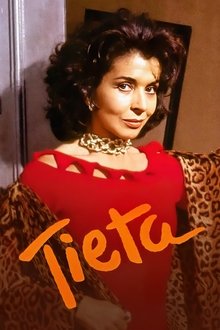
Tieta
Inspired on Jorge Amado's romance "Tieta do Agreste", the plot is set on the fictional city of Santana do Agreste, at Brazil's northwest, and has as main theme Tieta's life turnarounds. Twenty-five years after being chased out of town by her father Zé Esteves, she returns to her home town seeking revenge against everyone who mistreated her and laugh at her face in the past.

Three Graces
Gerluce became pregnant as a teenager and, just like her mother, Lígia, she raised her child alone. Now, Gerluce watches her daughter Joélly become the third generation of the family to go through the same situation. Besides the impact that teenage pregnancy brings to the whole family, the three Marias das Graças must deal with Lígia’s worsening health.

A Viagem
The soap opera's central theme is life after death, inspired by the philosophy of Allan Kardec, the codifier of Spiritism. The character who drives the plot is Alexandre, a delinquent who kills himself in prison after being convicted of robbery followed by homicide and goes on to torment the lives of all those he considers responsible for his tragic fate.
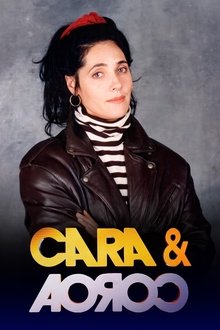
Cara & Coroa
Fernanda and Vivi are identical, but from different worlds. A cruel plan swaps their identities and transforms their lives into a game of lies and ambition.
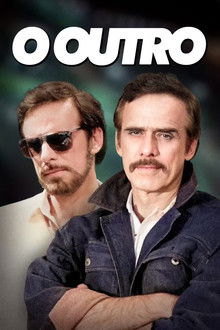
O Outro
Despite a striking physical resemblance, Paulo and Denizard live completely opposite lives in Copacabana. After an accident, their lives and those of their families take different paths.

Amor com Amor Se Paga
Nonô Corrêa, a character inspired by Molière's "The Miser", is the story's protagonist. The orphan Zezinho crosses paths with Nonô and wins the neurotic gentleman's heart.

Agora é Que São Elas
In São Francisco das Formigas, women led by Léo challenge the power of Mayor Juca Tigre to emancipate the village and achieve economic and social autonomy.
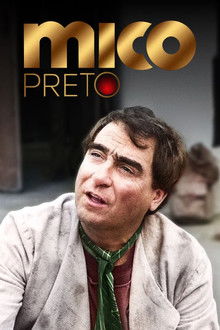
Mico Preto
The disappearance of Áurea Menezes Garcia sparks a fierce dispute over her business dealings. Firmino, her attorney, assumes power, but faces the greed of her children.
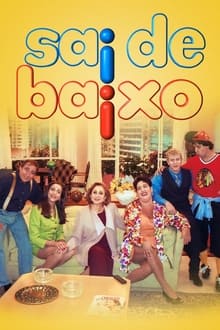
Sai de Baixo
It follows the lives of the members of a dysfunctional family, their maid and the doorman of the apartment building in which they lived.
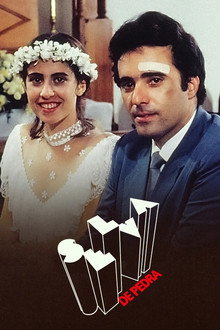
Selva de Pedra
Cristiano Vilhena is a young man from the countryside who dreams of high society, risking his happiness alongside Simone.

Brava Gente
Brava Gente was a television series aired by TV Globo in Brazil between 2000 and 2003, initially as a special year-end. The program was adapted from stories and national stories, and plays by famous playwrights, screenwriters and signed by a number represented by several actors and actresses. The genres of the stories varied each week with the style of each director or author. Brava Gente in the stories ranged from comedies and dramas. In all 53 episodes were shown, broadcast on Tuesday nights.