Personal Info
Known For
Gender
Birthday
Place of Birth
Gennadiy Khazanov
Known for
KVN Major League
KVN is a Russian humour TV show and competition where teams compete by giving funny answers to questions and showing prepared sketches. The programme was first aired by the First Soviet Channel on November 8, 1961. Eleven years later, in 1972, when few programmes were being broadcast live, Soviet censors found the students' impromptu jokes offensive and anti-Soviet and banned KVN. The show was revived fourteen years later during the Perestroika era in 1986, with Alexander Maslyakov as its host. It is one of the longest-running TV programmes on Russian Television. It also has its own holiday on November 8, the birthday of the game, which KVN players celebrate every year since it was announced and widely celebrated for the first time in 2001.
Yeralash
The children's humorous film magazine "Yeralash" is a one-of-a-kind work of cinematography that ironically approaches the solution of everyday problems, focusing on the views and needs of modern society, allowing different generations to achieve mutual understanding.
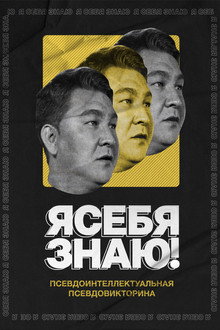
I KNOW MYSELF!

Точь-в-точь
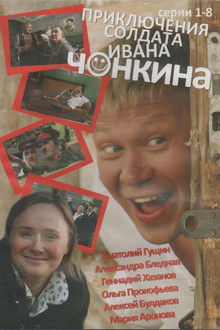
The Adventures of Soldier Ivan Chonkin
From a simple misunderstanding, a kind, funny story has grown about charming village people, about ridiculous situations in which they periodically find themselves.
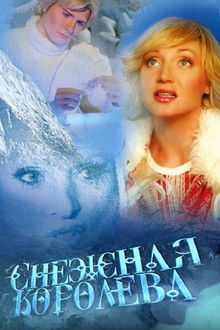
The Snow Queen
The New Year's musical film has everything that Andersen described in his famous fairy tale "The Snow Queen", but with the attributes of the modern world. The Snow Queen is a powerful woman who charms the young man Kai and promises to make a pop star out of him.
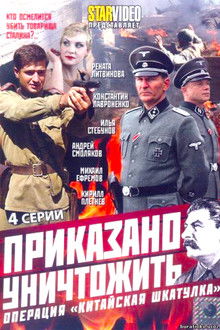
Приказано уничтожить! Операция Китайская шкатулка
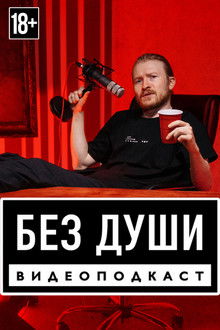
Без души
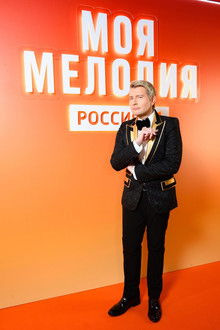
Моя мелодия
The heroes of this program have conquered many creative peaks, they are popular and loved by the audience. And everyone has their own melody that warms the soul, helps to love and believe in the future. The heroes will have to meet face to face with their "secret song" - because they do not know what kind of musical gift their relatives, friends or colleagues are preparing for them. The star guests of the show are in for unexpected surprises and vivid emotions, and their fans will have a unique opportunity to learn about the important moments that changed the fate of their idols and hear touching stories.
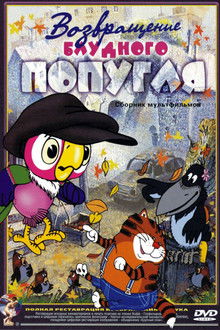
The Return of the Prodigal Parrot
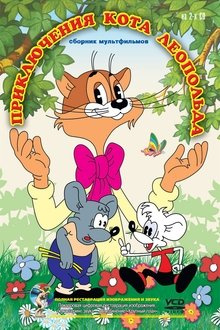
Leopold the Cat
Leopold the Cat is a Soviet/Russian animation series about the pacifistic, and intelligent cat, Leopold. Leopold always wears a bow tie even when swimming. He is always confronted by two mischievous mice, Grey and White. It was filmed by T/O Ekran in 1975 - 1987 and its runtime is 87 min. As of 1987, there were 11 episodes in total. Eventually, in 1995, most of the episodes were released on DVD. It was directed by Anatoly Reznikov, and the screenplay was written by Arkady Hayt. Boris Savelyev wrote the score. The cinematography was by Ernst Gaman, Igor Shkamarda, and Vladimir Milovanov. Nelli Kudrina did the sound. His catchphrase is - "Let's live in friendship, guys". The catchphrases of the mice are "Come out, Leopold!" by one and "Come out, you foul coward!" by the second.
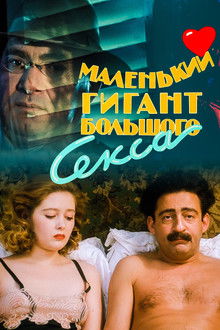
A Small Giant of Big Sex
Based on the story "Oh, Marat!" by Fazil Iskander. The main character of the movie, Marat, lives in a coastal town near the Black Sea, he works as a photographer at the beach and is an editor at the local newspaper. But he is known for an entirely other reason: no woman can resist him. Making love is a serious thing for Marat, although his adventures will make the viewers die with laughter...