Personal Info
Known For
Gender
Birthday
Place of Birth
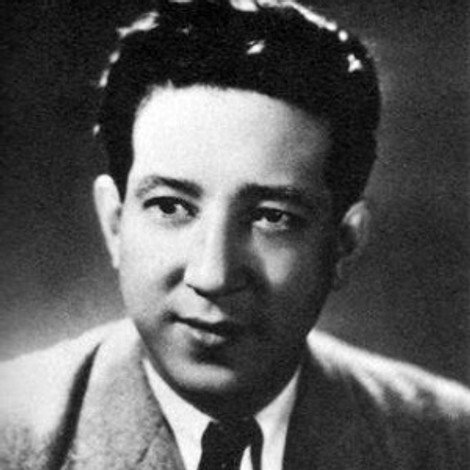
Ureo Egawa
Known for
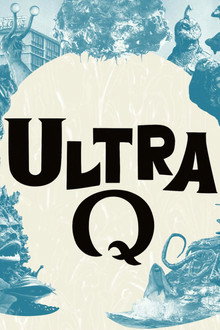
Ultra Q
As supernatural events and monster attacks rock Japan, the military and government look to be overwhelmed. Three intrepid young investigators—two pilots and a reporter—take it upon themselves to study these unexplained phenomena in order to inform and protect the public.
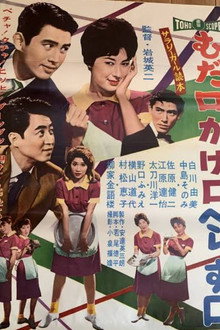
Salarygirl Book: Idle Talk, Back-Biting Chatter, Senseless Retorts

Jigoku no fue
While conducting a crackdown on contraband cigarettes at Ueno Station, inspector Tetsuro Shibuya came across an envelope addressed to Misa Makihara inside an unattended backpack filled with loose tobacco. Misa was ostensibly an employee of Yamagishi Shokai, a real estate firm, but in reality she was the mistress of Yuzo Yamagishi, a cigarette bootlegger. Yamagishi’s contraband cigarettes were made from loose tobacco sourced from Misa’s uncle, Kisaku, in Ibaraki.

Good-Bye!
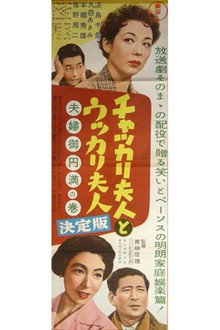
Careful Wife and Careless Wife: A Peaceful Couple
Mother

Ghost Cat of Nabeshima
Tanuma Kandayuu is a high class samurai of the house of Nabeshima. He finds a lavish board of Go (a Chinese Board game) at Kinbei's store. He recommend Kinbei to offer it to his lord. Kinbei hesitates at first, since he knows the board has a mysterious legend surrounding it; it's believed that for every game played on the board, one death is required.
Kinseimei shōbu monogatari: Kettō
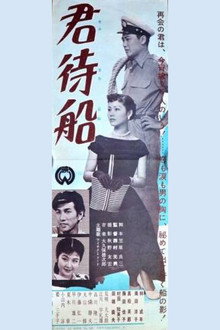
Kimi machifune

Equinox Flower
Wataru's outwardly liberal views on marriage are severely tested when his daughter declares her love for a coworker and is adamant to live her own way, instead of agreeing to an arranged marriage. Outwitted by his female relatives, Hirayama stubbornly refuses to admit defeat.

Jirocho in Disgrace

The Bride Talks in Her Sleep
This pair of gentle yet witty and inventive comedies from the director of The Neighbour's Wife and Mine typify both the formal experimentation of early Japanese sound cinema and the social milieux that Shochiku tended to depict. 'Virtually plotless, and feeling more like comic sketches than fully developed stories,' writes Arthur Nolletti, Jr, 'these light comedies, or farces, take a wholly trivial matter (often a socially embarrassing situation) and use it as a springboard for a succession of gags.' Much of the films' distinction comes from the wit of Gosho's direction, the imaginative use of the new sound technology and the charm of the acting, particularly of the heroines (Kinuyo Tanaka in Bride; Hiroko Kawasaki in Groom). Yet in both films, Gosho finds room for some shrewd observation of character and environment, subtly exploring the values and assumptions of the suburban petit bourgeoisie.
Red Camellia

Admiral Yamamoto and the Allied Fleets
Admiral Isoroku Yamamoto leads the Combined Fleet of the Imperial Japanese Navy to defeat the American Fleet.