Personal Info
Known For
Gender
Birthday
Place of Birth
Pyotr Shcherbakov
Known for

Fuse
Fitil is a popular Soviet/Russian television satirical/comedy short film series which ran for about 500 episodes. Some of the episodes were aimed at children, and were called Фитилёк, Fitilyok, Little Fuse. Each issue contained from the few short segments: documentary, fictional and animated ones. Directed by various artists, including Leonid Gaidai who presented his famous trio of Nikulin, Vitsin and Morgunov into the cast. It was called in USSR as "the anecdotes from the Soviet government".

I, Shapovalov T.P.
The film traces the path of the hero (formerly an ensign and a Knight of St. George, and then a talented commander of the Red Army) from the Civil War to the Great Patriotic War.

Investigation Held by ZnaToKi

Twelfth Night
After the overthrowing of Duke Senior by his tyrannical brother, Senior's daughter Rosalind disguises herself as a man and sets out to find her banished father while also counseling her clumsy suitor Orlando in the art of wooing.

Conscience

Restricted Area
Central Russia. The deputy chairman of the district executive committee, Tretyakova, was instructed to organize work to eliminate the consequences of a tornado that suddenly hit the village. She has to come to terms with the indifference of summer residents from a neighboring village, untouched by the disaster. Relying on her own experience and the will of the victims, Tretyakova will do her best...
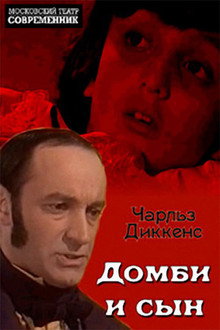
Dombey & Son
The dream of Paul Dombey, the wealthy owner of the shipping company, is to have a son to continue his business. Tragically, Dombey's wife dies shortly after giving birth to their son.

Touches on the V. I. Lenin's Portrait
Life and works of V.I. Lenin during the difficult period for the country of 1918.

Children of the Sun
The family of Russian intellectuals during the first Russian revolution is faced with a "cholera riot". One of the characters commits suicide, another goes mad, the third suffers from unrequited love.

An Evening of Memories
The characters remember their youth, which took place during the Civil War. The events of those years had a decisive impact on their lives - Kolobov became a career officer, and Svedomsky became a famous pianist.

The Days of the Turbins
Winter of 1918-1919. The power in the city passes from the hetman to the Directorate of Ukraine, then from Petliura to the Bolsheviks. Turbins and their acquaintances have to make their choice. Colonel Alexei Turbin and his brother Nicholas remain loyal to the White Movement and bravely defend it, without worrying about their lives. Elena's (née Turbin) husband, Vladimir Talberg flees shamefully from the city with the retreating German troops. In this troubled time, the family and close friends gather and celebrate the New Year. A strange and slightly ridiculous person comes to visit them, a distant relative of the Turbins: Larion Surzhansky


Office Romance
Anatoly Novoseltsev is a mousy single father and office stumblebum working at a statistics bureau in Moscow. In the hopes of being promoted, he is coaxed into charming his disagreeable and seemingly unfeeling boss, Ludmila Kalugina, or "Meany" as she's otherwise known by her subordinates. Helped by his colleagues Olya and Yura, Anatoly attempts to ease the yoke of Ms. Kalugina, and what follows in the wake of his graceless manoeuvres is completely unforeseen, as he awakens a side to her not yet known, even to herself..


The Star Hour
Based on the play by Estonian playwright Hans Luik. The action takes place in Petrograd on the eve of the October Revolution.