
Personal Info
Known For
Gender
Birthday
Place of Birth
Sulafa Memar
Biography
Known for

The Harem
Haramlek is a Syrian historical drama set during the late Ottoman era in Syria. It explores life inside elite households, focusing on women’s quarters (“haramlek”) and the hidden power struggles within. The story follows intertwined characters dealing with love, betrayal, and ambition, revealing how influence is exercised behind closed doors, especially by women navigating strict social structures.

People of Love
The series revolves around failed love stories as a result of a compelling circumstance or because of a social or financial problem or a problem related to religion so that the audience develops a state of sympathy with the series characters In each episode the series presents a separate station from the other detailing a glowing love relationship that was extinguished by various circumstances

Abdul Kader the Foreigner
Herbert Doperfield is desperate after his brother and his brother in law die during the Second World War, he regains hope again when he goes to Sudan and embraces Islam and changes his name to Abdul Kader. He then moves to Upper Egypt and falls in love with a girl from the big families there.

Memories of the Next Era
Matar disappears under mysterious circumstances for 20 years, during which everyone has believed he had died a martyr. However, he returns in a new form and builds a financial empire amidst the mystery surrounding the source of his wealth. Using the spider's method, he tightens his grip on everyone and exploits them to achieve his goals of doubling his wealth and taking revenge on his past friends.
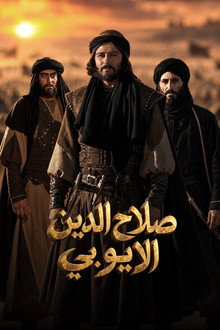
Salah Al-Deen Al-Ayoubi
A sweeping historical epic tracing the life of Saladin from his humble origins to his unification of fractured Muslim kingdoms and his legendary recapture of Jerusalem from the Crusaders after nearly a century of occupation. Starring Jamal Suleiman and directed by the late Hatem Ali, written by Walid Seif — the same partnership behind Palestinian Alienation — this is widely regarded as one of the finest historical dramas in Arabic television, epic in scale yet deeply human in its portrayal of leadership, faith and sacrifice.

Naked Souls
A contemporary social series that takes place in Damascus, and deals with the subject of doubt in the human being when some of its constants in life are shaken.

Al Zahir Baybars
The life and exploits of al-Zahir Baibars, Sultan of Egypt and the Levant, his journey from being a slave to Prince Ala’ al-Din al-Bunduqari, until he became sultan, and the many important events he was involved in, like the fall of Baghdad at the hands of Mongol commander Hulagu Khan, and the battle of Ain Jalut.
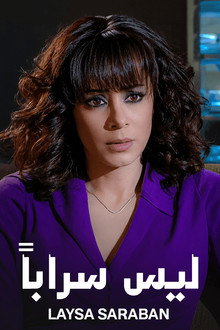
ليس سراباً
The show tells the story of a playwright, Jalal, who holds secular views, and his close friendship with Michel, his childhood friend. Michel initially worked as a lawyer but later transitioned to journalism, founding his own magazine in which he boldly addresses societal issues, drawing significant criticism. Additionally, the narrative explores themes of separating religion from civil and political life through a love story between a man and a woman from different faiths: Jalal (a Muslim) and Hanan (a Christian). Their relationship culminates in a secret marriage, which lasts until Jalal’s sudden passing. Throughout the story, the work focuses on two major issues related to secularism: the demand for a civil personal status law that permits civil marriage, and the call for a secular education system that allows students the freedom to seek their own truths instead of being indoctrinated with a predetermined "absolute truth." It also tackles issues of political and social corruption.

Behind Bars
Naji Saeed is a ruthless Damascus businessman who built his empire by climbing over everyone beneath him. When Nader — desperate and naive — walks into his orbit seeking money, he finds there's no clean way back out. A Syrian social drama that traces how class, greed and moral compromise trap people in invisible prisons long before any actual bars appear. Starring Bassam Kousa, Bassem Yakhour and Sulafa Mimar. Directed by Allaith Hajjo.

Roses in salty soil
The life and suffering of seven girlfriends in our modern society, as each has her own demands and hopes, from searching for work, to achieving self-fulfillment, human dignity, and balanced living psychologically and socially.

Badeea's Children
In the tannery neighborhood on the outskirts of Damascus, the death of an influential man ignitesa fierce battle between his children that begins with their greed for inheritance and does not end with the secrets they hide.

Warda Shamya
After their step-mother humiliates them and exposes their immoral past, sisters Warda and Shamiya kill and bury Aziza in their house, and all hell breaks loose.

The Age of Shame
Having spent most of her 20s taking care of her sick mother and her family's household, a sexually repressed woman elopes and has to face the hypocrisies of middle eastern society.

The Traitor
Dr. Aseel's perfect life is shattered when she discovers her husband Saif's two-year-long affair with a woman 15 years younger than him, sending her down a vengeful path.

Another Rainy Day
The series discusses the living conditions of middle-class families by presenting the daily lives of a group of educated characters looking for job opportunities and self-fulfillment in the capital, Damascus, and it deals with the relationships between spouses, siblings, friends, and lovers, as well as between parents and children.