Personal Info
Known For
Gender
Birthday
Place of Birth
Mary Marquet
Biography
Known for
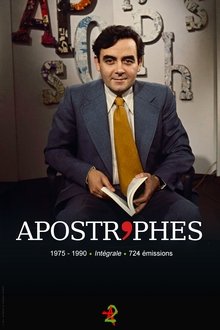
Apostrophes
Apostrophes was a live, weekly, literary, prime-time, talk show on French television created and hosted by Bernard Pivot. It ran for fifteen years (724 episodes) from January 10, 1975, to June 22, 1990, and was one of the most watched shows on French television (around 6 million regular viewers). It was broadcast on Friday nights on the channel France 2 (which was called "Antenne 2" from 1975 to 1992). The hourlong show was devoted to books, authors and literature. The format varied between one-on-one interviews with a single author and open discussions between four or five authors.
Midi trente


Samedi soir

Don't Look Now... We're Being Shot At!
During World War II, two French civilians and a downed British Bomber Crew set out from Paris to cross the demarcation line between Nazi-occupied Northern France and the South. From there they will be able to escape to England. First, they must avoid German troops – and the consequences of their own blunders.

Un curé de choc
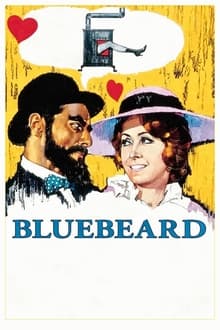
Bluebeard
Paris, France, during the First World War. While thousands of soldiers die every day on the battlefields, Henri Landru, a seemingly respectable furniture dealer, married and father of four children, relentlessly feeds his own sinister factory of death.
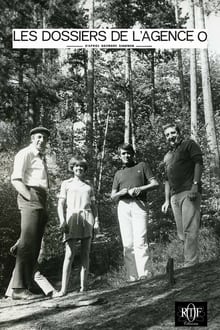
Les Dossiers de l'Agence O
L’Agence O is a famous Parisian private detective firm. Its premises are located in the Passage Choiseul. In front, Torrence leads the shop. In fact, the agency's team is complemented by Émilie le Roux, Mademoiselle Berthe and Barbet, who scrutinize clients through a one-way mirror located behind the desk. Getting hold of a man disguised as an old lady, solving the mystery of the Prisoner of Lagny or discovering who is blackmailing the painter Tigrane Alban does not worry the experts at the O Agency. Les Dossiers de l’Agence O is a French-Canadian television series in thirteen episodes of approximately 55 minutes created by Marc Simenon and broadcast first in Quebec from December 14, 1967 to March 13, 1968 on Télévision de Radio-Canada, then in France from March 11 to June 3, 1968 on the first channel of the ORTF.
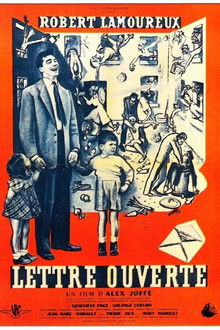
Lettre ouverte
Martial, Colette 's husband, is madly jealous. One day, he catches his wife writing a letter and he does want to know what this message contains, to no avail.
Le polygame
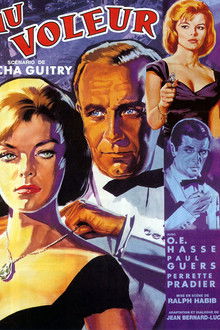
The Nabob Affair
Serge, alias Count Fornari, is hired by a mysterious employer to try to steal the Nabob, an exceptionally valuable diamond that Jeannette, alias Aménita (Perrette Pradier), the companion of a billionaire, wears as a locket. She covets the diamond and steals it from the safe. About to be caught in the act, she keeps it hidden in a handkerchief in her hand and manages to conceal it in Serge's pocket during the hotel ball. When she rejoins the billionaire, he asks her to open her hand, but the diamond is gone. The result is a chase full of misunderstandings and twists and turns between the three protagonists.
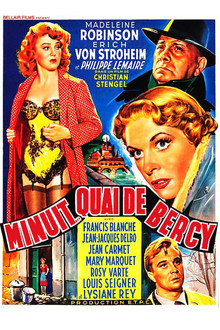
Midnight... Quai de Bercy
Having recently moved into her new apartment, Irène Cazenave, the widow of a well-known police officer, is forced by one of her husband's colleagues to take part in an investigation. The building's provocative concierge has been found murdered. We watch a parade of suspects, only to learn at the end that Irène killed the janitor under blackmail. She kills herself.
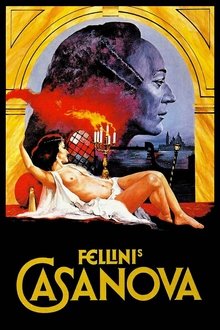
Fellini's Casanova
Imprisoned for practicing black magic, writer and adventurer Giacomo Casanova escapes and wanders Europe, using his fluid sexuality to find his place in life amid a variety of eccentric and strange characters.
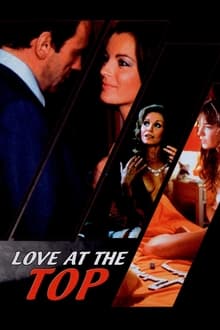
Love at the Top
A shy bank employee unexpectedly invites a young woman to a café, leading to a one-night stand. When he shares this with his disillusioned friend, the writer helps him navigate a dazzling social ascent.