Personal Info
Known For
Gender
Birthday
Place of Birth
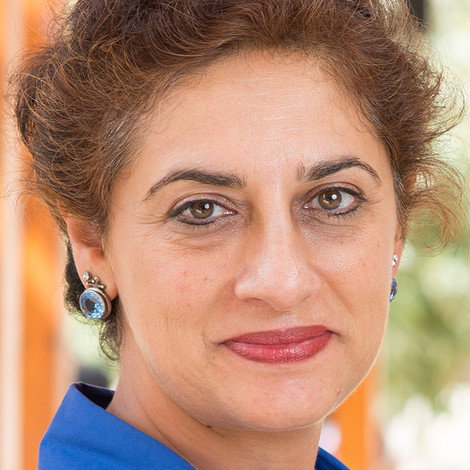
Salima Ikram
Biography
Known for
The Nature of Things
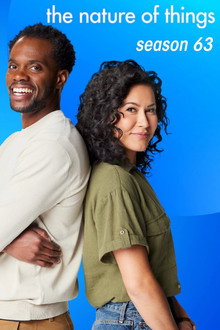
The Nature of Things is a Canadian television series of documentary programs. It debuted on CBC Television on November 6, 1960. Many of the programs document nature and the effect that humans have on it. The program was one of the first to explore environmental issues, such as clear-cut logging. The series is named after an epic poem by Roman philosopher Lucretius: "Dē Rērum Nātūrā" — On the Nature of Things.

Alexander: The Making of a God
Expert interviews and gripping reenactments combine to reveal the extraordinary life of Alexander the Great and his burning desire to conquer the world.

Civilisations
The story of art from the dawn of human history to the present day—for the first time on a global scale. Inspired by Civilisation, Kenneth Clark’s acclaimed landmark 1969 series about Western art, this series broadens the canvas to reveal the role art and the creative imagination have played across multiple cultures and civilizations.

Mummies Unwrapped
The quest of Egyptologist, archaeologist and linguist and three-time Emmy Award winner, Ramy Romany, to unlock the fascinating secrets of mummies.

Cleopatra's Final Secret
After 20 years seeking Cleopatra's tomb, archaeologist K. Martinez's search shifts to an underwater Mediterranean site. She's joined by Titanic finder Bob Ballard, Egyptian Navy and dive teams to explore the location.

Ancient Powers
Presented by world-leading historical specialists, each episode uses the very latest scientific and archaeological discoveries to reveal the tools, technologies, strategies and systems that decided the fate of the Ancient World.

Kingdom of the Mummies
The series follows a team of archaeologists led by Ramadan Hussein from Germany’s Eberhard Karls University of Tübingen, in conjunction with Egypt’s Ministry of Tourism and Antiques, as they uncover the country’s first known fully intact funeral home.

Tutankhamun with Dan Snow
An investigative look into the life of the boy-king, his environment and his death.

Mummy Mysteries
An international team of archaeological experts reveal the true stories behind ancient Egypt's most infamous mummies, using modern forensic science, they uncover tales of life and death in one of history's most mysterious civilizations.

Secrets of the Saqqara Tomb
This documentary follows a team of local archaeologists excavating never before explored passageways, shafts, and tombs, piecing together the secrets of Egypt’s most significant find in almost 50 years in Saqqara.

Treasures of Ancient Egypt
Alastair Sooke tells the story of Ancient Egyptian art through 30 extraordinary masterpieces.

Last Secrets of the Great Sphinx of Giza
For years, archaeologists have been fascinated by the statue with a lion's body and human head. To discover the mysteries of the Sphinx, the team go inside the magnificent monument.

Atlantis Found
Adventurer-geologist Dr. Martin Pepper sets out to prove his theory – that the true Atlantis existed on the Greek island of Santorini, and was destroyed in the biggest volcanic eruption in human history. In order to achieve his goal, Pepper will use new scientific evidence gathered using state-of-the-art sonar scans of the sea bed and microscopic analysis of the ancient landscape. He must also match Santorini to a series of key clues embedded in the first ever description of Atlantis by the Greek philosopher Plato – from the lost city’s strange ring-shaped design, to the role Egyptian priests played in recording the legend in the first place. By the end of the program, he reveals the stunning findings which may pinpoint the city and show exactly what it looked like.

Lost Treasures of Ancient Civilizations
In search of some of the world’s greatest archaeological wonders, historian and host Dan Snow uncovers the stories behind the most spectacular finds in history, revealing adventure, intense rivalry and spectacular breakthroughs. From Machu Picchu to China’s terra-cotta army, Dan crosses the globe to explore the greatest discoveries ever made. English
