
Personal Info
Known For
Gender
Birthday
Place of Birth
Kito Junqueira
Known for

As Divinas… e Maravilhosas

Opposite Lives
Opposite Lives tells the story of Miguel (Leo Rosa), a young rich man of a traditional family, and Joana (Maytê Piragibe), a student and tourist guide who lives in a slum. Although dating an elegant and rich fashion designer, Erínia (Lavínia Vlasak), Miguel and Joana fall in love for each other and they decide to get married.

Cidadão Brasileiro

Vereda Tropical
The story revolves around the conflicts within Silvana and Oliva's family—her mother and paternal grandfather—who are fighting for custody of Zeca after the child's father dies.

The Teenagers
Four teenagers, each facing a major conflict. Majô, the daughter of separated parents, has fallen in love with her mother Raquel’s husband, the teacher Túlio. Caíto, who is gay, lives in a dysfunctional home where his parents' marriage—Dirceu and Marilu’s—is going from bad to worse. Doca is a drug addict, and his sister Bia has become pregnant by her boyfriend, Michel. Their parents, Odilon and Paula, are deeply unhappy as well. Interwoven with their stories is that of Túlio—a former addict turned upstanding teacher—who encounters a haunting figure from his past: his ex-sister-in-law, Fernanda.
Tchan, a Grande Sacada
Como Salvar Meu Casamento

Espelho Mágico

Te Contei?
Sabrina is a wealthy young woman who hides her compulsion to steal from her parents – Hilda and Fred – and also conceals the fact that she rents a room at Lola's boarding house in the Rio de Janeiro suburbs, where she pretends to be a modest young woman looking for work. The parallel plots of the story unfold through these two distinct worlds in which Sabrina lives.
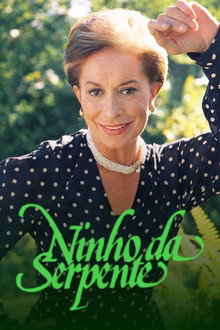
Ninho da Serpente
The traditional Taques Penteado clan is intimately linked to the history of São Paulo itself and is considered a significant representative of the São Paulo business world. Ill, Cândido Taques, brother of the matriarch Guilhermina Taques Penteado, lived isolated from everyone on the third floor of the family mansion in the elegant Jardim Europa neighborhood. Cândido's death puts the clan members on alert, awaiting his inheritance: a large fortune in cash, jewels, and stocks. The dispute over the inheritance, in an environment dominated by Guilhermina, and the game of interests among heirs unleash several conflicts, generating an atmosphere of oppression. The characters reveal themselves through their greater or lesser commitment to gaining access to the fortune. Some show no scruples whatsoever in obtaining it, while others, more skillful and diplomatic, resort to less petty means: they seek, for example, to take advantage of a close relationship with the matriarch.
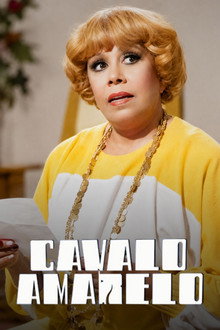
Cavalo Amarelo
The irreverent Dulcinéa struggles to keep her revue theater, *Mambembe*, afloat; the building itself belongs to the traditional Maldonado family. The patriarch, Salvador Maldonado—a conservative man—keeps a tight rein on the clan, maintaining control over both the business and his children: Joana, an elegant and snobbish woman who is the staunchest defender of the views held by Pops, as the children call him; Téo, who has always silently submitted to the old man's high-handedness; Walter, dominated by his older sister and his father's favorite; and Lalucha, the youngest, a film student who challenges the status quo and rebels against the family's stuffy conservatism.
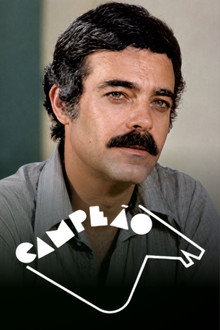
Campeão
Amílcar Salém is a good-humored man in his sixties, owner of a pharmaceutical complex and a leader in the fertilizer industry. His hobby is raising animals – thoroughbred horses, breeding cattle for beef and dairy, as well as pigs – while he dreams of creating purebreds. This dream includes racehorses, which he treats with extreme care at his stud farm. He sends one of his mares to the United States, where she is bred, carrying the future champion in her womb. Artificial insemination is a secret Amílcar keeps until his death in a car accident. His eldest son, Jorge, inherits the fortune and takes over the family business. Jorge is separating from his wife, Alexandra Cardoso, and the couple has a son, Flávio. Amílcar's death shakes everyone, especially his grandson, who was very close to him. Flávio is the owner of Panambi – "blue butterfly" in Tupi-Guarani – the foal conceived in the United States through artificial insemination.

Jogo do Amor
Canção para Isabel
