Personal Info
Known For
Gender
Birthday
Place of Birth
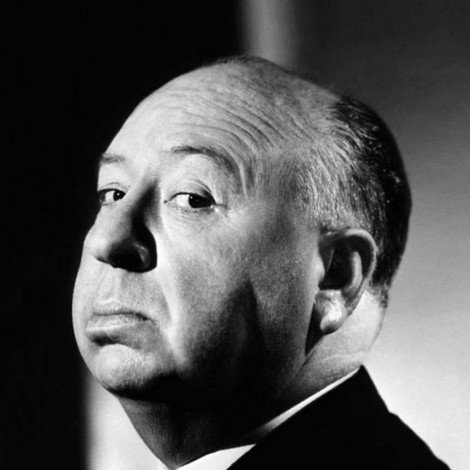
Alfred Hitchcock
Biography
Known for

The Merv Griffin Show

What's My Line?
Four panelists must determine guests' occupations - and, in the case of famous guests, while blindfolded, their identity - by asking only "yes" or "no" questions.

The Dick Cavett Show
The Dick Cavett Show has been the title of several talk shows hosted by Dick Cavett on various television networks.

The Alfred Hitchcock Hour
A continuation of the anthology series “Alfred Hitchcock Presents”, hosted by the master of suspense and featuring thrillers and mysteries.

The Red Skelton Show
The Red Skelton Show is an American variety show that was a television staple for two decades, from 1951 to 1971. It was second to Gunsmoke and third to The Ed Sullivan Show in the ratings during that time. Skelton, who had previously been a radio star, had appeared in several motion pictures as well. Although his television series is largely associated with CBS, where it appeared for more than fifteen years, it actually began and ended on NBC. During its run, the program received three Emmy Awards, for Skelton as best comedian and the program as best comedy show during its initial season, and an award for comedy writing in 1961.

North by Northwest
Advertising man Roger Thornhill is mistaken for a spy, triggering a deadly cross-country chase.

Spécial cinéma
Marcello Mastroianni, Isabelle Adjani, Alain Delon, Martin Scorsese, Woody Allen... the biggest stars in cinema were welcomed by Christian Defaye on his show Spécial cinéma. Between intimate confessions from actors and immersion in the world of the greatest filmmakers, Christian Defaye took viewers on a journey into the fascinating world of cinema for nearly thirty years.

Midi trente

Tales from the Crypt
Cadaverous scream legend the Crypt Keeper is your macabre host for these forays of fright and fun based on the classic E.C. Comics tales from back in the day. So shamble up to the bar and pick your poison. Will it be an insane Santa on a personal slay ride? Honeymooners out to fulfill the "til death do we part" vow ASAP?

The New Alfred Hitchcock Presents
The New Alfred Hitchcock Presents is an American anthology series that aired on NBC from 1985 to 1986, and on the USA Network from 1987 to 1989. The series is an updated re-imagining of the classic 1955 series Alfred Hitchcock Presents.
The New Alfred Hitchcock Presents
The New Alfred Hitchcock Presents is an American anthology series that aired on NBC from 1985 to 1986, and on the USA Network from 1987 to 1989. The series is an updated re-imagining of the classic 1955 series Alfred Hitchcock Presents.

Psycho
When larcenous real estate clerk Marion Crane goes on the lam with a wad of cash and hopes of starting a new life, she ends up at the notorious Bates Motel, where manager Norman Bates cares for his housebound mother.

Samedi soir

Alfred Hitchcock Presents
A television anthology series hosted by Alfred Hitchcock featuring dramas, thrillers, and mysteries.
Monitor
Monitor was a BBC arts programme that was launched on 2 February 1958 and ran until 1965. Huw Wheldon was the first editor from 1958 to 1965. He was also the principal interviewer and anchor. Wheldon set about moulding a team of talents, including John Schlesinger, Ken Russell, Patrick Garland, David Jones, Humphrey Burton, John Berger, Peter Newington, Melvyn Bragg, Nancy Thomas and Alan Tyrer. Monitor ranged in subject over all the arts. Wheldon's Monitor lasted until he had "interviewed everyone I am interested in interviewing", and he was succeeded by Jonathan Miller for the series' last season.