
Personal Info
Known For
Gender
Birthday
Place of Birth
Abdelaziz Al-Nemash
Biography
Known for
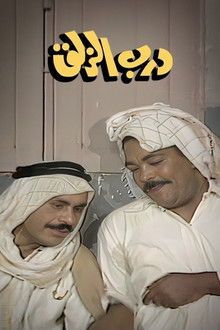
Darb Al-Zalaq
"Darb Al-Zalaq" is a classic Kuwaiti TV series that offers a window into Gulf Arab culture through the comedic and often poignant tale of two brothers, Hussein and Saad. Driven by their desire for quick wealth, they embark on a series of ill-fated business ventures, only to find themselves repeatedly caught in the traps of their own making. Set against the backdrop of a rapidly changing society, the series explores themes of greed, family ties, and the unpredictable twists of fate that are central to Arab storytelling. Through humor and satire, "Darb Al-Zalaq" reflects the challenges of balancing tradition and modernity in the Gulf, making it a cultural touchstone that resonates with audiences across generations.
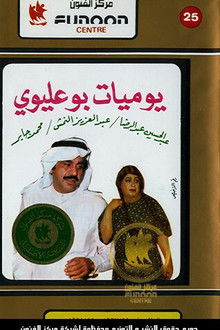
Bu Olaiwy Diaries
In a comedy context, Bou-Aliwi decides to write his memoirs and sits next to him, Um Aliwi, to review what he has gone through in his life and his dealings with those around him, and remember his relationship with his wife and her pregnancy and many of the situations he went through with her.

Fates
"Al-Aqdar" (Fate) is a 1978 Kuwaiti drama that follows Khalifa, a man torn between tradition and change as he considers a second marriage to fulfill his dream of fatherhood. Set amid Kuwait's transformation following the oil boom, the series explores family conflicts and the impact of modernization on personal and generational values.
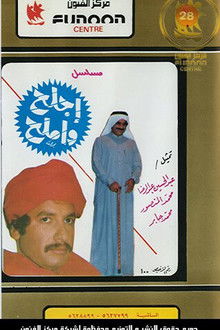
Ajlah Wa Amlah
The series takes place in a form of humor and comedy about the two brothers who are looking for jobs, but have difficulty finding jobs.
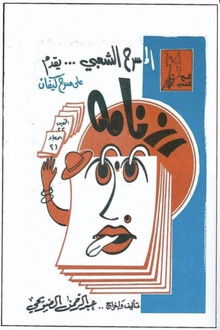
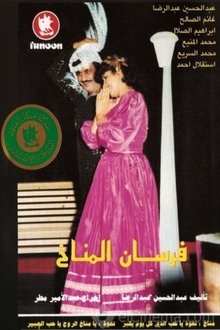
Al-Manakh Knights
The first Gulf economic play centered on an issue that affected members of Kuwaiti society, which sparked widespread controversy between Kuwaiti society and the Gulf community in general, and the issue was the "Al Manakh Market" crisis in 1982, which ended in losses exceeding $ 22 billion. Where the story tells about the second oil boom of the Gulf states at the end of the seventies and the beginning of the eighties of the twentieth century AD where the price of oil increased continuously until the Gulf countries recorded large financial surpluses, so the money poured into the stock market significantly until it opened a stock trading office in a semi-parallel office and was named a market "Al Manakh" in which money flowed greatly from almost all segments of Kuwaiti society and even foreign residents and some individuals from the Gulf states and increased frantic speculation and increased buying and selling for the future until it reached astronomical numbers.

مسرحية انتخبوني

حرامي آخر موديل
يا معيريس
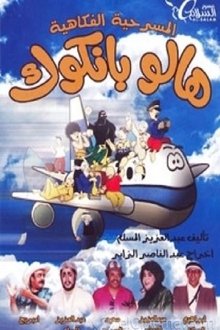
Hello Bangkok
A social comedy play that shows what some young people do when traveling to some countries, where Saleh traveled with his owner - Bo Obaid to Bangkok, lying to his father Bousaleh on the pretext of searching for his son, but the son comes from London as soon as the father goes to the airport Bou Saleh and his grandson travel with the family of Sahib Saleh - Bou Obeid. Upon their arrival, the police in Bangkok arrest the grandson of Abu Saleh, why did the Bangkok police arrest the grandson of Bou Saleh? Is what Saleh said is true?

The Minister’s Wife
Her Excellency the Minister wife , a black comedy that reflects aspects of our bitter reality. There is no doubt that the theatrical drama since the first manifestation of its manifestation until now has not changed the law that Aristotle planned and codified for him, in addition to its dependence on the availability of the requirements of the dramatic conflict whereby he adopted the necessity of events and drew visions through beauty tools The technician is known, however, that the concept of conflict is beginning to change
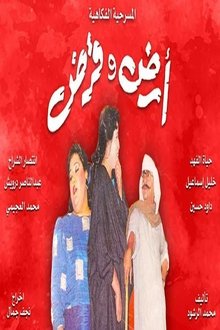
Land and Loan
The events of the play revolve around the housing crisis and the problems that citizens are going through to obtain housing, and the state of some government houses that are distributed to citizens after a period.
سكانه مرته

Vacation
The events revolve around a man who lives an unstable and suspicious life, then it develops and becomes doubtful of everyone around him, causing him great damage to his life and his relationships.