Personal Info
Known For
Gender
Birthday
Place of Birth
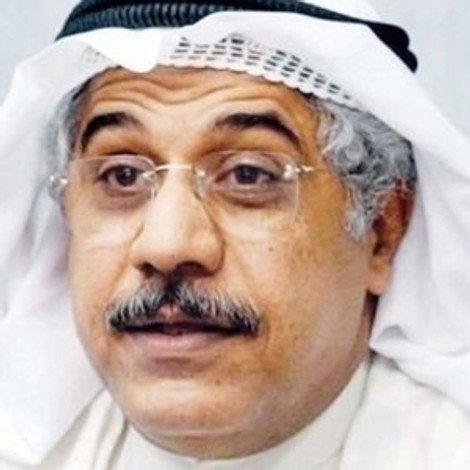
Sulaiman Al-Yaseen
Known for

There was in every time
Kan Fi Kull Zaman is a Kuwaiti anthology drama written by Heba Meshari Hamada and led by the iconic Souad Abdullah, who portrays over ten different characters throughout the series. Breaking away from the traditional 30-episode format, the series presents a collection of standalone stories — each spanning two to four episodes — blending social, political, comedic, and heritage themes drawn from Arab life, delivered in a tone that shifts between light comedy and quiet tragedy.

Ghareeb Al Dar
The events of the series revolve around a wealthy woman named "Ghanima" who is very controlling over her family and her husband, which makes them radically turn against her and leave her alone.

Bait Bioot
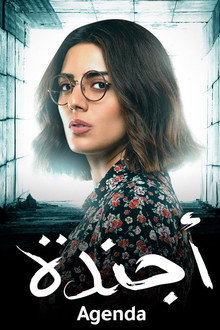
Agenda
In a social drama, the events revolve around two women (Asia and Hajar) who have never met before, but their life circumstances bring them together on the same path and destiny, and each of them faces the same challenges until they can achieve a more promising future Safety and fame.
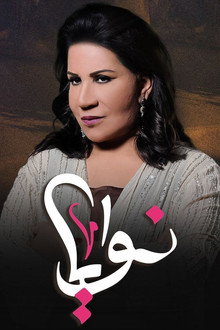
Intentions
Two families, the wealthy Sheikha's family living in luxury and extravagance, and the poor Umm Rakan family with a low standard of living, both migrated from Kuwait to Dubai following the Iraqi invasion of Kuwait in 1990 and lived in a place One until the invasion ended, then they returned to Kuwait and the children of both families became young adults, and Rakan fell in love with Basma.

Exiting the abyss
The events of the series revolve around (Umm Mubarak) who suffers from the injustice and injustice of her husband (Abu Mubarak) and his constant insult to her, and the son (Mubarak) who suffers from the influence of bad friends, through his friend (Nasser), who swept him into the world of gambling and drugs, what will be the fate of that family?

Oh My Brother
Aisha suffers from the intervention of her husband (Abdul Mohsen) in matters of the house after his retirement from work, in light of her attention and care for her children and her work, and her tolerance for the pressures of life, especially after she discovered (Faisal) drug addiction.

Friends for Life
Four friends from different cultural backgrounds come together in one school. Their friendship continues despite all the differences that should make them apart.

High Sky
The events begin in the 1960s, where they deal with the suffering of Kuwaiti women during decades, starting from the 1960s to the current era, through a series of events, especially when the open-minded student Rashid is associated with the girl Sheikha who grew up in a conservative and closed environment, Sheikha begins to go through many transformations in her life, which make her with some tension until she gets used to it.
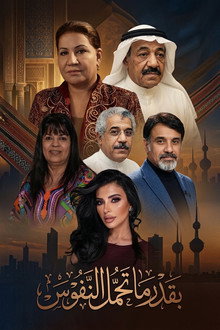
Biqadr ma Tahmil Alnufus
In a social dramatic framework, the series revolves around Saud, who takes over the management of the property of his brothers after the death of their father, and the development of his relationship with his wife Hessa, and his children after his marriage to Manal.

The Sun Shines Twice
A businesswoman who runs her father's companies, suffers some of those who try to defraud her to undermine her wealth, until she discovers that she has a brother from her father, so she looks for him to stand with her.

Party on the Impalement
A Kuwaiti play taken from the tales of One Thousand and One Nights, where it is rumored that at a time when there was a ruler who chose his assistants from incompetent men, they undertook looting, cruelty, and injustice to preserve their positions, so they began to fabricate the charges of the innocent, imprison them and form dangerous centers of power within the state, and the sultan over Unaware of what is going on around him, the play clarifies the real reality that we live in at the present time and because of the corruption that some Arab regimes suffer from corruption practiced by the people chosen by the ruler as assistants who are not qualified to do so.
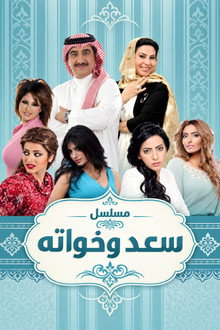
سعد وخواته

Demons of the Friday night
Demons of the Friday night, written by Saqr Al-Rashoud and Abdul Aziz Al-Sorayai, which was presented in 1973 by the production of the Arab Gulf Theater in Kuwait, a play with satirical critical positions that highlights many negatives in society in the form of critical paintings and these positions are the right man, the government routine, and what is going on in Some government ministries and the Kuwaiti employee who works and who do not work, spoke about Article 206, which prohibits the sale of alcohol and the reality of what is happening in hotels, as well as spoke about democracy and the National Assembly elections, Kuwait's political position on Arab and international issues and the shortcomings of the local press.
