
Personal Info
Known For
Gender
Birthday
Place of Birth
Nanako Matsushima
Biography
Known for

Anpan
In wartime Japan, spirited Nobu transforms from a militarist schoolgirl into Kochi’s first female reporter, as she and childhood friend Takashi endure personal loss and struggle to find their own truths amid the upheaval of the Showa era.

Himawari
The story follows Minamida Nozomi, the charming female protagonist whose company's performance deteriorates due to the collapse of the bubble economy and who is forced to quit her job as she is prevented from getting married and starting a family. However, after her younger brother is involved in a theft incident within her family, she decides to become a lawyer. She passed the difficult bar exam and faced the harsh reality of legal training in Fukushima.
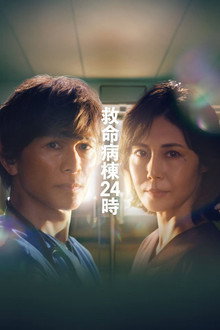
Emergency Room 24 Hours
Dr. Shindo seems cold, but is a competent surgeon. He is also an ER doctor capable of accurate decisions and treatment, who always tries to see things from the patient’s side. Although once retired from his profession, he one day discovers someone in need of help, who he treats and rushes to the Kohoku Medical University Emergency Center. This incident encourages him to once again work as an ER doctor. Confrontation erupts between female doctor Tamaki, and Shindo, now a just-arrived ER doctor. While this human drama depicts the relationships among doctors and nurses, it appeals emotionally to viewers on the subject of life.

Natsuzora
Okuhara Natsu was born in Tokyo in 1937. In 1945, she loses both parents to war and becomes an orphan, but her father’s comrade, Shibata Takeo, takes her in and moves to Tokachi in Hokkaido. In an unfamiliar land surrounded by unfamiliar people, Natsu feels lost at first, but surrounded by Tokachi’s vast nature and its strong, yet compassionate people, she grows up to be a strong girl. When Natsu enters elementary school, she meets Yamada Tenyo who draws lovely pictures of horses. Tenyo tells her that in America, animation in which pictures move is becoming popular, Natsu’s curiosity is piqued. Upon graduating high school, Natsu goes to Tokyo to look up her brother, and takes a jump into the world of animation.
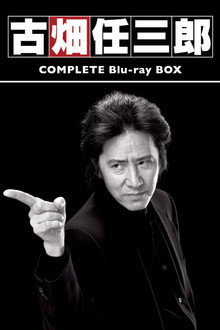
Furuhata Ninzaburo
Furuhata Ninzaburō is a Japanese television series that ran periodically on Fuji Television from 1994 until its final episodes in 2006. It was written by Japanese playwright Kōki Mitani and is often referred to as the Japanese version of Columbo. The series is a police detective drama starring actor Masakazu Tamura as Furuhata Ninzaburo and Masahiko Nishimura as his stereotypically bumbling sidekick, Shintaro Imaizumi. The program aired weekly and featured a guest villain each time, usually a famous talent in Japan. Pop-stars like SMAP, television hosts like Sanma Akashiya and even sports figures like Ichiro Suzuki have been featured on this program. It was one of the most popular television dramas in the history of Japanese television, having spawned several seasons and TV specials.

GTO: Great Teacher Onizuka
Eikichi Onizuka, former gang leader, becomes a teacher of a class of students who torment their teachers and fellow students. Of course they do not do this out of whim, they have their reasons. Onizuka is charged by the chairlady to help these troubled students into a more healthy adulthood, and help rehabilitate the teachers in the process as well.

Ring
A mysterious video has been linked to a number of deaths, and when an inquisitive journalist finds the tape and views it herself, she sets in motion a chain of events that puts her own life in danger.

GTO (2026)
Maverick teacher Eikichi Onizuka takes on a new role at the elite Seishin Academy, where he struggles to connect with students locked to their screens.

Toshiie and Matsu
The 41st NHK Taiga Drama is Toshiie to Matsu. During the turbulent Warring States Era, one man's life and career intertwined with the three great generals of Japanese history-Nobunaga, Hideyoshi, and Ieyasu. With political savvy and the support of his fiercely loyal wife, Maeda Toshiie rose to second in power in the shogunate and built up a fiefdom that encompassed Echizen, Noto and Kaga.

When Marnie Was There
Upon being sent to live with relatives in the countryside due to an illness, an emotionally distant adolescent girl becomes obsessed with an abandoned mansion and infatuated with a girl who lives there - a girl who may or may not be real.

BOYS OVER FLOWERS
Set at a famous high school for the super-wealthy, this is a puppy love story centered on Tsukushi Makino, a poor girl, and the F4 gang of rich kids headed by the rough and fearless Prince Charming, Tsukasa Domyoji.

Lucky Seven
Lucky Seven Rakkīsebun is a 2012 Japanese television drama broadcast by Fuji Television from January 16 to March 19, 2012. It stars Jun Matsumoto and Eita.
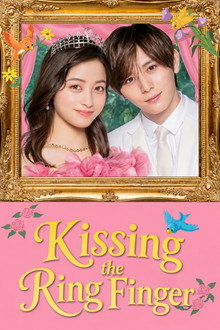
Kissing the Ring Finger
Ayaka, who works at the bridal department at a hotel, has a beauty that everyone recognizes, yet her personality is the worst. Everyone calls her a "wicked woman" after the way she wraps numerous men around her finger. The one who sets his eyes on her is the hotel's new executive Togo, who is the son of a very powerful person of the town. What are the orders that this King-like man requests of her!?

I'm Mita, Your Housekeeper
A family is grieving their mother's recent suicide. They hire Mita as a housekeeper to upkeep the house, which has been thrown into disarray. Mita will do anything that her employer orders her to do, except smiling or revealing her past.