Personal Info
Known For
Gender
Birthday
Place of Birth
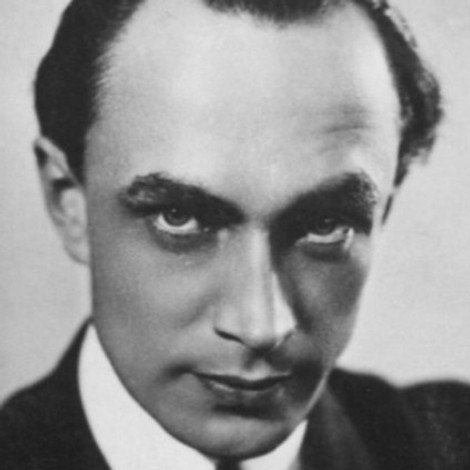
Conrad Veidt
Biography
Known for
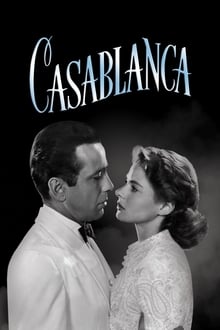
Casablanca
In Casablanca, Morocco in December 1941, a cynical American expatriate meets a former lover, with unforeseen complications.

The Cabinet of Dr. Caligari
Francis, a young man, recalls in his memory the horrible experiences he and his fiancée Jane recently went through. Francis and his friend Alan visit The Cabinet of Dr. Caligari, an exhibit where the mysterious doctor shows the somnambulist Cesare, and awakens him for some moments from his death-like sleep.
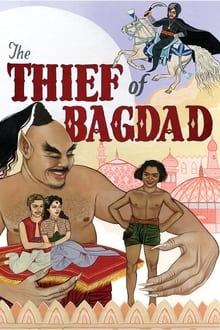
The Thief of Bagdad
When Prince Ahmad is blinded and cast out of Bagdad by the nefarious Jaffar, he joins forces with the scrappy thief Abu to win back his royal place, as well as the heart of a beautiful princess.

Manolescu's Memoirs
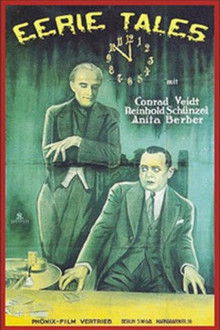
Eerie Tales
A demon, a reaper, and the ghost of a prostitute read gothic short stories and act them out.
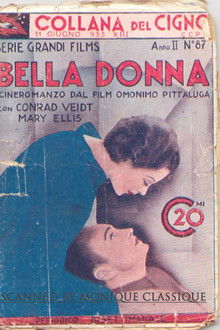
Bella Donna
That old theatrical war-horse Bella Donna (previously filmed in America by Alla Nazimova) was resurrected by Britain's Twickenham Studios in 1934. Conrad Veidt stars as sinister Egyptian Mahmoud Baroundi, who even before the film gets under way has left a long trail of ruined women behind him. His latest victim is American girl Mona Chepstow (Mary Ellis), whom Baroundi treats like dirt and makes her like it. The plot centers around a murder by poison, as evidenced by the film's deliberately exotic title. Critics in 1934 praised newcomer Mary Ellis for underplaying her role, but many film fans preferred Nazimova's arm-waving histrionics in the earlier version.
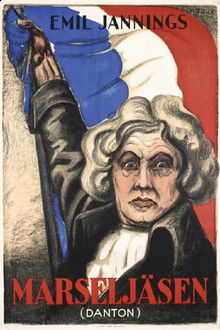
Danton
At the height of Reign of Terror Maximilien Robespierre orchestrates the trial and execution of several of his fellow leading French revolutionaries including Georges Danton.
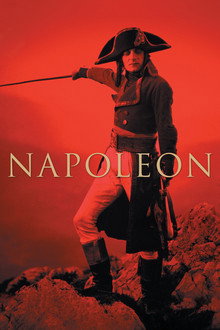
Napoleon
A biopic of former Emperor of France, Napoleon Bonaparte, tracing the Corsican's career from his schooldays (where a snowball fight is staged like a military campaign) to his flight from Corsica, through the French Revolution (where a real storm is intercut with a political storm) and the Terror, culminating in his triumphant 1797 invasion of Italy.
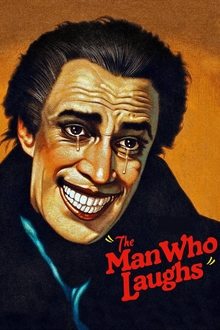
The Man Who Laughs
When a proud noble refuses to kiss the hand of the despotic King James in 1690, he is cruelly executed and his son surgically disfigured.
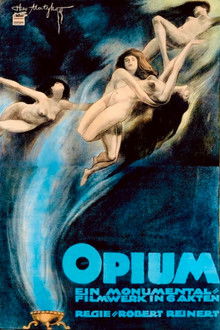
Opium
In China, Professor Gesellius has completed his long research on the many uses of opium. When he is about to return home, he hears about a special variety that produces fabulous sensations because of the way it is made, but can also cause the total destruction of the mind and body of the person who consumes it.
Künstlerlaunen
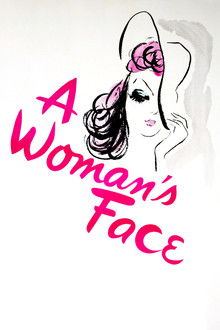
A Woman's Face
A female blackmailer with a disfiguring facial scar meets a plastic surgeon who offers her the possibility of looking like a normal woman.
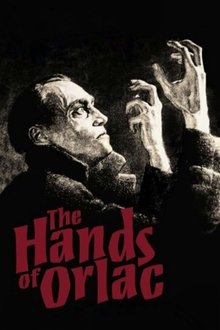
The Hands of Orlac
A world-famous pianist loses both hands in an accident. When new hands are grafted on, he is horrified to learn they once belonged to a murderer.
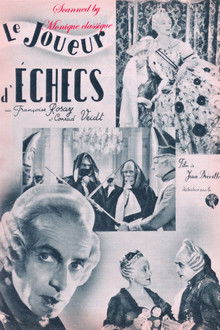
The Chess Player
A toymaker in Poland specializes in building lifesize mechanical men. He builds a chess-playing "automaton" to hide a pretty young Polish activist who is being hunted by occupying Russian forces.
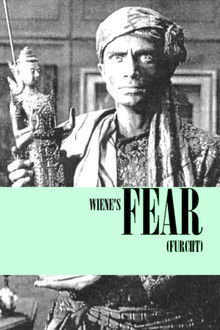
Fear
A millionaire steals an ancient idol causing some natives call upon him a terrible curse.