Personal Info
Known For
Gender
Birthday
Place of Birth
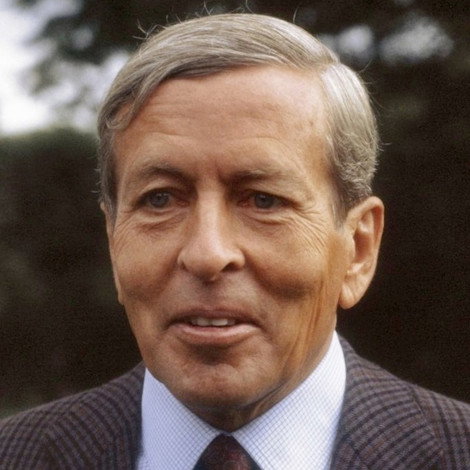
Prince Claus of the Netherlands
Biography
Known for

Prins Bernhard
Experts and people who knew him attempt to get to the heart of his character. Their stories are visually supported by unique and never-before-seen footage from Bernhard's private collection.

Fortuyn: On-Hollands
What does Pim Fortuyn's legacy mean for the Netherlands today? How have his rise and his assassination changed the political and societal debate on migration? And what does that say about Dutch views on tolerance and diversity? In the eight-part KRO-NCRV documentary series Fortuyn: Un-Hollands, producer mint film office gives a voice to people who were barely heard at the time, but who were right at the center of the Fortuyn debate. Critics, political allies and opponents, men and women, with a bicultural background and white, tell how they experienced the Fortuyn revolt and what influence Pim Fortuyn had – and still has – on their lives and positions in the Netherlands.

Suriname - 50 jaar zorg en hoop
Fifty years after independence, Coen Verbraak examines the current state of Suriname and its future. With voices from Suriname and the Netherlands on brain drain, identity, fragile democracy, and the lasting impact of slavery. The role of the Netherlands, departure and return, care, and hope are also addressed.

Willem-Alexander & Máxima
The marriage between Willem-Alexander and Máxima reads like a fairy tale, but one in which love, duty, and public opinion constantly clash. Insiders, close friends, and experts explain how the relationship comes under pressure as soon as private choices have public consequences.

Beatrix
Insiders, close friends, and experts talk about the impressive life of Princess Beatrix: the powerful woman, friend, and mother behind the office.

Tamar: The Truths of Renate Rubinstein
A truthful portrait of one of the Netherlands' most important public intellectuals of the postwar era: Renate Rubinstein.

Uitreiking verzetskruizen
Staatsbezoek Australië
Aankondiging verloving prins Willem-Alexander en Máxima
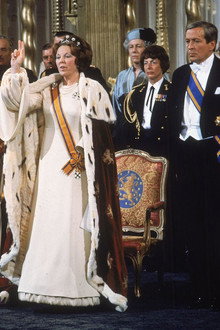
Inauguration of Queen Beatrix
During the succession to the throne in the Netherlands on April 30, 1980, the abdication of Queen Juliana took place in Amsterdam, followed by the inauguration of Beatrix as Queen of the Netherlands.

The World of Polygoon
The history of the Polygoon cinema newsreel is the recent history of The Netherlands and beyond, narrated by the distinctive voice of Philip Bloemendal. Using numerous clips, various individuals involved recount their contributions to the newsreels.
Koningin Beatrix en Prins Claus op de Nederlandse Antillen

Marga Klompé
Portrait of Marga Klompé, former Minister of Culture, Recreation and Social Welfare. Her personal story is interspersed with archival footage of her political career. Klompé talks about her life, being a woman, her Catholic faith, the KVP, her career as Minister of Culture, Recreation and Social Welfare, her (slight) regret about being single, her views on South Africa, nuclear armament, and the misogynistic developments in the Roman Catholic Church.
Uitvoerig verslag bezoek prinselijk paar aan Rusland