
Personal Info
Known For
Gender
Birthday
Place of Birth
Fatima Al-Safi
Known for

Cairo Class
Cairo Class (Dofa'at Al Qahera) is a 2019 Kuwaiti-Egyptian period drama set in 1950s Egypt. A group of Kuwaiti students — mostly women — travel to Cairo to enrol at Cairo University, embarking on a transformative era of art, open-minded ideas, political currents, and extraordinary love stories. The series follows their individual journeys as they navigate romance, ambition, friendship, and self-discovery against the backdrop of a vibrant and culturally rich Cairo.

Thursday's Visit
The events of the series revolve in a comic framework about (Moza) and (Thnayan), the heads of a family, which includes 5 children, who together try to constantly reunite the family through the weekly meeting of the grandparents with their children and grandchildren in (Zuwara), shedding light on the problems that afflict family relations, which It can cause disconnection or strife if not handled wisely.

Lelhob Kalemah
The series discusses the issue of love, and whether love can fix all our mistakes and change our destinies, and love here is not limited to love between men and women, but love in its comprehensive and complete sense, such as the love of parents and love of the homeland, the series also sheds light on many issues that affect the Gulf society in general and the Kuwaiti society in particular.
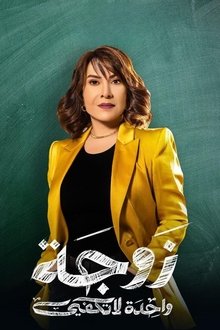
One Wife Is Not Enough
Married to Rasheed with whom she runs a school, Hela thinks she has the perfect husband. Only because she doesn’t know his secret…
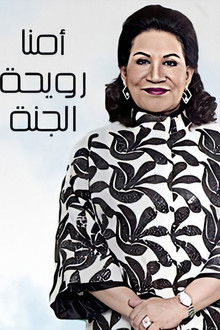
Our Mother the Scent of Paradise
Fatima a mother of seven children, loses her memory at 1983, for thirty years, when she regains her memory she finds out that she don't know her children's whereabouts she sets out to find them with all her power willing to be reunited with them once again and this time forever.
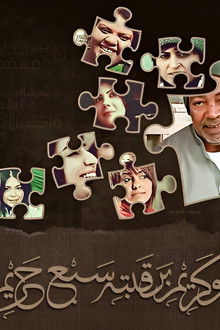
Bou Kareem
The series revolves around the father “Adam” and his seven daughters, who raised them alone after his wife “Karima” left him because she wanted to marry a rich person, so he struggled to raise them alone with his extreme poverty.
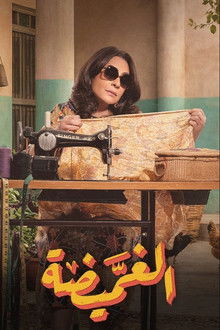
Hide and Seek
In 1970s Kuwait, the blind but fearless Wedad stitches by day and sings behind the veil by night. When tragedy strikes her sister, survival becomes a quest for justice. Huda Hussain leads in a transformative role.
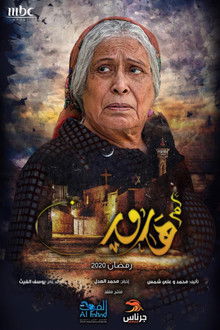
Harun's Mother
Set in the 1940s, the series chronicles the life of Umm Harun, a doctor residing amongst the townspeople in Kuwait and faces numerous challenges, she and her family as well as the Jewish community at large.

Anbar 6
Inspired by true events, the world hidden behind a prison’s walls is revealed through the life stories of three unique women.
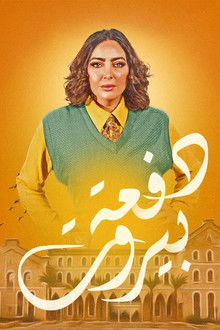
Beirut Class
Beirut, 1964. A cohort of students from across the Arab world converge at the American University of Beirut — each carrying different backgrounds, ideologies, ambitions and private longings. Friendships form, loves blossom and political passions collide against the backdrop of a Lebanon on the cusp of dramatic change. A richly atmospheric period drama praised for its emotional depth and immersive portrayal of Arab student life in one of the most vibrant eras of Beirut's history. Stars Mahmoud Nasr and Natasha Choufani.
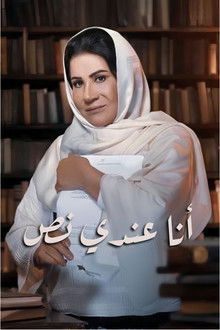
I Have a Script
After the death of a loved one, a woman decides to pursue her passion for writing by penning television scripts.
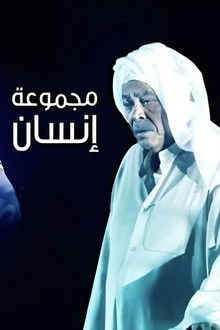
Majmoua Ensan
The events of the series revolve around “Abu Ibrahim” (Saad Al-Faraj), whose house burns and loses all his family, after which he lives a stage of schizophrenia and a painful and poignant life because of his feeling of guilt for what happened.
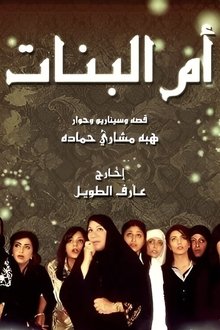
Mother of the Girls
A Kuwaiti mother has six daughters and one son struggling with her daughters after leaving her husband's house to start a new life.

Burkan Naem
When romance is mixed with social issues and problems, it will inevitably express a real reality about love relationships, marriage, divorce, various social and family issues, and the traditions and customs of the surrounding society.
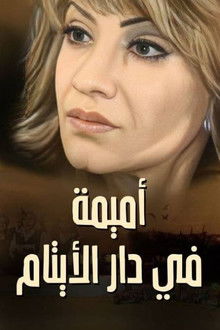
Omaima in the Orphanage
When a thief steals Omaima's car, he finds her child inside and he takes her with him. Omaima's life begins to collapse, as she believes that she has lost her daughter, which makes her devotes her life to supporting the orphans' rights in various care homes.