
Personal Info
Known For
Gender
Birthday
Place of Birth
Kei Satō
Biography
Known for
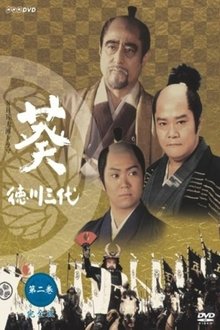
Aoi: Tokugawa Three Generations
The 39th NHK Taiga Drama is Aoi Tokugawa Sandai. It is James Miki's dynamic and colorful tale of three generations of the Tokugawa dynasty--from its founder Ieyasu to Iemitsu, the third Shogun who solidified the Tokugawa power base.

Harakiri
Down-on-his-luck veteran Tsugumo Hanshirō enters the courtyard of the prosperous House of Iyi. Unemployed, and with no family, he hopes to find a place to commit seppuku—and a worthy second to deliver the coup de grâce in his suicide ritual. The senior counselor for the Iyi clan questions the ronin’s resolve and integrity, suspecting Hanshirō of seeking charity rather than an honorable end. What follows is a pair of interlocking stories which lay bare the difference between honor and respect, and promises to examine the legendary foundations of the Samurai code.
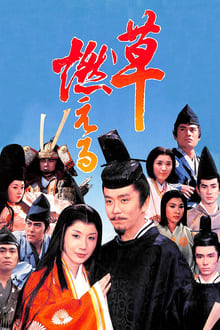

Honmamon
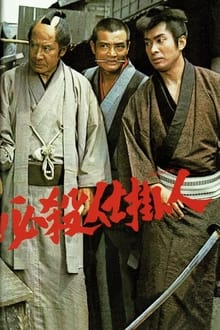
Professional Killers
A shikakenin was an under-the-cover trade that undertook killing in Edo. Hanemon of Otowa, an agency that introduced laborers and maids, was also one of these. Katsugoro Iseya was a timber dealer who had come in as a client. His target was the constructions magistrate Hanno, and the Tatsumiya who sipped on the benefits. Hanemon who had a stong code towards killing, where he would only kill those who do no good to be in the world, accepts this request. Baian Fujieda, a needle doctor would carry out the killing. However, the professional killer Baian fails to bring down Tatsumiya. Hanemon then looks to another shikakenin, the ronin Sanai Nishimura for the role. Although Sanai's ability with the sword is good, he lives poorly in a tenement, and accepts this commission on the condition that it is kept a secret from his wife and child. Here, they close in on Hanno and Tatsumiya again...
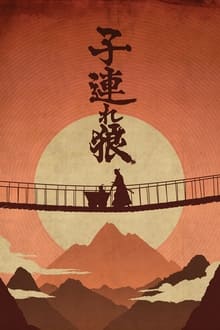
Lone Wolf and Cub
Ogami Itto is a master swordsman who holds a position of high power in the Tokugawa Shogunate. Highly trusted by the Shogun, he serves as the official decapitator, assisting lords and samurai who have been ordered by the Shogun to commit seppuku. One day, Itto’s wife and members of his household are brutally murdered by a clan seeking to avenge their lord’s execution, which had been carried out by Itto. In the wake of the attack, two items are left in Itto’s home: his unhurt infant son, Daigoro, and a symbol meant to signify Itto’s betrayal of the Shogun. Disgraced by the false symbol, Itto is labeled a traitor and forced to forfeit his position. He becomes a ronin, wandering the country with his son, searching for the men who killed his wife, seeking to clear his name and avenge her death.

Pro Hunter
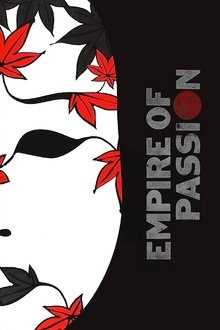
Empire of Passion
A married woman and her lover murder her husband and dump his body into a well, but his ghost returns to haunt them as the local gossip intensifies.
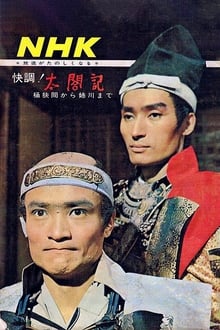
Taikouki
Based on the life of Hideyoshi Toyotomi (February 2, 1537 – September 18, 1598) a Sengoku period daimyo who unified Japan.
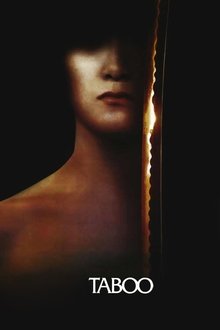
Taboo
Set during Japan's Shogun era, this film looks at life in a samurai compound where young warriors are trained in swordfighting. A number of interpersonal conflicts are brewing in the training room, all centering on a handsome young samurai named Sozaburo Kano. The school's stern master can choose to intervene, or to let Kano decide his own path.
稲垣吾郎の金田一耕助シリーズ

The Human Condition II: Road to Eternity
Kaji, sent to the Japanese army labeled Red, witnesses cruelties in the army and revolts against the abusive treatment against a fellow recruit. He also sees his friend Shinjô defecting to the Russian border, and he ends in the front to fight a lost battle against the Russian tanks division.
The Water Margin
The Water Margin is a Japanese television series based on Water Margin, one of the Four Great Classical Novels of Chinese literature. The novel details the trials and tribulations of 108 outlaws during the Song Dynasty. This adaptation follows Lin Chung and his clashes with the local government official Kao Chiu. The Water Margin is famous for its, sometimes obscure, but memorable philosophical quotes, such as "Do not despise the snake for having no horns,for who is to say it will not become a dragon?""

Kwaidan
Taking its title from an archaic Japanese word meaning "ghost story," this anthology adapts four folk tales. A penniless samurai marries for money with tragic results. A man stranded in a blizzard is saved by Yuki the Snow Maiden, but his rescue comes at a cost. Blind musician Hoichi is forced to perform for an audience of ghosts. An author relates the story of a samurai who sees another warrior's reflection in his teacup.