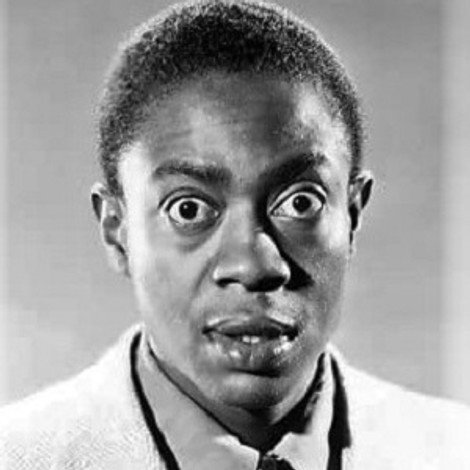
Personal Info
Known For
Gender
Birthday
Place of Birth
Willie Best
Biography
Known for

Racket Squad
Racket Squad is an American TV crime drama series starring Reed Hadley as Captain John Braddock, a fictional detective working for the San Francisco, California Police Department. The show aired in syndication for a season before being picked up by CBS for three seasons. The series was filmed at Hal Roach Studios in Culver City, California, and was sponsored by cigarette manufacturer Philip Morris, hence there was a pack of the sponsor's brand on Braddock's desk at the beginning and end of the episode, as well as occasional scenes of him or other characters "lighting up".

My Little Margie
My Little Margie is an American situation comedy starring Gale Storm and Charles Farrell that alternated between CBS and NBC from 1952 to 1955.

The Stu Erwin Show

Waterfront
Waterfront is an 1954-1955 American series following the adventures of tugboat captain John Herrick, played by Preston Foster.

Vivacious Lady
College town life gets turned upside down after a button-down botany professor secretly weds a sizzling night-club singer.

Virtuous Husband
When a rich young man marries, he lets the books and letters left him by his dead mother guide his life.

Dixie
A young songwriter leaves his Kentucky home to try to make it in New Orleans. Eventually he winds up in New York, where he sells his songs to a music publisher, but refuses to sell his most treasured composition: "Dixie." The film is based on the life of Daniel Decatur Emmett, who wrote the classic song "Dixie."

Blondie
Blondie and Dagwood are about to celebrate their fifth wedding anniversary but this happy occasion is marred when the bumbling Dagwood gets himself involved in a scheme that is promising financial ruin for the Bumstead family.

Night Waitress
Helen Roberts, who's on probation, goes back to work as a waitress at Torre's Fish Palace, a San Francisco waterfront dive. The customers are low characters trying to make time with Helen and ex-rum runners trying to make a dishonest dollar. Some of the latter, including Helen's unwelcome suitor Martin Rhodes, are after a mysterious, valuable hidden "cargo"; when violence erupts, Helen finds herself innocently involved, and is soon on the run from both cops and crooks.

The Ghost Breakers
After intrepid working girl Mary Carter becomes the new owner of a reputedly haunted mansion located off the Cuban coast, a stranger phones warning her to stay away from the castle. Undaunted, Mary sets sail for Cuba with a stowaway in her trunk—wise-cracking Larry Lawrence, a radio announcer who helps Mary get to the bottom of the voodoo magic, zombies and ghosts that supposedly curse the spooky estate.

Hot Tip
An amateur handicapper must help his future son-in-law recoup the money he lost while playing the ponies.

Juke Girl
During the depths of the Great Depression a hitch-hiker Steve Talbot and juke-joint hostess Lola Mears stumble into Cat-Tail Florida where farmers and pickers struggle under the buyer who rules by monopoly, dirty contracts and violence. Steve helps organize against the buyer, leading to further escalation ending in a lynch mob.

Racing Lady
A shrewd millionaire who owns races horses for publicity for his automobile business, claims ownership of a female horse trainer's thoroughbred in order to get the trainer.

Hold That Blonde!
Ogden Spencer Trulow III is a wealthy kleptomaniac who turned to stealing when he was spurned by a girl. His psychoanalyst advises him to find another girl for a cure. He fastens his interest upon Sally Martin, who happens to be engaged in helping some crooks steal a valuable necklace.

High Sierra
Given a pardon from jail, Roy Earle gets back into the swing of things as he robs a swanky resort.