
Personal Info
Known For
Gender
Birthday
Place of Birth
Anita Louise
Biography
Known for
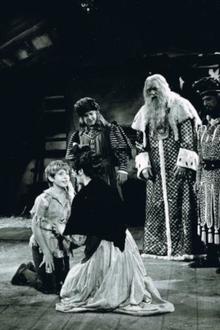
Matinee Theater
Matinee Theater is an American anthology series that aired on NBC during the Golden Age of Television, from 1955 to 1958. The series, which ran daily in the afternoon, was frequently live. It was produced by Albert McCleery, Darrell Ross, George Cahan and Frank Price with executive producer George Lowther. McCleery had previously produced the live series Cameo Theatre which introduced to television the concept of theater-in-the-round, TV plays staged with minimal sets. Jim Buckley of the Pewter Plough Playhouse recalled: When Al McCleery got back to the States, he originated a most ambitious theatrical TV series for NBC called Matinee Theater: to televise five different stage plays per week live, airing around noon in order to promote color TV to the American housewife as she labored over her ironing. Al was the producer. He hired five directors and five art directors. Richard Bennett, one of our first early presidents of the Pewter Plough Corporation, was one of the directors and I was one of the art directors and, as soon as we were through televising one play, we had lunch and then met to plan next week’s show. That was over 50 years ago, and I’m trying to think; I believe the TV art director is his own set decorator —yes, of course! It had to be, since one of McCleery’s chief claims to favor with the producers was his elimination of the setting per se and simply decorating the scene with a minimum of props. It took a bit of ingenuity.
Mannix
Mannix is an American television detective series that ran from 1967 through 1975 on CBS. Created by Richard Levinson and William Link and developed by executive producer Bruce Geller, the title character, Joe Mannix, is a private investigator. He is played by Mike Connors. Mannix was the last series produced by Desilu Productions.

The Steve Allen Show
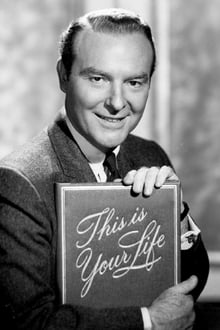
This Is Your Life
This Is Your Life is an American television documentary series broadcast on NBC, originally hosted by its producer, Ralph Edwards from 1952 to 1961. In the show, the host surprises a guest, and proceeds to take them through their life in front of an audience, including special guest appearances by colleagues, friends and family. Edwards revived the show in 1971-72, while Joseph Campanella hosted a version in 1983. Edwards returned for some specials in the late 1980s, before his death in 2005. The show originated as a radio show on NBC Radio airing from 1948 to 1952.
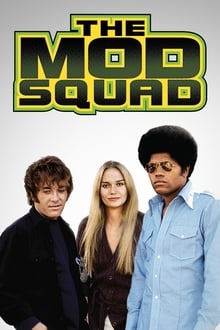
The Mod Squad
The Mod Squad was the enormously successful groundbreaking "hippie" undercover cop show that ran on ABC from September 24, 1968, until August 23, 1973. It starred Michael Cole as Pete Cochren, Peggy Lipton as Julie Barnes, Clarence Williams III as Linc Hayes, and Tige Andrews as Captain Adam Greer. The executive producers of the series were Aaron Spelling and Danny Thomas. The iconic counter-culture police series earned six Emmy nominations, four Golden Globe nominations plus one win for Peggy Lipton, one Directors Guild of America award, and four Logies. In 1997 the episode "Mother of Sorrow" was ranked #95 on TV Guide's 100 Greatest Episodes of All Time.
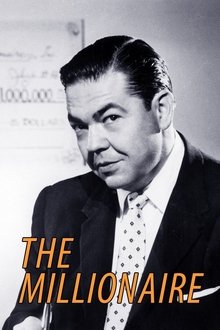
The Millionaire
An anthology series that explored the ways sudden and unexpected wealth changed life for better or for worse. It told the stories of people who were given one million dollars from a benefactor who insisted they never know him, with one exception.

Lux Video Theatre
Lux Video Theatre is an American anthology series that was produced from 1950 until 1959. The series presented both comedy and drama in original teleplays, as well as abridged adaptations of films and plays.
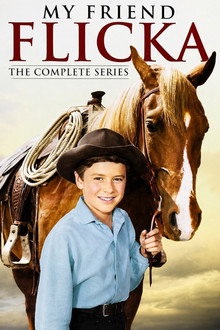
My Friend Flicka
My Friend Flicka is a 39-episode western television series set at the fictitious Goose Bar Ranch in Wyoming at the turn of the 20th century. The program was filmed in color but initially aired in black and white on CBS at 7:30 p.m. Fridays from February 10, 1956, to February 1, 1957. It was a mid-season replacement for Gene Autry's The Adventures of Champion. Both series, however failed in the ratings against ABC's The Adventures of Rin Tin Tin. After the initial Friday airing, viewers could still find the series on CBS Saturdays at 7 p.m. Eastern during March 1957, on Sundays at 6 p.m. from April to May 1957, and on Wednesdays at 7:30 p.m. from June to August 1957. NBC carried the program in color at 6:30 p.m. Sunday from September to December 1957 and at 7 p.m. Sunday from January to May 1958. In subsequent years, the series aired mostly on Saturday mornings on all networks. The Disney Channel ran it on Monday evenings in the mid-1980s. Over the years many viewers were unaware that the series produced episodes for only a single season. My Friend Flicka starred native Canadian Johnny Washbrook as Ken McLaughlin, a boy devoted to his horse Flicka, Swedish for "little girl", but actually an Arabian sorrel named Wahana. Gene Evans played the authoritarian father Rob McLaughlin, a former U.S. Army cavalry officer. Anita Louise was cast as the gentle-spirited mother, Nell. Frank Ferguson portrayed Gus Broeberg, the loyal ranch hand. Flicka is based on a novel by Mary O'Hara, written at the Remount Ranch, located between Laramie and Cheyenne, Wyoming. Some Internet sites say that the series is set in Montana, where some of the filming was done. The majority of the filming, however, was at Fox Movie Ranch. My Friend Flicka holds the distinction of having been the first television series filmed by 20th Century Fox. A 1943 film, My Friend Flicka, starred Roddy McDowall as Ken.
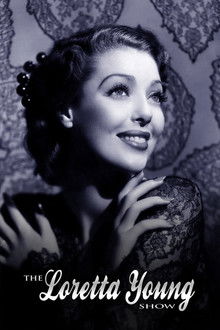
Letter to Loretta
Letter to Loretta is an American anthology drama series telecast on NBC from September 1953 to June 1961 for a total of 165 episodes. The filmed show was hosted by Loretta Young who also played the lead in various episodes. Letter to Loretta was sponsored by Procter & Gamble from 1953 through 1960. The final season's sponsor was Warner-Lambert's Listerine.
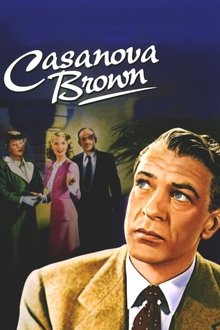
Casanova Brown
Cass Brown is about to marry for the second time. His first marriage, to Isabel, was annulled. But when he discovers that Isabel has just had their baby, Cass kidnaps the infant to keep her from being adopted. Isabel's parents hunt for the child and discover that Cass and Isabel are still hopelessly in love.
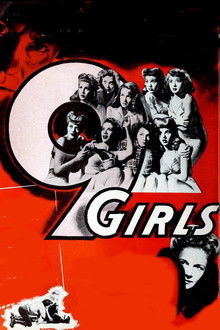
Nine Girls
One of the members of a sorority is found murdered. Although the police are called in to investigate, some of the girls decide to do some sleuthing on their own to unmask the killer.
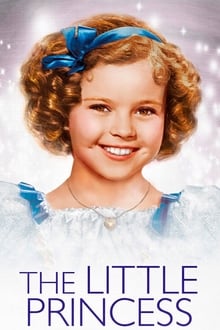
The Little Princess
A little girl goes in search of her father who is reported missing by the military during the Second Boer War.
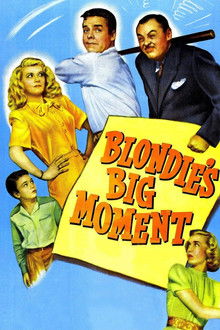
Blondie's Big Moment
Blondie decides she wants to be a star and nearly turns her household upside down in this entry in the long-running domestic comedy series. Dagwood has mixed emotions about his wife's theatrical aspirations and eventually he decides to get her to quit. As usual - disaster ensues.