Personal Info
Known For
Gender
Birthday
Place of Birth
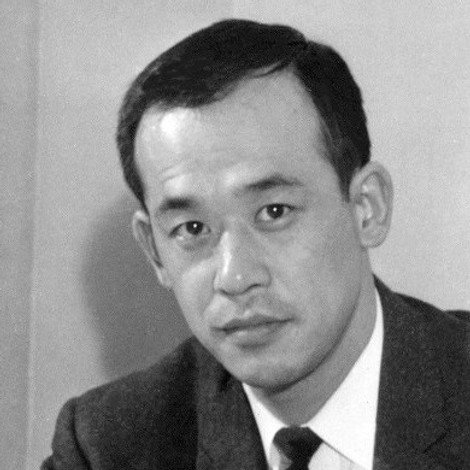
Shigeru Kōyama
Known for

American Playhouse
American Playhouse is an anthology television series periodically broadcast by Public Broadcasting Service in the United States.

Furuya Ikkou's Great Detective Kindaichi Kousuke Series
Furuya Ikkou's Great Detective Kindaichi Kousuke Series
Furuya Ikkou's Great Detective Kindaichi Kousuke Series
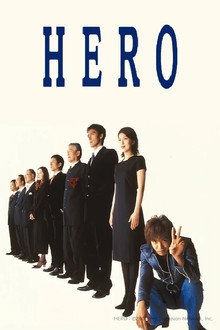
Hero
Former delinquent turned unconventional prosecutor Kohei Kuryu shakes up the legal world with his street-smart instincts and unorthodox style, clashing with ambitious colleague Maiko Amamiya while his relentless pursuit of justice gradually transforms those around him.

Ōgon no Hibi
Luzon Sukezaemon is a merchant who imports vases from the Philippines. The vases are highly valued as tea utensils and he makes a huge profit. This was the first taiga drama to concentrate on the lives of commoners and the reviled merchant class of the Tokugawa period. It documents the rise and fall of the merchant city of Sakai, as seen by its most famous resident, the semilegendary Luzon.

Mission To Kill
Continuation of the popular series of films about the assassins in Edo. This show marks the return of the jidaigeki series "Hissatsu Shigotonin," which has had several seasons between the 1970s and the 1990s. The franchise came back in 2007 with a one-shot special, but this is its first full season since 1992. Makoto Fujita returns as the protagonist Nakamura Mondo, one of the "shigotonin," a team of hired assassins.

Black Rain
Two New York cops get involved in a gang war between members of the Yakuza, the Japanese Mafia. They arrest one of their killers and are ordered to escort him back to Japan. However, in Japan he manages to escape, and as they try to track him down, they get deeper and deeper into the Japanese Mafia scene and they have to learn that they can only win by playing the game—the Japanese way.

Samurai Rebellion
The mother of a feudal lord's only heir is kidnapped by the lord. Her husband and his samurai father must decide whether to accept the unjust decision, or risk death to rescue her.

Psycho Doctor

Kwaidan
Taking its title from an archaic Japanese word meaning "ghost story," this anthology adapts four folk tales. A penniless samurai marries for money with tragic results. A man stranded in a blizzard is saved by Yuki the Snow Maiden, but his rescue comes at a cost. Blind musician Hoichi is forced to perform for an audience of ghosts. An author relates the story of a samurai who sees another warrior's reflection in his teacup.

Tokyo Cinderella Story
Yukiko (Wakui Emi) has been living in Tokyo for three years. Inside her heart, she believes that this beautiful city will certainly bring her happiness. This belief starts to realise one day when she has a chance encounter with Masashi (Karasawa Toshiaki) while welcoming her brother, Kikuo (Kishitani Goro), at a railway station. As Masashi is the son of a very rich businessman, and Yukiko is only an ordinary girl from the countryside, their together is highly obstructed by lots of barriers. However, Yukiko's kind-hearted personality finally wins Masashi's love, and he takes out his courage to turn down marrying his rich fiancee. --Snowflakes

Bayside Shakedown
Aoshima, a police detective working in the Bayside Precinct, is continually frustrated by the hierarchy and red tape that plague the system. His friend Muroi is climbing the ladder of the police bureaucracy. Muroi has made a pact with Aoshima that while Aoshima looks after the streets, Muroi would make life easier for the cops on the beat. One day in Bayside, a series of events turns the small station upside down.

突然の明日

Shogun Iemitsu Secret Journey
Shogun Iemitsu Shinobi Tabi was a pair of television jidaigeki series on TV Asahi in Japan. The first aired in 1990–1991 and the sequel in 1992–1993. Kunihiko Mitamura portrayed Tokugawa Iemitsu in both series. The show premiered on October 13, 1990, as an off-season replacement for the popular Abarenbo Shogun. It shared several cast members with Abarenbo Shogun, including Reiko Takashima, Ayako Tanaka and some minor guest actors. The final episode aired on March 30, 1991. The sequel ran during the same months of 1992–1993.