
Personal Info
Known For
Gender
Birthday
Place of Birth
Juan Lombardero
Known for

La que se avecina
La que se avecina is a Spanish television comedy created by Alberto Caballero, Laura Caballero and Daniel Deorador. The TV-series focusing around the inhabitants of Mirador de Montepinar, a fictional building located on the outskirts of a big city. Both its storylines and cast are heavily based on Aquí no hay quien viva, which ended when Telecinco bought Miramón Mendi, the series production company. The episodes debuted on the Telecinco network, and were later rerun by the same network as well as cable/satellite channels FactoríaDeFicción and Paramount Comedy. The series debuted in 22 April 2007 and became popular thanks to its funny characters, witty script, use of catchphrases and capacity to integrate and poke fun at contemporary issues; the program presents a caustic satire of many of the 'types' found in Spanish society. The name of the show involves wordplay, as "vecina" is the Spanish word for neighbour.

Velvet
In 1950s Spain, the heir to a fashion house romances a beautiful seamstress who works for the company, despite the objections of his family.
Dogtanian and the Three Muskehounds
France, 17th century, under the reign of Louis XIII. Dogtanian is an impetuous and innocent peasant from Gascony, as well as a skilled swordsman, who travels to Paris with the purpose of making his dream come true: to join the Corps of Muskehounds of the Royal Guard.
Colegio Mayor

Headless Chickens
In a recognizable world of madness, the world of elite soccer, young footballers become rich and famous overnight with little idea of how to manage it, and cheeky people try to make a living out of it.

Women on the Verge of a Nervous Breakdown
After being dumped by her lover, Pepa finds her life and the lives of those around her spiraling out of control in a deliciously chaotic series of events.

Little Faith
A comedy of manners that follows the daily miseries and constant micro-humiliations suffered by José Ramón and Berta, a married couple in whom no one, not even they themselves, has much faith.
El buscón
XVII century Spain. Don Pablo tries to climb position and falls into the hands of students, rogues, whores, fake skilled, executioners, jailers and comedians. Based on "The Buscón called Pablos" Francisco de Quevedo.

El libro del buen amor
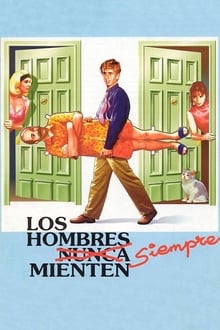
Los hombres siempre mienten
When Martin is about to be expelled from some literature courses, an unexpected event gives a turn to his uncertain future as a writer. Taking advantage of the absence of his neighbor, a consecrated novelist who entrusts him with the care of his cat, Martín steals his identity and some pages of his latest novel, presented in the school as a result of his own work. As a result of this, the teacher congratulates him publicly and the girl he is in love begins to look at him with different eyes.
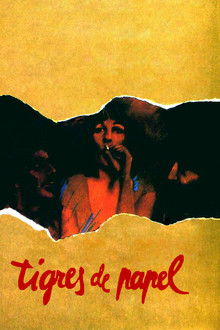
Paper Tigers
Spain, 1977. The first general elections are about to take place after the long dictatorship and the progressive environment of Madrid is easily palpable. Protagonists, Carmen and Juan were once married and now living separately, both have a child. It's one of the only reasons they maintain cordial to one another. Their separation, the political context and the contradictions of the progressives of the time will not defeat the affinity between the two.
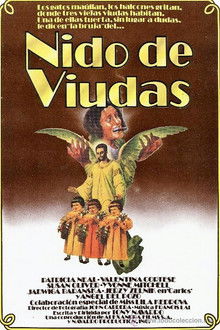
Widows' Nest
The arrival of some unwanted visitors interrupts the peaceful Cuban home life of sisters Dolores, Carmen and Elvira, as their presence stirs up unwelcome memories.
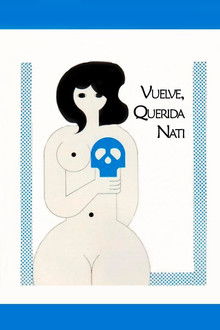
Vuelve, querida Nati
Doña Nati, the owner of a house of prostitutes, takes a little vacation to attend his niece's first communion in the village. She is accompanied on the trip by three of his pupils: Barbara, Mercedes and Eva who pretend to be her friends. But soon, men realize what they are and begin to try to flirt with them. Doña Nati makes a splendid gift to the people and thus wins the favor of its inhabitants.
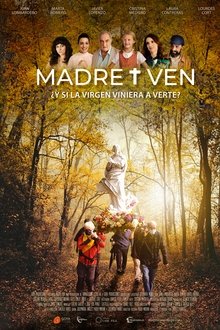
Mother with Us
In the midst of the COVID-19 post-pandemic, an image of Mary Immaculate traveled 10,800 kilometers over six months through much of the country.