Personal Info
Known For
Gender
Birthday
Place of Birth
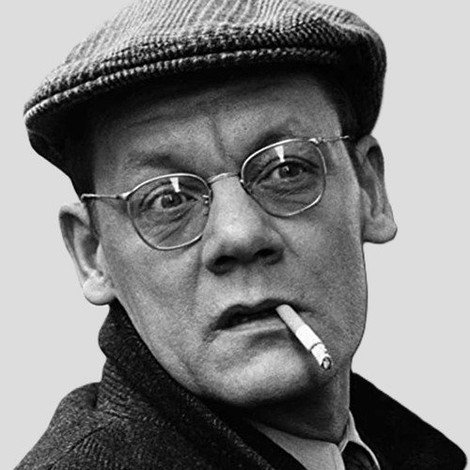
Günter Meisner
Biography
Known for

Scene of the Crime
Tatort is a long-running German/Austrian/Swiss crime television series set in various parts of these countries. The show is broadcast on the channels of ARD in Germany, ORF in Austria and SF1 in Switzerland.
Scene of the Crime
Tatort is a long-running German/Austrian/Swiss crime television series set in various parts of these countries. The show is broadcast on the channels of ARD in Germany, ORF in Austria and SF1 in Switzerland.

Großstadtrevier
Follow the everyday work of a fictional police station on the Kiez of Hamburg.


Das Kriminalmuseum
Das Kriminalmuseum was a German television series. It ran from 1963 to 1970 on ZDF and was one of its first programs. Each episode began with a tracking shot through an unspecified crime museum, stopping at one of the displays, whose story was then told. Each episode was between 60 and 75 minutes long and featured different actors as the criminal commissioner. The best known was Erik Ode, who in 1969 moved to Der Kommissar, appearing in 97 episodes. The theme music of the series was written by German composer Martin Böttcher, who also composed the complete scores for five episodes.

Willy Wonka & the Chocolate Factory
When eccentric candy man Willy Wonka promises a lifetime supply of sweets and a tour of his chocolate factory to five lucky kids, penniless Charlie Bucket seeks the golden ticket that will make him a winner.

The Winds of War
Against the backdrop of world events that led to the Japanese attack on Pearl Harbor in 1941, Victor 'Pug' Henry is a career naval officer who, along with his family, learns to navigate the waters of his dangerous times in the late 1930s.
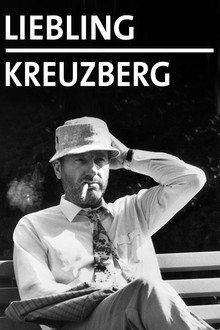
Liebling Kreuzberg
Liebling Kreuzberg was a television series on ARD, which was sent in five seasons with a total of 58 episodes the first time from 1986 to 1998. The scripts of seasons one through three and five were from Jurek, of his friend Manfred Krug wrote the role of idiosyncratic Berlin attorney Robert favorite on the body, the fourth season was written by Ulrich Plenzdorf. Director Heinz Schirk, Werner Masten led and Vera Loebner. Producing Series transmitters were the SFB, the NDR and WDR. The music of the first season was. Hans-Martin Majewski, in the later seasons of Klaus Doldinger.

The Tin Drum
In 1924, Oskar Matzerath is born in the Free City of Danzig. At age three, he falls down a flight of stairs and stops growing. In 1939, World War II breaks out.

Direktion City


Night Crossing
Two men want to escape from East Germany (under Communist rule) but they will only go if they can take their families with them. Based on a true story.

Silas
Silas was a 1981 ZDF Adventure TV mini-series based on the Danish children's book „Silas og den sorte hoppe“ by Cecil Bødker who kept on writing instalments until 2001. The series was Patrick Bach's debut and because the series did so well he also starred the very next year in another adventure series about a young orphan: Jack Holborn Silas was a German production and filmed solely in German. Still it received attention beyond German-speaking countries and consequently the successor Jack Holborn involved international producers and was filmed in English.
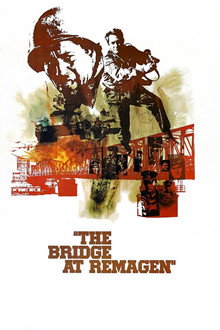
The Bridge at Remagen
In March of 1945, as the War in Europe is coming to a close, fighting erupts between German and American troops at the last remaining bridgehead across the Rhine.

Is Paris Burning?
Near the end of World War II, General Dietrich von Choltitz receives orders to burn down Paris if it becomes clear the Allies are going to invade, or if he's unable to maintain control of the city. After much contemplation, Choltitz ignores orders, enraging the Germans and giving hope to various resistance factions that the city will be liberated. Choltitz, alongside Swedish diplomat Raoul Nordling, helps a leader organise his forces.