
Personal Info
Known For
Gender
Birthday
Place of Birth
Hoàng Yến
Biography
Known for

Dumb Luck
The sexually repressed widow Doan comes to play tennis in the court where sly, lewd orphan Xuan (nicknamed Red-haired Xuan for his sunburnt hair) is working as a ball boy. Their encounter that day would change Xuan’s life forever, as the widow introduced him to an entirely different world of the hypocritical and decadent petite bourgeoisie class, a condition of “Westernized” middle-class Hanoians under French colonial rule in the 1920s. An 8-part series adapted from Vu Trong Phung’s classic satire.
Criminal Investigation Department
The first VIetnamese TV series on the subject of criminal police and the confrontation between the police force and criminal groups.
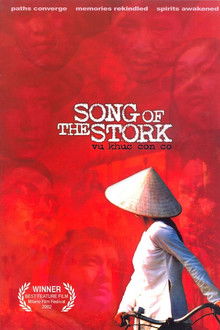
Song of the Stork
A story about young men who had to go war to protest their country. Each of them has his own story.
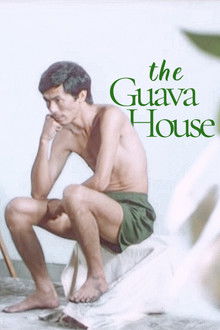
The Guava House
A mentally challenged man spends his days working as an artist's model and visiting the now-occupied house of his childhood, where his beloved guava tree sits.
Đi qua bóng tối
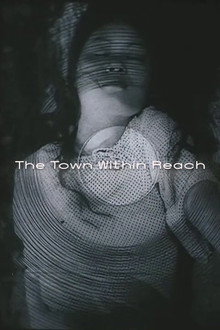
The Town Within Reach
At the close of the Sino-Vietnamese border war, a journalist travels to Lạng Sơn in northern Vietnam—the hometown of his former girlfriend—to report on the situation there.
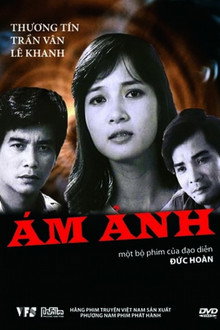
The Best Groom
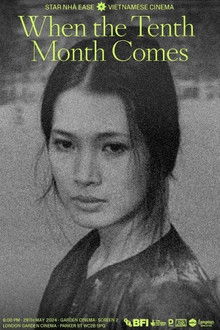
When the Tenth Month Comes
In the final days of the war, Duyên faces a daily struggle to take care of her young son and ailing father-in-law, all the while hiding from them the fact that her husband has recently been killed in battle.
The Part of Life I Want to Forget
Unspeakable
The Saving
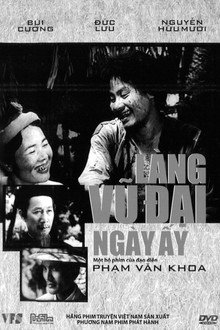
Once Upon a Time in Vu Dai Village
Thứ, a teacher in an impoverished village of French occupied Vietnam, witnesses the daily tragedies and hardships his neighborhood has to endure. A joint adaptation of three of Nam Cao's classic works: the short stories "Chi Pheo", "Old Hạc" (Lão Hạc) and the novel "Corroded Life" (Sống mòn).
The Girl and the Driver
Phuong and Tiem are childhood friends; therefore they understand and in harmony with each other. However, they still have conflict about Tiem's job as a driver, especially, when Phuong follows Tiem on a trip.
Return to the Sedge Fields
Discharged from the Army after losing an arm in the battlefield, Lê Vân returns home. He seeks to help rebuild it, but realises that a life spent fighting has made him disconnected from the villagers and their ideas.