
Personal Info
Known For
Gender
Birthday
Place of Birth
Gloria Muñoz
Known for
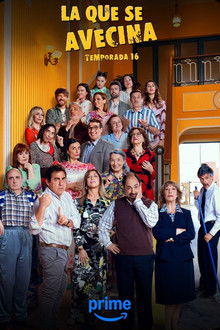
La que se avecina
La que se avecina is a Spanish television comedy created by Alberto Caballero, Laura Caballero and Daniel Deorador. The TV-series focusing around the inhabitants of Mirador de Montepinar, a fictional building located on the outskirts of a big city. Both its storylines and cast are heavily based on Aquí no hay quien viva, which ended when Telecinco bought Miramón Mendi, the series production company. The episodes debuted on the Telecinco network, and were later rerun by the same network as well as cable/satellite channels FactoríaDeFicción and Paramount Comedy. The series debuted in 22 April 2007 and became popular thanks to its funny characters, witty script, use of catchphrases and capacity to integrate and poke fun at contemporary issues; the program presents a caustic satire of many of the 'types' found in Spanish society. The name of the show involves wordplay, as "vecina" is the Spanish word for neighbour.
Bajo sospecha
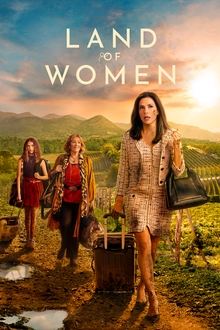
Land of Women
Gala is a New York City socialite on the run in a quaint Spanish town with her mother and daughter. Gala's new life brings her into the path of a brash but charming winery owner—and a deep well of family secrets.

Bitter Christmas
During a long December holiday weekend, a woman, whose mother has recently died, throws herself into work as a form of escape. Her relentless pace is interrupted when a panic attack forces her to take a break.
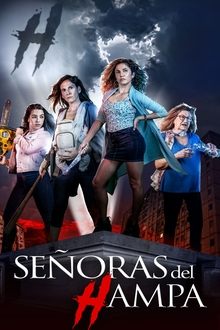
Dangerous Moms
Four women will have to deal with the problems of their daily lives, while trying to hide a dark secret that will make their whole world reel.

El síndrome de Ulises
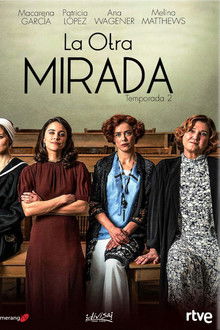
A Different View
Things change massively at a girls' school in 1920s Sevilla when a new teacher arrives with a secret goal related to the academy itself.

Besos al aire
Eight interlinked stories of lockdown love sparked during Spain’s first national lockdown during the pandemic.
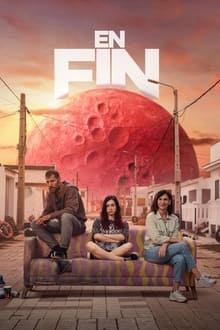
En Fin
After the Apocalypse doesn't happen, Tomas tries to recover his past life, with little success, while Julia sees in the Non-End of the World a second chance to change her life. Their paths, opposites, will have to converge in the only thing that unites them right now: their daughter Noa.

Crónicas urbanas

Año Mariano

The Flower of My Secret
Middle-aged romance author Leo writes under a pseudonym, since she despises her own work. At home, her husband, who works overseas, is distant both physically and emotionally. As she reevaluates her life and writing, Leo is led to an unexpected relationship with Ángel, a sensitive newspaper editor.
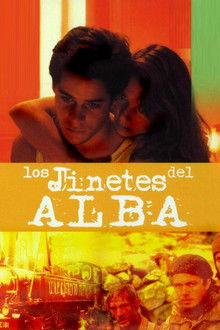
Los jinetes del alba
The inhabitants of Las Caldas, a village in Asturias, in northern Spain, whose life revolves around a sumptuous spa, trace complicated personal relationships while the whole country is inexorably heading towards revolution and civil war.
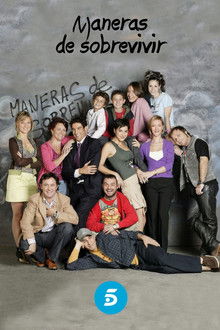
Maneras de sobrevivir
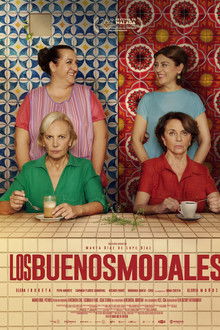
Good Manners
Manuela and Rosario are two sisters who, after years of not speaking because of a family secret, find each other unexpectedly in the birthday party of their grandchildren. The kids have met thanks to their nannies, Trini and Milagros, best friends and neighbours. When they discover the conflict that separates the children, the nosy housekeepers will try, clumsily, lovingly and through silly shenanigans, to reconcile the families.