Personal Info
Known For
Gender
Birthday
Place of Birth
Rosalie Varda
Biography
Known for
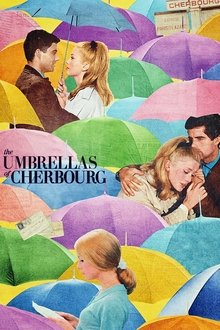
The Umbrellas of Cherbourg
This simple romantic tragedy begins in 1957. Guy Foucher, a 20-year-old French auto mechanic, has fallen in love with 17-year-old Geneviève Emery, an employee in her widowed mother's chic but financially embattled umbrella shop. On the evening before Guy is to leave for a two-year tour of combat in Algeria, he and Geneviève make love. She becomes pregnant and must choose between waiting for Guy's return or accepting an offer of marriage from a wealthy diamond merchant.
Viva Varda !
A pioneering post-war female film director, an instigator of the New Wave who was honored by Hollywood in her own lifetime, Agnès Varda has become a source of inspiration for a whole new generation of young filmmakers. With movies like Cléo de 5 à 7, Le Bonheur, Sans toit ni loi, Les Glaneurs et la glaneuse, she created a quirky, open to the world, sensitive to the disenfranchised, often silly body of work. Always one finger on the pulse, she shook everything up, including cinema itself which she refused to constrict to pure fiction or long-form films.
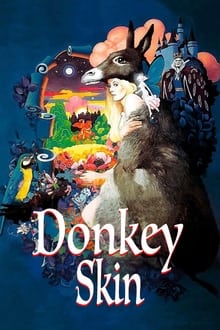
Donkey Skin
A fairy godmother helps a princess disguise herself so she won't have to marry her father.
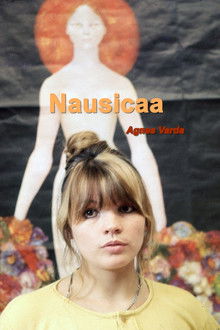
Nausicaa
A girl, whose father is from Greece, studies ancient art in France. The film was made for television but never broadcast for political reasons related to its portrayal of Greeks. A work print was screened in Belgium in 1971, and the film is now available in reconstructed form.
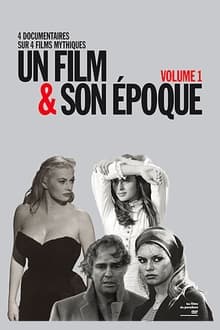
Un film et son époque
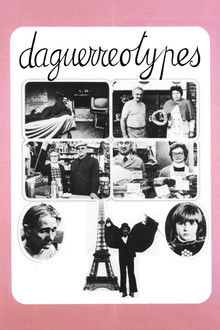
Daguerréotypes
An intimate portrait of the small shops and shopkeepers of the Rue Daguerre in Paris, a picturesque street that has been the filmmaker’s home for more than 50 years.
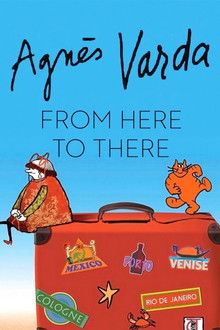
Agnès Varda: From Here to There
Agnès Varda takes us on a journey of discovery as she travels the globe—from Stockholm to St. Petersburg, Lisbon to Rio de Janeiro, Mexico City to Los Angeles—meeting with friends, artists, and fellow filmmakers.
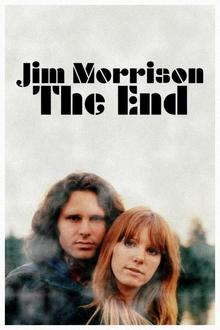
Jim Morrison: The End
Paris, Rue Beautreillis, July 3, 1971. The corpse of rock star Jim Morrison is found in a bathtub, in the apartment of his girlfriend Pamela Courson. The chronicle of the last months of the life of the poet, singer and charismatic leader of the American band The Doors, one of the most influential in the history of rock.
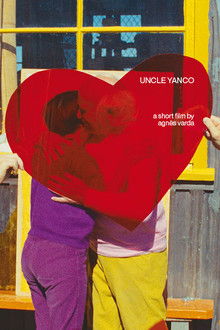
Uncle Yanco
While in San Francisco for the promotion of her last film in October 1967, Agnès Varda, tipped by her friend Tom Luddy, gets to know a relative she had never heard of before, Jean Varda, nicknamed "Yanco". This hitherto unknown uncle lives on a boat in Sausalito, is a painter, has adopted a hippie lifestyle and loves life. The meeting is a very happy one.
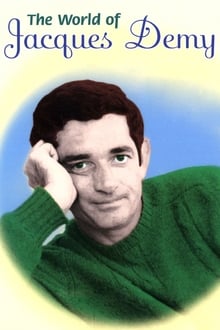
The World of Jacques Demy
Agnès Varda's documentary portrait of her late husband, Jacques Demy. A companion piece to her Jacquot de Nantes.
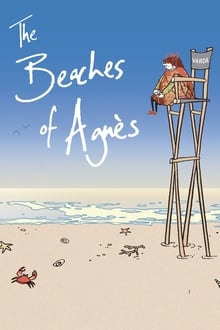
The Beaches of Agnès
Filmmaking icon Agnès Varda, the award-winning director regarded by many as the grandmother of the French new wave, turns the camera on herself with this unique autobiographical documentary. Composed of film excerpts and elaborate dramatic re-creations, Varda's self-portrait recounts the highs and lows of her professional career, the many friendships that affected her life and her longtime marriage to cinematic giant Jacques Demy.
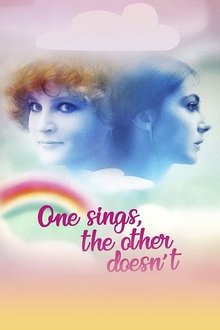
One Sings, the Other Doesn't
The intertwined lives of two women in 1970s France, set against the progress of the women's movement in which Agnes Varda was involved. Pomme and Suzanne meet when Pomme helps Suzanne obtain an abortion after a third pregnancy which she cannot afford. They lose contact but meet again ten years later. Pomme has become an unconventional singer, Suzanne a serious community worker - despite the contrast they remain friends and share in the various dramas of each others' lives, in the process affirming their different female identities.

Les deux femmes du Bonheur
In this 2006 program by Agnès Varda, her daughter, Rosalie Varda, reunites Claire Drouot and Marie-France Boyer to discuss their roles in the controversial film 'La bonheur' forty-one years earlier.
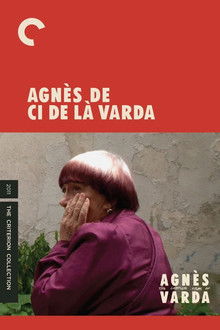
Agnès Varda: From Here to There
Agnès Varda travels around the world to meet friends, artists and filmmakers for an expansive view of the global contemporary art scene.