Personal Info
Known For
Gender
Birthday
Place of Birth
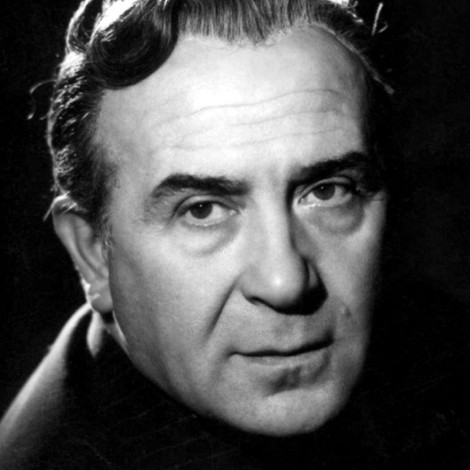
Luigi Pavese
Known for

The Count of Monte Cristo
Imprisoned on a trumped-up charge by enemies he cannot identify, Edmond Dantès vows revenge - which takes him twenty-five years to achieve.

Finalmente sì

Totòtruffa '62
Antonio, a former variety actor, keeps his daughter in an excellent boarding school by organizing small scams with his friend and colleague Felice. Commissioner Malvasia good-naturedly persecuted him. When their respective unsuspecting children fall in love, the two fathers make peace.

David Copperfield
A young man journeys from a difficult childhood to maturity, exploring social injustice, personal development, and the complexities of human relationships.

Spiaggia libera

Il nemico

The Cheerful Squadron
The Cheerful Squadron is a 1954 Italian war-comedy film directed by Paolo Moffa and Interpreted by movie stars like Paolo Stoppa, Vittorio De Sica, Alberto Sordi and Silvana Pampanini. Based on the military environment novel The Allegro Squadron by Georges Courteline (1886), this film presents a series of sketches on military life in the late nineteenth century.

L'uomo del romanzo

Mina... fuori la guardia
A famous singer is drafted and gets the occasion of getting rid of his annoying girlfriend. He falls in love with a young student who finds out she is a singer herself.

La Cittadella
La Cittadella is a 1964 Italian miniseries based on A. J. Cronin's 1937 novel, The Citadel, and produced by Radiotelevisione Italiana. It was directed by Anton Giulio Majano and stars Alberto Lupo as Dr. Manson and Anna Maria Guarnieri as his wife, Christine. Other television versions include an American, another Italian, and two British adaptations.

Toto, Fabrizi and the Young People Today
A boy and a girl fall in love but their fathers take a strong dislike to each other, clashing repeatedly during the preparations for the upcoming marriage.

I peggiori anni della nostra vita

Lo scocciatore
A bored civil servant accepts an invitation to visit a glamorous young lady. When she doesn't answer the door, then is later found murdered he panics!

May God Forgive You... But I Won't
While Cjamango is away from his ranch, bandits attack and kill his family. Disrupted by this tragedy, he sets out to take his revenge, helped by a Mexican who has seen the bandits. The writer of the western Cjamango directed this unofficial sequel to Cjamango.

Figaro qua... Figaro là
In the 18th century, Figaro the Sevillian barber is likely to be arrested because he operates his shop on Sundays, which is forbidden.