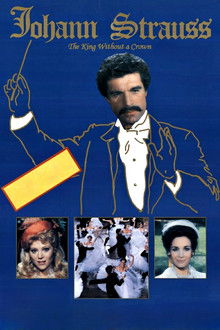
Personal Info
Known For
Gender
Birthday
Place of Birth
Dorit Gäbler
Known for

In All Friendship
German soap opera about the staff of the fictional hospital "Sachsenklinik" in the city of Leipzig.
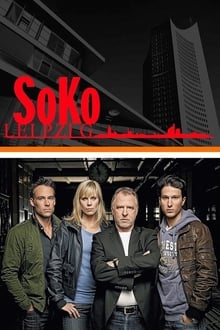
Leipzig Homicide
SOKO Leipzig is a German police procedural television programme, a spin-off of the earlier German police programme SOKO 5113. It was first broadcast on 31 January 2001, on German television channel ZDF. On 12 November 2008, the first part of a two-part crossover between SOKO Leipzig and British police procedural The Bill was aired, with the same version being shown on both ZDF and British television channel ITV1.

Polizeiruf 110
Polizeiruf 110 is a long-running German language detective television series. The first episode was broadcast 27 June 1971 in the German Democratic Republic, and after the dissolution of Fernsehen der DDR the series was picked up by ARD. It was originally created as a counterpart to the West German series Tatort, and quickly became a public favorite.

Riverboat
Der Staatsanwalt hat das Wort
Der Staatsanwalt hat das Wort was an East German television series.

Ein Kessel Buntes
The show was meant to compete with those on West German television. To this end it was fairly successful even attracting a following in parts of West Germany which could receive Eastern TV. Its production values were high. Apart from song and dance numbers and appearances from East German celebrities, almost every broadcast featured well-known stars from the west, often after their popularity had peaked in their home countries.
Ein roter Teppich für....
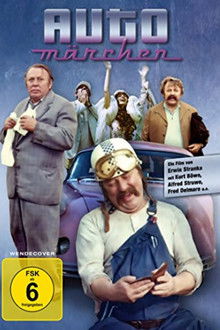
Automärchen
This quirky episodic comedy weaves together three plotlines centered around the employees of a car garage, with some unexpected fairytale elements to get things moving. A woodland fairy convinces shy bookkeeper Piel to suddenly start driving his Trabi far above the speed limit. Manager Neumann sells his soul to a black cat in order to purchase a more respectable vehicle. And a spirit named "Car Accident" offers to warn owner Sengebusch about upcoming traffic accidents so he can make money by always being the first on the scene.
Claire Berolina
Berlin in the golden 20s. Like no other, the singer and cabaret artist Claire Waldoff found the right words for what the so-called “little people“ thought and felt. Her heartfelt songs with heart and snout triggered storms of enthusiasm and made Claire Waldoff famous. Kurt Tucholsky gave her the nickname "Sparrow of Berlin". With the beginning of the 1930s and the Nazi regime in Germany, the popularity of the Berlin original declined.
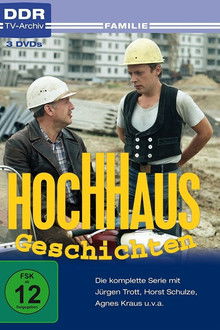
Hochhausgeschichten