
Personal Info
Known For
Gender
Birthday
Place of Birth
Camilla Spira
Biography
Known for
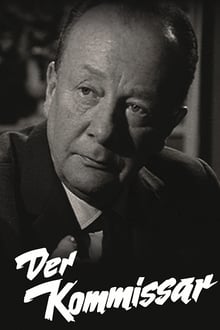
The Commissioner
Der Kommissar is a German television series about a group of detectives of the Munich homicide squad. All 97 episodes, which were shot in black-and-white and first broadcast between 1969 and 1976, were written by Herbert Reinecker and starred Erik Ode as Kommissar Herbert Keller. Keller's assistants were Walter Grabert, Robert Heines, and Harry Klein who, in 1974, was replaced by his younger brother Erwin Klein.

Liebe
Anna falls madly in love with an Italian violinist, who instead marries her sister Monika.

Curd Jürgens erzählt...
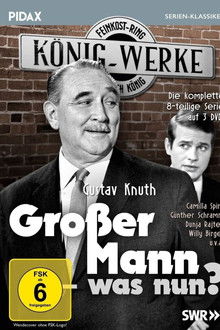
Großer Mann, was nun?

The Testament of Dr. Mabuse
After a detective is assaulted by thugs and placed in an asylum run by Professor Baum, he observes the professor's preoccupation with another patient, the criminal genius Dr. Mabuse the hypnotist. When Mabuse's notes are found to be connected with a rash of recent crimes, Commissioner Lohmann must determine how Mabuse is communicating with the criminals, despite conflicting reports on the doctor's whereabouts, and capture him for good.

Film Emigration from Nazi Germany
Based on extensive interviews, shot on 16mm in a series of static long takes, Filmemigration aus Nazideutschland, is one of the most fascinating examples of "Film history on film" ever produced. Straschek devoted years to researching the topic and accumulating both film and non-film materials. Apart from some radio features and articles, however, this 290-minute TV programme remains the only published trace of Straschek's lifelong work on the emigration of film personnel. He had intended to publish a three-volume book, encompassing all available data about 3,000 emigrants originating from the centre and peripheries of film production, but the book never materialised.
Die Powenzbande
Das Jahrhundert des Kabaretts
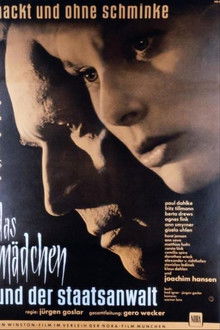
Das Mädchen und der Staatsanwalt
A mother is sentenced to one year in prison for matchmaking her underage daughter with her adult boyfriend.
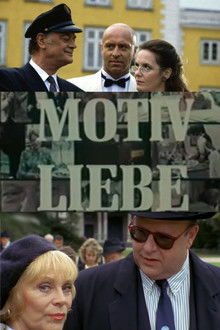
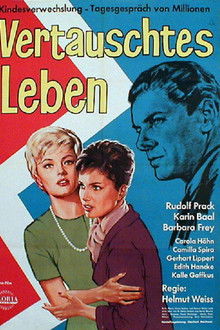
Vertauschtes Leben
The mistake of two infants on a night of bombing during World War II plunged their families into grief and conflict 18 years later, when both girls were marriageable.
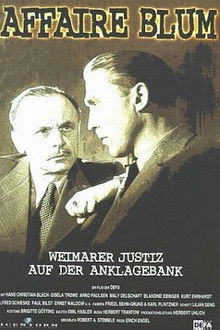
Affäre Blum
The action takes place in a central German town in the 1920s. A Jewish factory owner is accused of murdering his accountant. The German nationalist investigating judge, who is determined to have a Jewish perpetrator, still sees Blum as the perpetrator even when evidence of the actual murderer, a former Freikorp fighter, is found. The Social Democratic court president from Berlin sends a criminal investigator to tear apart the judge's chain of evidence.
Mauern
Gestern bei Müllers