
Personal Info
Known For
Gender
Birthday
Place of Birth
Dragoslav 'Dragan' Nikolić
Biography
Known for

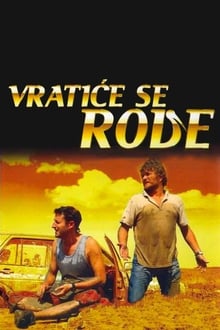
The Storks Will Return
It follows the two lead characters, Svaba and Ekser, as they try to make a living on the streets of Belgrade through the life of petty crime. Making matters worse is the fact that Shvaba owes a lot of money to a local big-shot criminal. And just when things seem lost for the two men, Shvaba's mother inherits a house in Baranda - a village near Belgrade no one's ever heard of. As Shvaba and Ekser happily rush to Baranda, hoping to sell the house and solve all their problems, the villagers are equally happy to see them, thinking that two businessmen from Belgrade are finally taking an interest in their village...

The Village Is Burning, and the Grandmother Is Combing Her Hair
Selo gori, a baba se češlja is a television series in Serbia. First aired in 2007, the show quickly gained national fame with episodes in its third season averaging approximately 2.9 million viewers. The show was aired on RTS1.
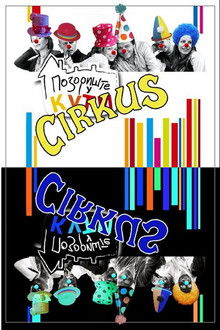
Theater at Home
An updated version of a legendary Yugoslavian 1970s sitcom “Theater at Home”.
Theater at Home
An updated version of a legendary Yugoslavian 1970s sitcom “Theater at Home”.
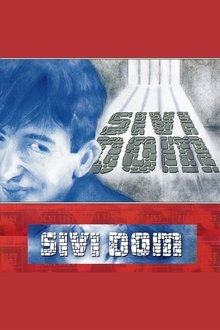
Grey Home
A moving story about the residents of correctional facility, rejected by parents and environment. Going through a strict regimen of life in the home, they are constantly trying to reverse the fate in their favor. Although they were given a chance to change, their actions always return to the beginning. Constantly on the border between personal whims and once-in-a-lifetime opportunity to become humans, they remain as wolves who find hard to change their mood. What finally remains is a perpetual dilemma whether their fate is innate, or is it forced by the communities in which they grew up...
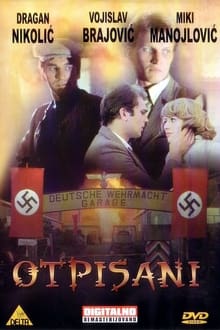
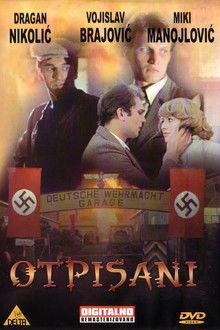
The Written Off
"The Written Off" is a famous Serbian TV miniseries, that was very popular in former Yugoslavia, originally airing in 1974. Due to its popularity, Radio Television of Serbia has shown reruns of the series ten times, the last re-run starting in 2012. The series has achieved something of a cult status among its audience and still attracts an estimated 3 million viewers with its last rerun. Idea of series derives from exploits of freedom fighters in Belgrade during World War II, and all the characters and events are fictitious.
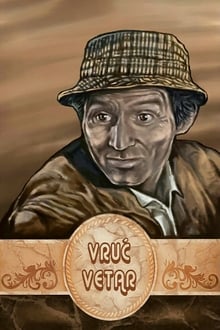
Hot Wind
Vruć vetar is one of the most popular Yugoslav TV miniseries that aired in 1980. The show and movie cut from scenes of the show were popular in neighboring countries-also very popular in Czechoslovakia. Its main theme became very popular and enjoying a bit of a cult status. The story follows Shurda, a man in his 30s, who comes from a small town to Belgrade to get rich. However, as no job is good enough for him, he tries his luck in Germany, but this venture proves to be the same, so he returns to his native Yugoslavia.
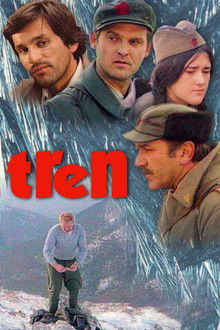
Moment
A young man from the banks of the Ibar River goes to the revolutionary war. It turns out to be one of the key moments that will later leave marks on his life. The war conflict runs along with his intimate, internal conflicts of his own. He feels the need to think as a human being despite the horrors surrounding him. Such is the deeply embedded need of this man - the need for love, understanding and justice.
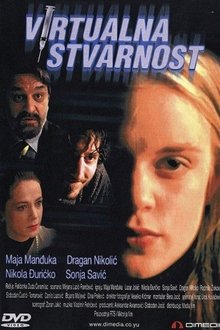
Virtual Reality
A fifteen year old girl Senka, comes from a wealthy family whose parents enroll in an elite school where she meets a drug dealer with whom he falls in love, and so it has hitherto completely unknown world. Senka is a young and inexperienced girl who, unwittingly, in his new world, the world of drug addiction and pulled his best friend.
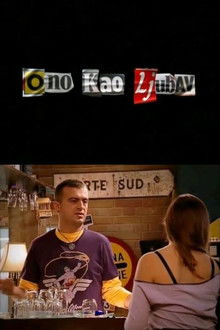
Things Like Love
A sitcom that follows intertwined lives of three couples set mostly in the building in which they live and the café owned by one of these people.

Underground
Black marketeers Marko and Blacky manufacture and sell weapons to the Communist resistance in WWII Belgrade, living the good life along the way. Marko's surreal duplicity propels him up the ranks of the Communist Party, and he eventually abandons Blacky and steals his girlfriend. After a lengthy stay in a below-ground shelter, the couple reemerges during the Yugoslav Civil War of the 1990s as Marko sees the opportunity to exploit the situation.
Miss
Three gangsters smuggle a microfilm with passport data from West Germany to their buyer from Middle East, which happens to be crucial thing for the security of European Community. On their way through Yugoslavia, they try to hide the microfilm in the Miss Universum's purse who pays visit to the country at its national beauty contest. The problems arise when the microfilm accidentally finds itself in the possession of one of the competitors, unbeknown-st to her. The criminals try to get in possession of the microfilm, however a brave journalist who came because of the contest prevents them of doing so.
The Written Off
Careless lives of few Belgrade youths are shattered when Nazis occupy their town in 1941. Soon they join the resistance movement and their activities bring their names to Gestapo's termination list. This movie inspired the series that would get cult status in former Yugoslavia.