Personal Info
Known For
Gender
Birthday
Place of Birth
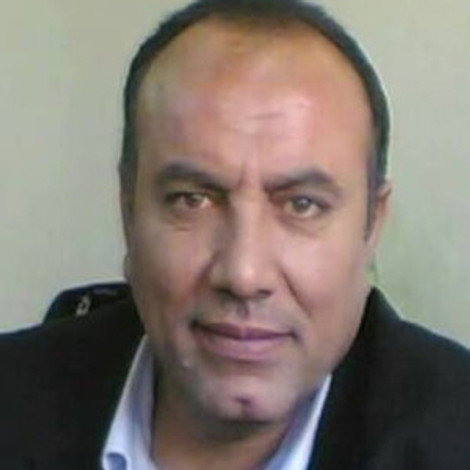
Mohammad Khawandi
Known for
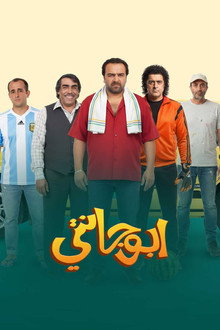
Abu Janti (King of taxi/ King of lancer)
Abu Janti — self-proclaimed "King of the Lancer" — is a Damascus taxi driver whose cab doubles as a confessional, comedy club and social mirror. Each episode brings a new passenger with a new story, and Abu Janti can't help but get involved. Written by and starring Samer El Masri, born from a beloved sketch on Spotlight (2003), this Syrian black comedy uses the taxi as a window into everyday Damascus life — funny, sharp and occasionally heartbreaking.
AlMazar neighborhood
The Syrian series *Hay Al-Mazar* unfolds within a social framework that reflects the daily lives of the residents of Hay Al-Mazar. It explores various humanitarian and social issues, including family relationships, class struggles, and the challenges faced by characters in a rapidly changing environment.

As'ad AlWarrak
During the period of the French occupation of Syria, the events of the series revolve around As'ad AlWarraq, an orphan, illiterate, poor young man who is pushed by circumstances between various paradoxes, between false accusations and the injustice of his neighborhood people towards him.

Roses in salty soil
The life and suffering of seven girlfriends in our modern society, as each has her own demands and hopes, from searching for work, to achieving self-fulfillment, human dignity, and balanced living psychologically and socially.

A Hero From This Time
The series revolves around a poor man who wants to get rich. As he has a dream that he has found a treasure, his social status changes as he goes out every night to abandoned areas and begins digging and goes home by day to rest.
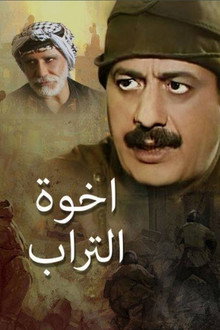
Brothers of the Soil
The series revolves around the Arab Revolt that broke out in Syria against the Ottoman occupation that had ruled the country for four centuries.

Lost village
Tucked away in the Syrian mountains, the fictional village of Umm al-Tanafs al-Fawqa has been completely bypassed by modern technology — and its simple, warm-hearted residents have no idea what they're missing. Each episode follows their hilarious attempts to navigate life's big and small dramas with nothing but common sense, stubbornness and each other. A gentle, sharp satire that uses village innocence as a mirror for modern society's complications — described by many viewers as the greatest Arab comedy ever made.

The End of a Brave Man
Mufid the monster, the naughty teenager, did not find anyone who knew how to deal with him properly, so he did not discover anyone around him and develop the good qualities that Mufid was distinguished for. The society in which he lived, starting from the harsh father at home, to the ignorant and arrogant teacher at school, to the mukhtar who punished him for cutting off the tail of Abboud's donkey... All of these were the cause of Mufid's loss and his premature end. As a result of this treatment, Mufeed could not bear to stay even for a single minute in the farm, so he ran away and decided never to return to this farm that caused him pain and persecuted him.

My Family's House
تدور أحداث المسلسل في فترة الأربعينيات من القرن الماضي حول صراع محتدم ينشأ بعد خروج (نوري) من السجن وتمركزه في حارة دمشقية تشهد اغتيال الطبيب ذائع الصيت "عبد الرحمن الشهبندر" واختفاء أحد وجهاء الحارة، حيث يحاول "نوري" كشف الألغاز وسط صراعات على النفوذ والطمع والحب. Set in the 1940s, the series revolves around a fierce conflict that erupts after Nuri is released from prison and settles in a Damascene neighborhood where the renowned doctor “Abdul Rahman al-Shahbandar” is assassinated and the disappearance of one of the neighborhood’s prominent figures. “Nouri” attempts to unravel these mysteries amid conflicts over power, greed, and love.

Forgiveness
Fadeela tries to move on after the death of her husband and son in an accident, while Amjad, her son, tries to help her. Amjad meets by chance his childhood sweetheart, Azza, in his new job. A love story between Azza and Amjad, whose hopes and efforts are united to make a happy family. But their love faces unexpected obstacles which turns into an inescapable parting story.
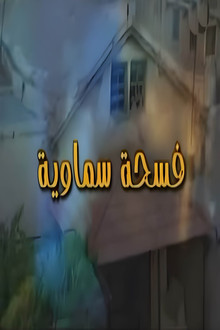
Heavenly Space
The series revolves around a group of people who each live alone in rented rooms on two separate floors of an old Arab house, owned by Umm Fawaz (Mona Wasef), a seventy-year-old woman who rents out the downstairs rooms to women and the upstairs rooms to men. Their daily lives intersect within the confines of the space.

Dalila wal-Zaybaq
Dalila wal-Zaybaq (دليلة والزيبق) is a 2011 Syrian historical adventure series set during the Mamluk era, spanning Cairo, Baghdad, and Damascus. At its heart is a gripping battle between good and evil — Dalila, a cunning and ruthless woman who stops at nothing to achieve her goals, and Zaybaq, a brave young hero who rises to confront her wickedness after she kills his father. A lavish reimagining of a beloved classic from Arab folklore, starring Karis Bashar and Wael Sharaf.

Alhaqa'eb
A Syrian family — warm, funny and profoundly ordinary — finds itself facing the impossible choice millions of Syrians faced: stay in a home torn apart by war, or pack up everything and leave. They choose to go. But the road out proves just as punishing as what they left behind, with each episode delivering a new obstacle, a new heartbreak and a new reason to laugh through the tears. From the creator of Lost Village — tragicomedy at its most human.

Chicago Street
An epic love story between a well-to-do blind girl and a rebel, set against a historical background spanning 60 years of conflicts, secrets and intrigue.

Marzouq On All Fronts
In which dramatic events are mixed with funny comedy, the main character "Marzouk" is a man who always cares about the concerns of others and tries to find solutions for them just because he knows that this is one of the duties of the respectable man, as he tries to solve the problems of neighbors and relatives, but he often falls into serious problems because of that, until personal problems occur.