
Personal Info
Known For
Gender
Birthday
Place of Birth
Yvette Etiévant
Biography
Known for
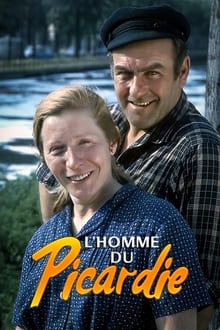
L'Homme du Picardie
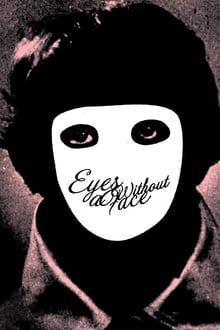
Eyes Without a Face
Dr. Génessier is riddled with guilt after an accident that he caused disfigures the face of his daughter, the once beautiful Christiane, who outsiders believe is dead. Dr. Génessier, along with accomplice and laboratory assistant Louise, kidnaps young women and brings them to the Génessier mansion. After rendering his victims unconscious, Dr. Génessier removes their faces and attempts to graft them on to Christiane's.
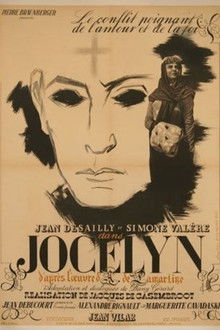
Jocelyn
In 1786, Jocelyn entered the Seminary. He leaves his share of the inheritance to his younger sister Julie. In 1793, on the point of being ordained a priest, the Revolution forced him to take refuge in the Alps. There he meets Laurence, first disguised as a young boy. A great friendship binds them which turns into love when Jocelyn discovers the girl's true identity. Yet faithful to the promise he made to the Superior of his Seminary, Jocelyn will not abandon his faith.
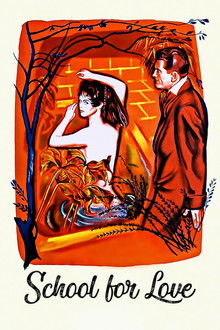
School for Love
Sophie and Elis, two young women at the Conservatory of Vienna. vie for the affection of head singing teacher Walter.
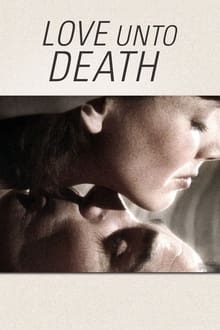
Love Unto Death
Elisabeth and Simon have been deeply in love for two months when Simon momentarily dies, but returns to life. Despite declining further medical tests, the couple are forced to grapple with the possibility of his death. Eventually, they tell their close friends Jérôme and Judith Martignac about the event. The Martignacs are both clerics, and Judith has just been giving a funeral service for a villager who committed suicide, though Jérôme would have nothing to do with suicide...
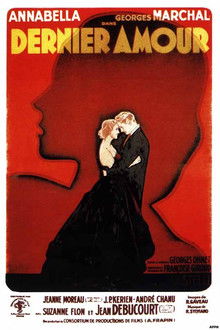
Last Love
Hélène has an affair with Alain for ten years, but does not want to divorce her husband. Alain receives one letter from a girl Michelle one day. Hélène, who is very jealous, receives that letter by chance and interprets it incorrectly.

Les Dames du bois de Boulogne
A love story that follows the maneuverings of a society lady as she connives to initiate a scandalous affair between her aristocratic ex-lover and a prostitute.
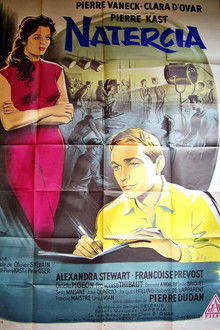
Thank You, Natercia
A wealthy widow, Natercia, helps Alain, a poor young man, to put together the film he plans to make. They decide to pool their resources to make the project a reality. At the first screening, Natercia realizes that Alain no longer needs her.
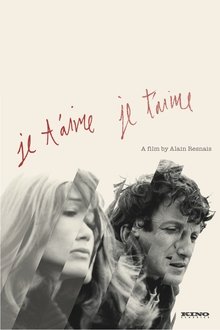
Je T'Aime, Je T'Aime
Recovering from an attempted suicide, a man is selected to participate in a time travel experiment that has only been tested on mice. A malfunction causes the man to experience moments from his past in a random order.
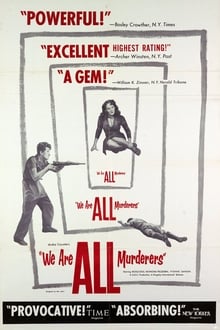
We Are All Murderers
Originally titled Nous Sommes Tout des Assassins, We Are All Murderers was directed by Andre Cayette, a former lawyer who detested France's execution system. Charles Spaak's screenplay makes no attempt to launder the four principal characters (Marcel Mouloudji, Raymond Pellegrin, Antoinine Balpetre, Julien Verdeir): never mind the motivations, these are all hardened murderers. Still, the film condemns the sadistic ritual through which these four men are brought to the guillotine. In France, the policy is to never tell the condemned man when the execution will occur--and then to show up without warning and drag the victim kicking and screaming to his doom, without any opportunity to make peace with himself or his Maker. By the end of this harrowing film, the audience feels as dehumanized as the four "protagonists." We Are All Murderers was roundly roasted by the French law enforcement establishment, but it won a special jury prize at the 1952 Cannes Film Festival.
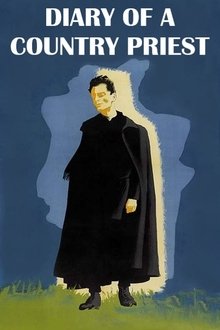
Diary of a Country Priest
An inexperienced, sickly priest shows up in the rural French community of Ambricourt, where he joins the community's clergy. But the locals don't take kindly to the priest, and his ascetic ways and unsociable demeanor make him an outcast. During Bible studies at the nearby girls school, he is continually mocked by his students. Then his attempt to intervene in a family feud backfires into a scandal. His failures, compounded with his declining health, begin to erode his faith.
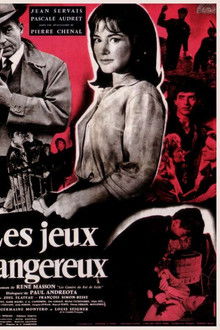
Dangerous Games
Alain is the only son of a wealthy bourgeois couple. He takes violin lessons in Ménilmontant, where he is spotted by Fleur, a poor girl: she is going to kidnap him and demand a ransom from the young man's parents, money which will be used to pay for a good lawyer for her brother accused of killing a policeman.
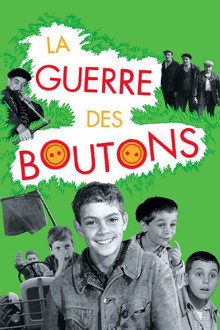
War of the Buttons
For generations, two rival French villages, Longueverne and Velrans, have been at war. But this is no ordinary conflict, for the on-going hostilities are between two armies of young schoolboys. When he is beaten by his father for having lost his buttons, the leader of the Longueverne army, Lebrac, has an idea which will give his side the advantage: next time, he and his brave soldiers will go in battle without their clothes...

Le Bon Plaisir
Claire's handbag is stolen. It contained a letter written ten years previously by the man who is now the French President. In the letter, he urges his pregnant mistress to have an abortion. Claire immediately alerts the President's men. From that moment, the machinery of state swings into action.
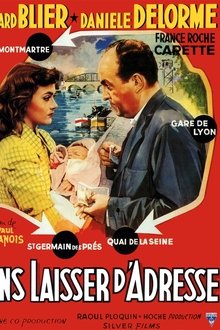
Without Leaving an Address
A woman in Paris hires a taxi driver to locate her ex-lover, father to her newborn child, who left her without leaving an address.