
Personal Info
Known For
Gender
Birthday
Place of Birth
Pina Bausch
Biography
Known for

Bambi
The Bambi, often called the Bambi Award and stylised as BAMBI, is a German award presented annually by Hubert Burda Media to recognize excellence in international media and television to personalities in the media, arts, culture, sports, and other fields "with vision and creativity who affected and inspired the German public that year", both domestic and foreign. First held in 1948, it is the oldest media award in Germany. The trophy is named after Felix Salten's book Bambi, A Life in the Woods and its statuettes are in the shape of the novel's titular fawn character. They were originally made of porcelain until 1958, when the organizers switched to using gold, with the casting done by the art casting workshop of Ernst Strassacker in Süßen.

Talk to Her
Two men share an odd friendship while they care for two women who are both in deep comas.

And the Ship Sails On
In 1914, a cruise ship sets sail from Naples to spread the ashes of beloved opera singer Edmea Tetua near Erimo, the isle of her birth. During the voyage, the eclectic array of passengers discovers a group of Serbian refugees aboard the vessel. Peace and camaraderie abound until the ship is descended upon by an Austrian flagship. The Serbians are forced to board it, but naturally they resist, igniting a skirmish that ends in destruction.
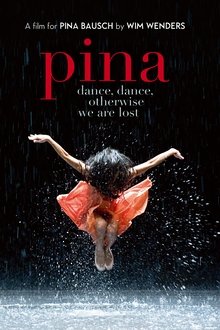
Pina
Pina is a feature-length dance film in 3D with the ensemble of the Tanztheater Wuppertal Pina Bausch, featuring the unique and inspiring art of the great German choreographer, who died in the summer of 2009.
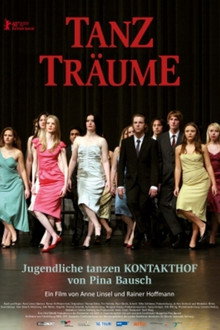
Dancing Dreams
The dance performance “Kontakthof” bears the unmistakable signature of Pina Bausch: it deals with forms of human contact, encounters between the sexes, and the search for love and tenderness, with all its attendant anxieties, yearnings and doubts. It is a dance about feelings, which always pose a big challenge – particularly for young people. Teenagers from more than eleven schools in Wuppertal went on an emotional journey that lasted almost a year. Every Saturday, forty students aged between fourteen and eighteen years of age took part in rehearsals that were led by Bausch-dancers Jo-Ann Endicott and Bénédicte Billiet and intensely supervised by Pina Bausch herself.

Café Müller
Pina Bausch created and performed Café Müller for her dance company Tanztheater Wuppertal. The dance was inspired by and based on her childhood memories of watching her father work at his café in Germany during and immediately following World War II. In this silent style featurette, Bausch shows a restaurant after closing, in which the ghosts of the departed customers stumble blindly into walls and onto chairs but fail to find one another.
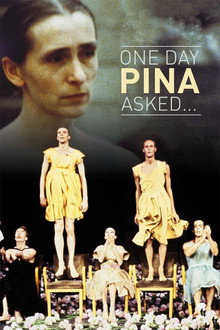
One Day Pina Asked...
Chantal Akerman followed famous Choreographer Pina Bausch and her company of dancers, The Tanzteater Wuppertal, for five weeks while they were on tour in Germany, Italy and France. Her objective was to capture Pina Bausch's unparalleled art not only on stage by behind the scenes.
What Are Pina Bausch and Her Dancers Doing in Wuppertal?
Wuppertal is a drizzly, industrial city on the Rhine and one immediately wonders why Pina Bausch and her avant-garde dance troupe have settled there. A socially engaged documentarian, Wildenhahn is also perplexed by this issue and spends considerable time trying to place Bausch in a context outside of the aesthetic. Still, the dance company's daily life and the excruciating rehearsal and performance schedule is solidly captured. The film begins cleverly: a dance critic offers sagacious comments on ballet dancers finishing their careers at mid-thirty just when, according to Bausch, the "aspects of misery, suffering and fear of death should become an integral part of a dancer's spiritual and psychological make-up." Wildenhahn's camera glides over the dancers' bodies as Bausch leads them through their paces, a consummate teacher. Leaving behind rehearsals of "Bandoneón" and "Walzer," Wildenhahn then ventures out into the streets of Wuppertal searching for the dance of the common people.
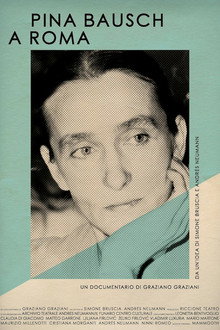
Pina Bausch a Roma
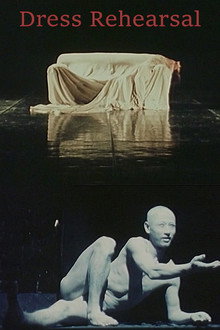
Dress Rehearsal
An exhilarating, essayistic documentary about the 1980 festival of experimental theatre in the French city of Nancy. Werner Schroeter's favourite of his own films.
Lissabon Wuppertal Lisboa
A making-of of Pina Bausch's ballet piece "Masurca Fogo" (1998), for the EXPO 98, from the first workshop in Lisbon until the avant premiere in Wuppertal, Pina Bausch's city, all moments dated on screen. The ballet master presides behind her work desk to the creation of steps by different dancers, as varied a mix as the African, Latin American, Fado and jazz music to which they swirl, representing the spirit of that world event. Not by chance, the camera shows prominently a photo-book on the gypsies close to Pina's ashtray. The ballet's premiere was in Germany, and the documentary's premiere was at the EXPO 98 in Lisbon.