
Personal Info
Known For
Gender
Birthday
Place of Birth
János Derzsi
Biography
Known for
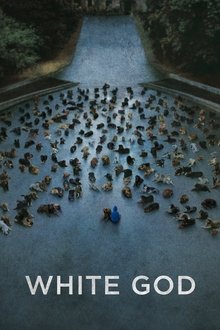
White God
13 year old Lili fights to protect her dog Hagen, and is devastated when her father sets Hagen free on the streets. Still innocently believing love can conquer any difficulty, Lili sets out to save her dog. Failing in his desperate efforts to find his beloved owner, Hagen joins a canine revolt leading a revolution against their human abusers.
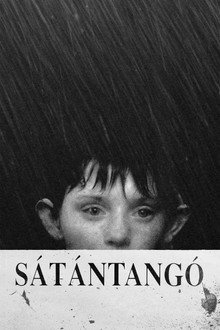
Satantango
Inhabitants of a small village in Hungary deal with the effects of the fall of Communism. The town's source of revenue, a factory, has closed, and the locals, who include a doctor and three couples, await a cash payment offered in the wake of the shuttering. Irimias, a villager thought to be dead, returns and, unbeknownst to the locals, is a police informant. In a scheme, he persuades the villagers to form a commune with him.
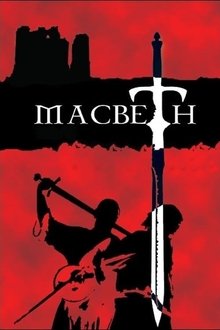
Macbeth
Consistent of only two long shots, three witches predict that Macbeth will ascend to the throne of Scotland. To fulfill this prophecy, Lady Macbeth convinces her husband to murder King Duncan, who has come to spend the night at their home. This crime plunges the new ruler into a macabre spiral that will lead him to sink into guilt and madness.
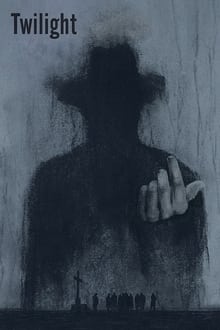
Twilight
In the dense and murky woodlands of provincial Hungary, the search for a child murderer drags a once-respected detective into an all-consuming obsession enshrouded by irresolution and despair, even long after he has been taken off the case. What emerges is not a crime story, but a harrowing venture through the darkness of the human soul.
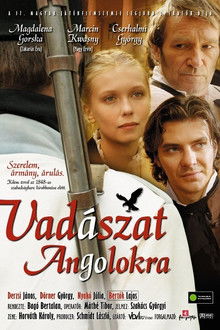
Hunting for Englishmen
1839. The discontented noblemen assemble at the country estate of count Gábor Falussy, on the pretext of a boar hunt. Also an English engineer arrives for the sake of constructing the railway line leading up to the count’s quarry.
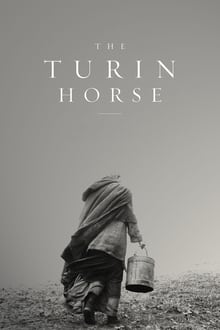
The Turin Horse
A look at the monotonous daily struggle of a father and daughter in a windswept, desolate landscape. Over six days, their routine of eating boiled potatoes and tending a failing horse crumbles, symbolizing a slow descent into darkness, emptiness, and the end of existence.
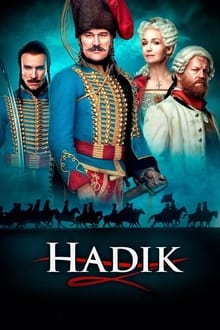
Hadik
During the Seven Years War, Austrian Queen Maria Theresa sends her best general, András Hadik and his Hussars to raid Berlin and humiliate the Prussian King, Frederick the Great.
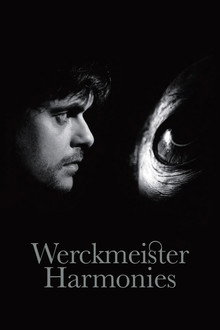
Werckmeister Harmonies
A naive young man witnesses an escalation of violence in his small hometown following the arrival of a mysterious circus attraction.
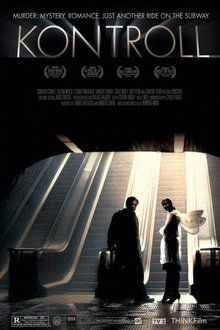
Kontroll
A subway enforcement officer working in the oppressively gray Budapest metro gets a chance at love — but first he needs to find out why passengers are jumping — or being pushed — to their deaths onto the tracks.

Temptations
Directed, written, and co-produced by Zoltan Kamondi), Kisertesek ("Temptations") illustrates the struggle between ancient traditions and the modern world of restless young Marci (Marcell Miklos), a fatherless young man who is considered somewhat of an outcast within the community.
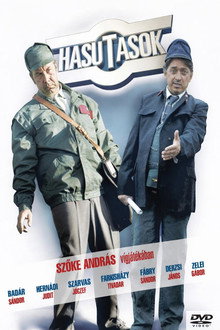
Hasutasok
Four good old friends - all railwaymen until the change of regime - will be the victims of the cutbacks. Many years later, when the old station has been removed by thieves, the former stationmaster of Honos village, Lajos Zsuzsa, receives a notice from the town to go to the station office. Lajos Zsuzsa, in order to get the four friends occasionally back to work, lies that the station still exists and that they are able to carry out their duties.
Whoops
Ede (Dezso Garas) is in his sixties, and he is full of uncertainty about how he and his wife Kati (Mari Torocsik) will fare in the new post-communist regime in Hungary. At least before, he had some idea what he needed to do to get by, and even if he never made much money with his myriad schemes, they got by. Kati has got a real bug in her ear about their livelihood, and is hounding him to get into the spirit of the new system. This is troubling enough for the old gent, but when he runs into an old mistress (Kati Lazar) and discovers that he has a grown son he has never met or knew about, his life becomes even more confusing. His slimy ex big-shot brother-in-law (Istvan Avar) is a major player in the new entrepeneurial risk-taking, and he beseiges poor Ede with advice as well. In this topical comedy, all these worrisome things, and more, come to a head at a big family celebrtion.
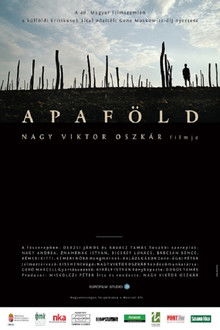
Father's Acre
Love makes a bad relationship between father and son all the more rancorous in this drama from Hungarian director Viktor Oszkar Nagy. A convict (Janos Derzsi) returns home after a long stretch in prison to a less than enthusiastic welcome; his son (Tamas Ravasz), now in his late teens, was left to fend for himself and tend the family farm on his own after his dad went away, and the youngster blames his father for his mother's untimely death. The father wants to mend his relationship with his son, but the young man makes no secret of his contempt for his dad, and only grudgingly allows him back on the farm.
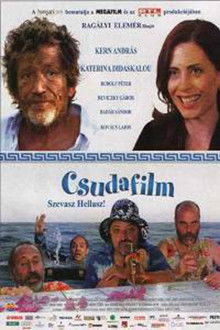
Csudafilm
A disowned son of a Greek aristocrat arrives in Hungary in 1949 over his family’s communist beliefs and starts work in the Lágymányos tobacco factory, where he falls for Gizi Weiss and fathers their first child in 1953. Fifty years later, the now-destitute “Ratkó baby” is whisked from the Baross Square underpass to Crete by a legion of lawyers to claim his share of a legendary inheritance.
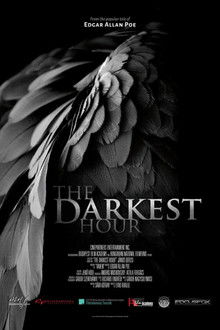
The Darkest Hour
A writer in self-exile is haunted by the memory of his long-lost love. Mysterious events and an unexpected visitor are about to offer him a chance to relieve his pain. Based on the famous poem of Edgar Allan Poe: The Raven.