
Personal Info
Known For
Gender
Birthday
Place of Birth
Mireille Metellus
Known for

ER
ER explores the inner workings of an urban teaching hospital and the critical issues faced by the dedicated physicians and staff of its overburdened emergency room.

Tout le monde en parle
Host Guy A. Lepage brings together six to eight personalities from different milieus—sports, politics, stage productions and more—that are the subject of everyone’s conversations and/or are important figures in recent events. Participants are invited to speak freely, voicing their opinions on headline news or on a subject that is near and dear to them.

Un gars, une fille
Un gars, une fille is the title of a Quebec comedy television series created by Guy A. Lepage and broadcast on Radio-Canada, as well as the title of its French adaptation on France 2. It is one of the most successful Quebec television shows, with a concept exported to more than thirty markets around the world. It is the first Québécois television program to be adapted in the United States.

La candidate
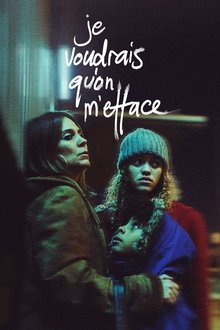
Wipe me away
Montreal, Quebec. An apartment building facing the highway. Three rough childhoods collide. Melissa, Eddy and Karine live in the same building and from a young age, they have to deal with an environment that crushes grown-ups. In order to improve traffic, we tell them that their home is set to be demolished in the following months.
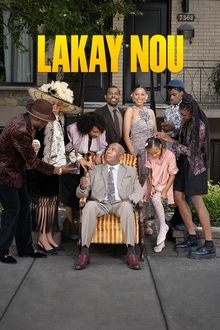
Lakay nou
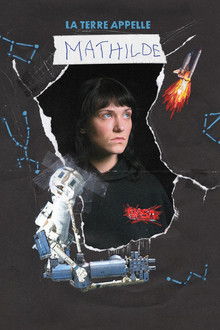
La Terre appelle Mathilde

Dogs Day
As a dizzying heat wave hits Montreal and throws the city into a state of general torpor, the residents of the Saint-Henri neighborhood fall prey to events that reason cannot explain.

On the Verge of a Fever

The Last Meal
Reynold is dying of cancer. He uses his last meals to share them with his daughter. As the meal progresses, a ritual begins to take hold, the dishes acting as reminders of the past. Vanessa discovers who her father really is.
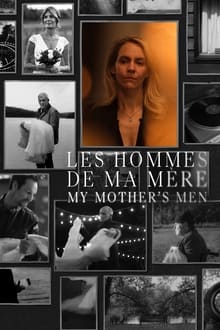
My Mother's Men
Young Elsie is shocked to learn that her eccentric mother wanted her ashes to be scattered among her five ex-husbands. Elsie is adamant about carrying out her mother's wishes, but the trip fundamentally alters her course.
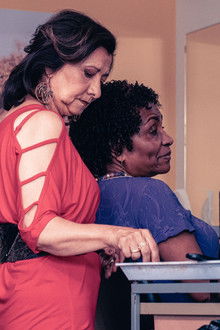
My Happiest Days
Marjorie, a Haitian woman in her sixties on the cusp of retirement, leaves her husband and forges new friendships to brave a new life in a world where women like her are invisible. With her daughter imploring her to stay, her husband attempting to win her back and friends encouraging her to spread her wings, Marjorie seeks to regain her independence and discover who she really is.
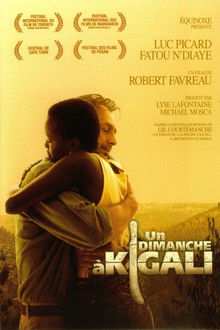
A Sunday in Kigali
In April 1994, the middle-aged Canadian journalist Bernard Valcourt is making a documentary in Kigali about AIDS. He secretly falls in love for the Tutsi waitress of his hotel Gentille, who is younger than him, in a period of violent racial conflicts. When the genocide of the Tutsis by the Hutus in Rwanda begins, Bernard does not succeed in escaping with Gentille to Canada. When the genocide finishes in July 1994, Bernard returns to the chaotic Kigali seeking out Gentille in the middle of destruction and dead bodies.
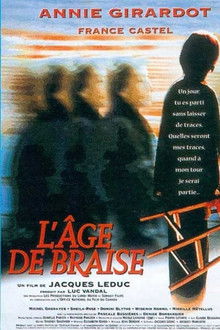
When I Will Be Gone...
Jacques Leduc directed and co-scripted (with Jacques Marcotte) this Canadian-French co-production, a drama about an aging Montreal woman, Caroline (Annie Girardot), in her 60s and contemplating impending death. She destroys old correspondence, cleans her apartment by putting furniture in the street, and looks back on her life (as revealed via flashbacks and a film crew interviewing her daughters). Caroline's brief marriage to an Englishman gave her one daughter, successful businesswoman Rachel (Domini Blythe), and an affair with a rebel in the Congo resulted in her other daughter Myriam (Sheila Rose). Further memories rise to the surface when Caroline joins her long-time friend Maureen (France Castel) for a black-tie reception where their community work in Africa brings them an Order of Canada award.